Most diners do not think about the person behind the counter when they sit down for sushi. They think about the menu, the fish, the rolls they want to order. But the sushi chef is the single variable that determines whether every other element on the plate reaches its potential or falls short of it.
The training that produces a skilled sushi chef is one of the longest and most demanding in the culinary world. Understanding what goes into that process changes the way you experience what arrives on your plate.
The Length of Formal Sushi Training
In traditional Japanese culinary culture, becoming a sushi chef is not a matter of months. The formal apprenticeship model that has governed sushi training for generations is structured around years of progressive learning, with each stage building on the last before the next is permitted.
Traditional sushi apprenticeships in Japan can span anywhere from five to ten years before a chef is considered ready to work independently. The first stage of that process often involves no fish at all. Apprentices spend months learning to prepare rice, observing the kitchen, and developing the foundational habits of cleanliness, precision, and patience that underpin every other skill that follows.
This extended timeline is not tradition for its own sake. It reflects a genuine understanding that the techniques involved in great sushi cannot be rushed without consequence. A sushi chef who has compressed that learning produces work that reflects the compression. The plate tells the story.
Rice Before Everything Else
The centrality of rice to sushi training is something that surprises most people outside the profession. Before a sushi chef ever handles fish in a professional context, they are expected to master rice preparation to a standard that most diners would find extraordinarily demanding.
Sushi rice must be cooked to a precise texture, seasoned with a specific ratio of rice vinegar, sugar, and salt that varies by region and by chef, and cooled to an exact temperature before use. The cooling process itself requires technique. The rice must be fanned while being folded to achieve the right texture and sheen without becoming sticky or breaking apart.
This level of attention to a single ingredient is what separates the foundation of great sushi from everything built on top of it. As explored in our post on what sets great sushi rolls apart from forgettable ones, the rice is ultimately the element that either elevates or undermines everything else on the plate. A sushi chef who has spent years perfecting rice preparation brings a standard to the table that is immediately perceptible, even if the diner cannot articulate exactly why.
Knife Skills as a Discipline
The knife work of a sushi chef is not simply a technical skill. It is a discipline developed over years of daily repetition and constant refinement. Japanese culinary knives, particularly the yanagiba used for slicing fish, are single-bevel blades that require a fundamentally different technique than the double-bevel knives used in most Western kitchens.
Learning to use a yanagiba correctly means learning to draw the blade through fish in a single, clean motion without applying downward pressure. It means learning to read the grain of different fish and adjust the angle and direction of the cut accordingly. It means maintaining a blade at a specific sharpness and understanding how to restore that sharpness through daily maintenance on a whetstone.
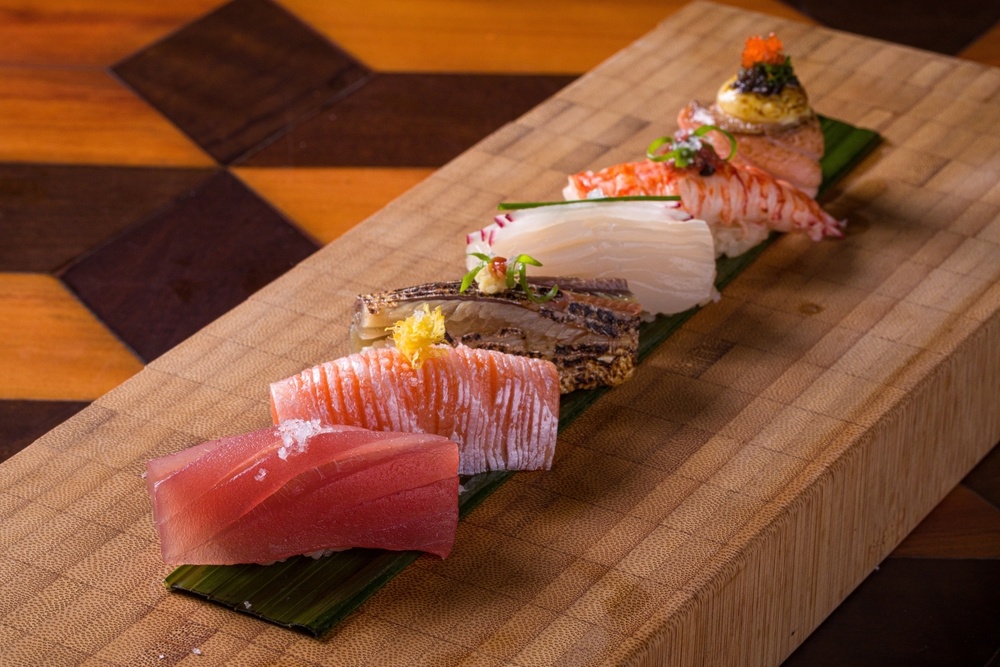
A sushi chef who has internalized this discipline produces cuts that are visibly different from those made by someone who has not. The edges are cleaner, the thickness is more consistent, and the fish holds its shape on the plate in a way that less practiced work does not. These are not subtle differences. They are visible from across the table.
Understanding Fish at a Foundational Level
A skilled sushi chef does not simply slice fish. They understand fish at a level that allows them to assess quality, identify freshness, select the right cut for the right preparation, and recognize when a particular piece of fish is at its peak versus when it has passed it.
This knowledge is built through years of daily handling of multiple species across varying conditions. A sushi chef who has worked through an extended apprenticeship has handled enough fish across enough seasons to develop an intuitive understanding of what they are working with that cannot be acquired quickly.
That understanding directly affects what reaches the table. A sushi chef who can accurately assess the quality of the fish they are working with brings that judgment to every plate, which means the diner benefits from decisions made before the knife is ever picked up.
The Standard Behind the Counter
When you sit down at a sushi counter and watch a chef work, you are watching the visible result of years of accumulated discipline. The economy of movement, the consistency of each cut, the speed with which rice is shaped without losing its texture, the way toppings are placed with care rather than dropped, all of it reflects the investment that went into the training behind it.
This is why the sushi chef is not incidental to the experience. They are the experience. Every element of what arrives on the plate passes through their hands and through the standards they have developed over time. Understanding that makes the act of eating sushi something more than consuming food. It makes it an encounter with craft.
For a closer look at how that craft expresses itself visually before the first bite, our post on sushi presentation and what a well-plated dish communicates covers the signals worth paying attention to at the table.
FAQs
How long does it take to become a sushi chef?
Traditional sushi apprenticeships in Japan typically span five to ten years. The process begins with foundational skills like rice preparation and knife maintenance before progressing to fish handling and full plate construction. Modern culinary programs can accelerate parts of this timeline, but the core techniques still require years of consistent practice.
Why do sushi chefs spend so much time on rice preparation?
Rice is the foundation of every sushi preparation. Its texture, seasoning, and temperature directly affect every other element on the plate. A sushi chef who has mastered rice preparation brings a standard to the table that elevates everything built on top of it. It is treated as the most important skill precisely because it affects everything else.
What knife does a sushi chef use to slice fish?
The yanagiba is the primary knife used by a sushi chef for slicing raw fish. It is a long, single-bevel blade designed to draw through fish in a single clean motion without tearing the flesh. Maintaining the yanagiba at the correct sharpness through daily whetstone work is itself a core skill of the profession.
How can I tell if a sushi chef is highly skilled?
The most accessible signals are consistency of cut thickness across pieces, cleanliness of the edges on sliced fish, uniformity of rice portions, economy of movement behind the counter, and the visual quality of the finished plate. These are observable without any technical background.
Does a sushi chef's training affect the taste of the food?
Yes, directly. The techniques developed through years of training affect rice texture, fish quality assessment, cut precision, and plate construction. Each of these variables influences flavor, texture, and the overall eating experience. A sushi chef with deep training produces work that is perceptibly different from one without it.
Craft Is the Ingredient You Cannot See on the Menu
The training behind a great sushi chef does not appear as a line item on the menu. It shows up in the texture of the rice, the cleanliness of every cut, and the quiet confidence with which each plate is assembled and sent out. Recognizing that investment makes the experience of eating thoughtfully prepared sushi something more than a meal.
If you are looking for the kind of sushi experience that reflects genuine craft and care, explore what a sushi restaurant committed to quality and expertise looks like, and come see it for yourself.
Disclaimer
Menu items and availability may vary. Please inform your server of any dietary restrictions or allergies before ordering.