The phrase sashimi grade appears on menus, grocery labels, and restaurant descriptions with enough frequency that most diners assume it carries a clear, regulated meaning. It does not, at least not in the way most people expect.
Understanding what sashimi grade actually refers to, where the term comes from, and what it tells you and does not tell you about the fish on your plate is one of the most practically useful things a regular sashimi diner can know.
The Term Has No Official Legal Definition
This is the most important thing to understand about sashimi grade: in the United States, there is no federally regulated standard that defines the term. Unlike USDA grades for beef, which are assigned through an official inspection process, sashimi grade or sushi grade is not a designation overseen by any government body. Any supplier or restaurant can use the term without meeting a specific set of criteria.
What the term generally signals in practice is that the fish has been handled in a way that makes it suitable for raw consumption, with particular attention to parasite reduction. But how that handling is carried out, and to what standard, varies between suppliers.
This does not mean the term is meaningless. It means it requires interpretation rather than blind trust.
What the FDA Actually Requires
While sashimi grade has no legal definition, the FDA does provide guidelines on how fish intended for raw consumption should be handled. The core requirement is a parasite destruction guarantee, which is typically achieved through a specific freezing protocol.
FDA guidelines for raw fish specify that fish served raw should be frozen to minus four degrees Fahrenheit for a minimum of seven days, or to minus thirty-one degrees Fahrenheit until solid and stored at minus four degrees for at least twenty-four hours. This process is designed to destroy parasites that may be present in certain species of fish.
It is worth noting that not all fish carry the same parasite risk. Tuna, for example, is generally considered lower risk than salmon or certain freshwater species. Some high-end sushi and sashimi restaurants use fish so fresh that it has never been frozen, a practice that carries a higher risk profile and is legal in some states under specific conditions.
Understanding this distinction matters because it separates food safety compliance, which is about parasite reduction, from freshness and flavor quality, which are about sourcing and handling practices that go well beyond a freezing protocol.
Sashimi Grade vs. Fresh: Understanding the Difference
A fish can be sashimi grade without being particularly fresh, and a very fresh fish may or may not meet the parasite reduction standards required for raw consumption. These are two different axes of quality that are often conflated.
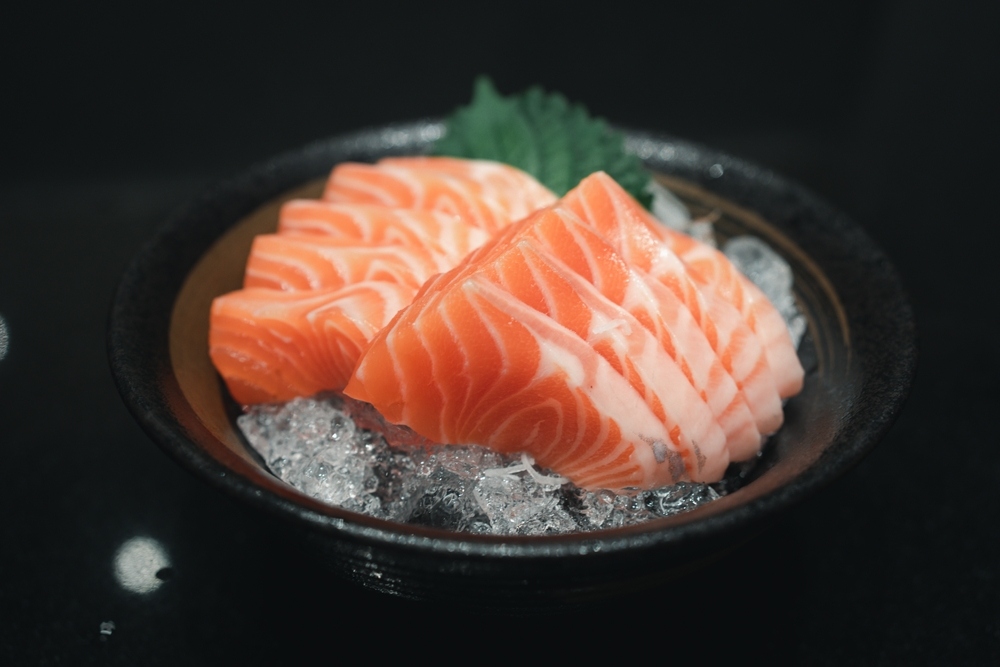
Freshness in the context of sashimi refers to how recently the fish was caught, how it was handled after catching, and how long it has been since it was processed. A fresh piece of sashimi has vibrant color, a clean ocean scent, firm texture, and clean edges when sliced. As covered in our post on underrated sashimi cuts every diner should try, different fish species express freshness differently, but the underlying signals are consistent.
Sashimi grade refers to the food safety handling standard applied to the fish. A piece of fish can have been properly frozen for parasite reduction and still be days away from peak freshness. These qualities can coexist or diverge, and a kitchen that takes sourcing seriously attends to both.
How Reputable Kitchens Source Sashimi Fish
The difference between sashimi served at a kitchen that takes sourcing seriously and one that does not is most apparent in the details surrounding the supply chain. Reputable kitchens typically work with established fish suppliers who specialize in seafood intended for raw consumption and who can provide documentation of their handling and storage practices.
Key sourcing considerations include:
Species selection: Some species are more suitable for raw consumption than others due to their natural fat content, texture, and parasite risk profile. A kitchen that understands sashimi sourcing selects species accordingly.
Cold chain integrity: From the moment fish leaves the water to the moment it reaches the kitchen, temperature must be maintained within a specific range. Any break in that cold chain, even brief, can accelerate bacterial growth and degradation. Proper cold chain management is a non-negotiable element of responsible sashimi sourcing.
Turnover rate: A kitchen that serves a high volume of sashimi is more likely to have high fish turnover, which means the fish on your plate is less likely to have been sitting in storage for an extended period. Low turnover is a risk factor for both freshness and safety.
Daily sourcing: The best sashimi kitchens source fish daily or on a schedule that matches their service volume. Fish purchased in large quantities to reduce cost but served over an extended period is a quality compromise that shows up clearly on the plate.
What to Look for as a Diner
As a diner, you cannot audit a kitchen’s supply chain from the table. But there are signals available to you that indicate whether sashimi grade standards are being taken seriously.
Visual quality of the fish: Vibrant color, clean edges on the cut surface, firm and moist flesh, and no strong odor are the most accessible freshness indicators. These are signs the kitchen is working with quality fish and handling it well.
Menu specificity: Kitchens that take sourcing seriously often name the specific species on the menu rather than using generic terms. A menu that lists yellowfin tuna, Atlantic salmon, or day-boat scallop is communicating a different level of sourcing attention than one that simply says tuna or fish of the day.
Knife work and presentation: As covered in our post on what the sashimi knife cut tells you about the chef, the precision of the cut is a reliable signal of overall kitchen discipline, including the care applied to sourcing and storage.
Willingness to answer questions: A kitchen confident in its sourcing will not hesitate to answer questions about where the fish comes from, how it is handled, or what the daily catch includes. Evasiveness on these points is itself informative.
FAQs
Is sashimi grade fish regulated by the government?
In the United States, sashimi grade is not a federally regulated designation. There is no government body that certifies fish as sashimi grade. The term generally indicates that the fish has been handled with raw consumption in mind, but standards vary between suppliers.
Does sashimi grade fish have to be frozen?
FDA guidelines recommend specific freezing protocols for fish intended for raw consumption to reduce parasite risk. However, these are guidelines rather than laws enforced at the restaurant level in all states. Some high-end kitchens use extremely fresh never-frozen fish under specific conditions, which carries a different risk profile.
How can I tell if sashimi is fresh at a restaurant?
Fresh sashimi has vibrant, consistent color with no greyish edges, a clean mild ocean scent rather than a strong fishy smell, and firm moist flesh. Clean knife cuts and thoughtful presentation are also reliable signals of a kitchen working with high-quality, well-handled fish.
Why does sourcing matter beyond food safety compliance?
Food safety compliance addresses parasite risk through freezing protocols. Sourcing quality determines freshness, flavor, and the overall eating experience. A piece of fish can meet the minimum safety standard while being well past its flavor peak. Reputable kitchens attend to both dimensions.
Is all raw fish at sushi restaurants sashimi grade?
Not necessarily. The term is used inconsistently across the industry. Asking the kitchen directly about their sourcing practices and handling standards is the most reliable way to assess the quality of what you are ordering.
Grade Is a Starting Point, Not a Guarantee
Sashimi grade tells you something about how a piece of fish was handled. It does not tell you everything about its freshness, its sourcing integrity, or the care applied to it from ocean to plate. The term is a useful starting point for evaluation but not a substitute for paying attention to what is actually on the plate in front of you.
Kitchens that take sashimi sourcing seriously make that commitment visible in the quality of what they serve. To experience what that standard looks and tastes like in person, explore what a sushi restaurant focused on hand-selected fish and genuine craft has to offer.