- July 19, 2026
- 8 min read
SUSHI
Table of Contents
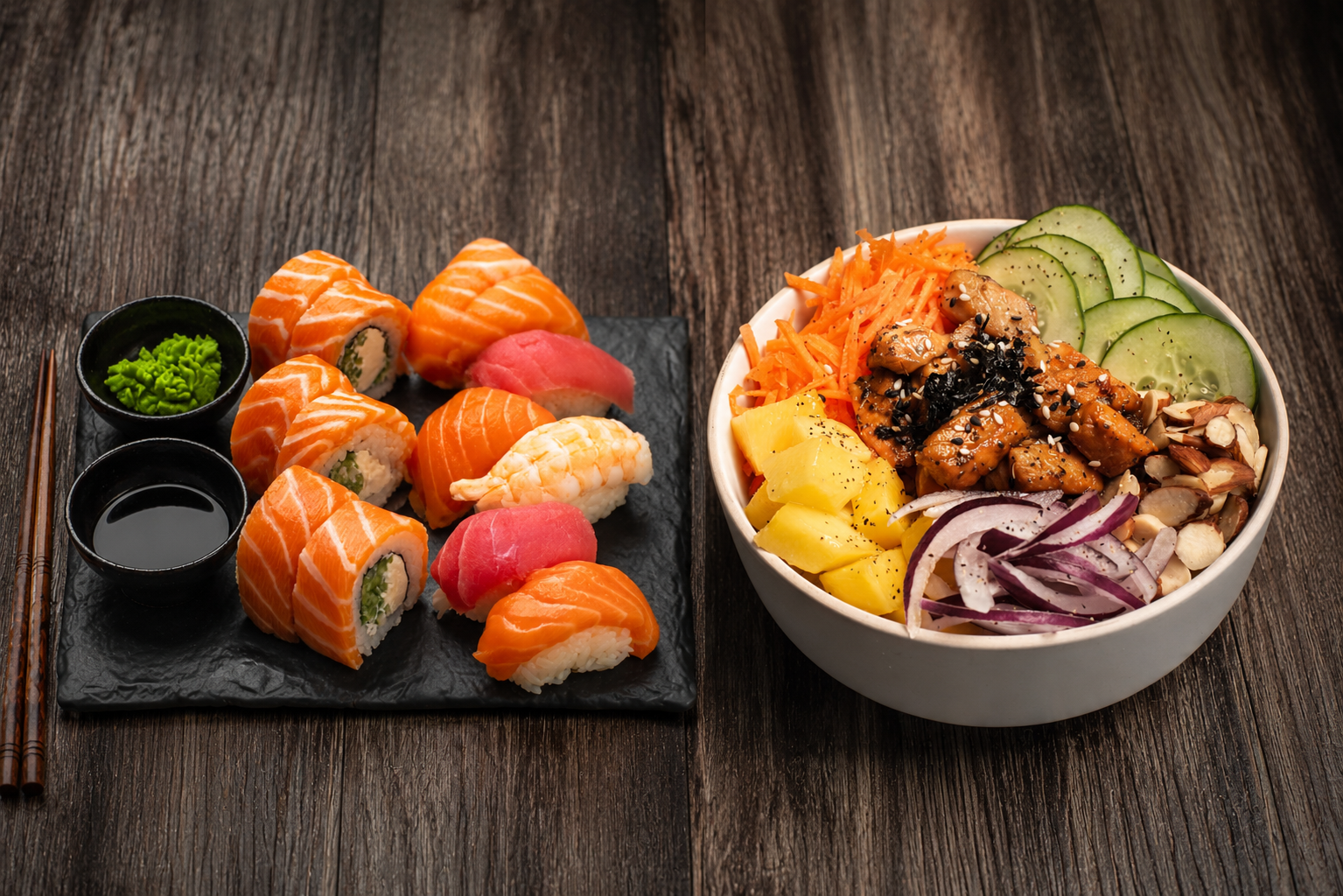
Most diners default to one of two dishes when they want raw fish: a sushi roll or a poke bowl. The two get lumped together constantly, ordered from the same refrigerator case, and compared as if they are variations of the same idea. Sushi vs poke comes up so often because of that overlap, when the reality is closer to two separate food traditions that happen to share an ingredient.
This guide covers where each dish comes from, what separates them structurally, how they compare nutritionally, and how to decide between them, whether you’re building an order off a full Japanese menu or comparing the two side by side.
1. Why Sushi and Poke Keep Getting Compared
Sushi vs poke is one of the most common food comparisons people search for. Both dishes are built around raw fish, both trace back to island food cultures, and both show up on the same restaurant menus and grocery store refrigerator cases.
The similarities stop at the ingredient list, though. Sushi and poke developed independently and follow different construction methods. Understanding sushi vs poke means looking at the rice, the temperature, the fish cut, and how each dish comes together, rather than assuming shared ingredients mean a shared identity.
2. What Makes a Dish Sushi
The defining feature of sushi is not raw fish but vinegared rice. The word “sushi” refers specifically to that rice, seasoned with rice vinegar, sugar, and salt while still warm from cooking. Everything else built around it, whether a slice of tuna, a strip of cooked eel, or a piece of avocado, is secondary to the rice itself.
That structure shows up in every sushi format:
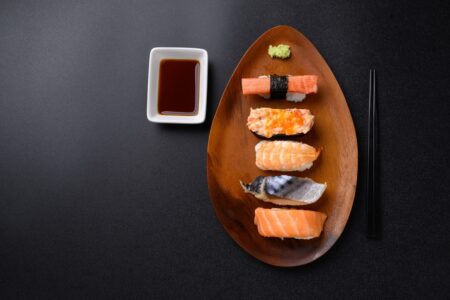
- Nigiri: a hand-formed mound of rice topped with a single slice of fish.
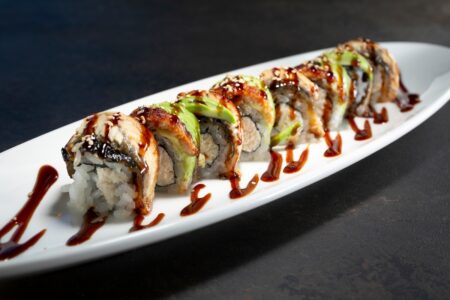
- Maki: rice and fillings rolled inside a sheet of nori and sliced into pieces.
- Temaki: the same components hand-rolled into a cone shape.
In each case, the rice is served at room temperature, since chilling it dulls both the texture and the flavor the vinegar seasoning is meant to create.
Because the rice carries the definition, a sushi roll does not need raw fish to qualify. Shrimp tempura, crab, egg, and cucumber all appear regularly in sushi without changing what the dish technically is. The format traces back centuries in Japan, starting as a method for preserving fish inside fermented rice long before anyone served it fresh. The hand-formed nigiri style most people picture today did not become common until the 1800s.
3. What Makes a Dish Poke
Poke works from the opposite direction. It began in Hawaii as a way for fishermen to season the trimmings from their daily catch: raw fish cubed and tossed with whatever was on hand, most often sea salt, seaweed, and crushed candlenut. Modern versions typically swap in soy sauce and sesame oil, but the basic method has not changed. Fish is cut into cubes and mixed directly with a marinade.
Rice is optional in poke, and when it appears, it is plain and unseasoned rather than vinegared. The bowl functions as a base rather than a defining component, and it is just as common to see poke served over greens or with no base at all. Toppings tend to be layered on top rather than folded in, which keeps each element distinct instead of blended into a single seasoned mixture.
Temperature is another split. Poke is served cold, closer in spirit to a chilled salad than to a warm, hand-formed piece of sushi. A single bowl can also be assembled for one person in a few minutes, which is part of why it took off in fast-casual restaurants that let diners choose their own base, fish, and toppings in sequence. Sushi generally requires more hands-on preparation per piece.
4. Sushi vs Poke: The Core Structural Differences
Sushi vs poke ultimately comes down to four consistent factors: the rice, the temperature, the fish cut, and how the dish is assembled.
- Rice preparation: Sushi rice is vinegared and functions as the base of the dish. Poke rice, if present, is plain and treated as a side.
- Temperature: Sushi is served at or near room temperature. Poke is served cold.
- Fish cut: Sushi fish is sliced thin for nigiri or shaped to fit inside a roll. Poke fish is cubed, which changes how the marinade coats each piece.
- Assembly: Sushi is built piece by piece, often by hand. Poke is tossed together the way a salad would be.
Once these four factors are laid out side by side, the comparison stops feeling like a matter of opinion and starts feeling like a matter of definition. A sushi roll delivers a consistent, layered bite every time, since each piece is built the same way. A poke bowl delivers more variation from bite to bite, since the marinade and toppings settle unevenly through the mix. Sushi is built around balance and repetition, while poke is built around bold, direct flavor with far less structure involved.
5. Protein, Calories, and Nutritional Differences
Because sushi vs poke depends heavily on portion size and toppings, there is no single answer to which dish is “healthier,” though a few patterns hold up consistently.
Poke bowls generally carry a larger raw portion of fish relative to rice, since the base is often smaller or skipped entirely. That typically means more protein coming directly from the fish itself. According to the Harvard T.H. Chan School of Public Health’s Nutrition Source, fish delivers high-quality protein along with beneficial fats, without the saturated fat load that comes with many red meat sources, a benefit that applies to the fish in both dishes equally.
Sushi rolls with fried tempura, cream cheese, or heavy sauce can carry noticeably more calories than a simple poke bowl. Plainer sushi orders, such as nigiri or a roll with minimal sauce, land much closer to poke nutritionally, since the fish itself is doing most of the work in both cases. Readers curious about how sushi fits into a broader eating pattern can look at our guide on whether sushi is a healthy option, which breaks down mercury levels and portion guidance in more detail.
6. Raw Fish Safety Standards for Both Dishes
Because both dishes commonly use raw fish, the same food safety standards apply regardless of which one ends up on your plate. Fish intended for raw consumption needs to be sourced and, in most cases, frozen to standards designed to reduce parasite risk.
According to the FDA’s guidance on selecting and serving fresh and frozen seafood safely, raw or undercooked seafood carries inherent food safety risks, and proper sourcing, storage, and handling bring that risk down to a safe level for most healthy adults. That standard holds whether the fish is sliced thin for nigiri or cubed for a poke bowl.
A few signs apply to both dishes when evaluating quality:
- The fish should have a clean, mild smell rather than a strong or sour odor.
- Reputable restaurants source fish labeled specifically for raw consumption, often described as sushi-grade or sashimi-grade.
- Anyone who is pregnant, elderly, immunocompromised, or managing certain health conditions should consult a healthcare provider before eating raw seafood of any kind.
Cooked versions of both dishes exist for anyone who prefers to skip raw fish altogether, which removes these concerns entirely.
7. Frequently Asked Questions
Is poke a type of sushi?
No. Poke skips the vinegared rice that defines sushi. The two dishes share raw fish as an ingredient, but come from separate culinary traditions built from the base up.
Which has fewer calories, sushi or poke?
It depends on the order. A simple poke bowl with vegetables and light sauce often lands lower in calories than a specialty roll with tempura or heavy sauce, though a plain nigiri order can be just as light.
Can poke be made with cooked fish?
Yes. Some versions use seared or fully cooked fish, along with cooked proteins like shrimp or tofu, for people who would rather avoid raw seafood.
Why is poke served cold while sushi is served closer to room temperature?
Poke is treated like a chilled salad, so cold keeps the marinade and toppings fresh. Sushi rice loses its intended texture when refrigerated, so it stays at room temperature to preserve the balance between rice and fish.
Does sushi always include raw fish?
No. Cooked ingredients such as shrimp, eel, crab, and egg appear constantly in sushi. Raw fish is common but never a requirement.
Which one is better for someone trying raw fish for the first time?
A cooked sushi roll is the gentler starting point, since options like a shrimp tempura roll or California roll involve no raw fish. Poke is almost always fully raw, so it tends to suit diners who already enjoy raw seafood.
8. Ordering With Confidence
Sushi vs poke is not a question with one correct answer, since the two dishes suit different appetites and different amounts of time to sit down and eat. A structured, bite-sized meal with layered textures points toward sushi rolls or nigiri. A larger, filling portion built around bold marinated fish points toward a poke bowl. A gentler introduction to raw fish is easier with a cooked sushi roll, and a faster, fork-based meal favors poke, while sushi rewards a slower, piece-by-piece pace.
Trying both on the same visit is the clearest way to feel the difference firsthand. Seeing both rolls and raw fish preparations together on the same menu makes that comparison easy to do in one sitting, and both styles are available at the Sheepshead Bay, Brooklyn location for anyone who wants to order them side by side.
Key Takeaways
- Sushi is defined by vinegared rice, not raw fish, which is why cooked rolls still qualify.
- Poke is defined by cubed raw fish tossed in marinade, traditionally served cold with an optional rice base.
- The four structural differences are rice preparation, temperature, fish cut, and assembly method.
- Poke bowls often carry more protein per serving due to a larger fish-to-rice ratio, while simpler sushi orders can match poke’s lighter calorie profile.
- Both dishes rely on the same raw fish safety standards regardless of how the fish is later sliced or cubed.
- Trying both side by side is the most direct way to feel the difference firsthand.
EXPLORE BOTH ON ONE MENU
Sushi and poke each offer a different way to enjoy the same starting ingredient. Seeing both prepared side by side is the easiest way to understand what sets them apart.
DISCLAIMER: Consuming raw or undercooked seafood carries food safety risks. Individuals who are pregnant, elderly, immunocompromised, or have underlying health conditions should consult a healthcare provider before consuming raw seafood.
References
- U.S. Food and Drug Administration. (2024). Selecting and serving fresh and frozen seafood safely. U.S. Department of Health and Human Services. https://www.fda.gov/food/buy-store-serve-safe-food/selecting-and-serving-fresh-and-frozen-seafood-safely
- Harvard T.H. Chan School of Public Health. (2025). Protein. The Nutrition Source. https://nutritionsource.hsph.harvard.edu/what-should-you-eat/protein/