- Masuta Japanese Fusion Restaurant
- November 8, 2026
- 12 min read
Sushi
Table of Contents
- 1. What Does Sushi Taste Like on Your First Bite?
- 2. Sushi for Beginners: Understanding the First Taste
- 3. How Sushi Rice Influences the Overall Flavor
- 4. Sushi Flavors: Sweet, Savory, Tangy, and Umami
- 5. What Does Raw Fish Taste Like in Sushi?
- 6. How Cooked Sushi Changes the Flavor Experience
- 7. How Seaweed and Vegetables Affect Sushi Taste
- 8. First Time Eating Sushi: What Textures Should You Expect?
- 9. Does Sushi Taste Fishy or Have a Strong Smell?
- 10. How to Appreciate Different Sushi Flavors
- 11. Frequently Asked Questions
Trying sushi for the first time can be exciting, especially when you are unsure what it will actually taste like. Will the fish taste strong? Is the rice sweet or sour? Will the texture feel unfamiliar?
If you are exploring Sushi for Beginners, the most helpful thing to know is that sushi does not have one specific flavor. Each bite brings together different ingredients, textures, and seasonings that shape the overall experience.
Some sushi tastes delicate and mildly sweet, while other varieties are rich, savory, or slightly tangy. Even the rice plays an important role.
Understanding how sushi rice gets its distinctive flavor and texture can help you recognize what makes each bite different from an ordinary rice dish.
Here is what you can expect when tasting sushi for the first time, from the first impression to the flavors that linger afterward.
1. What Does Sushi Taste Like on Your First Bite?
Your first bite of sushi might be surprisingly mild.
Many people expect sushi to have an intense seafood flavor, especially when they associate it with raw fish. In reality, the taste depends on the combination of ingredients rather than one dominant element.
A piece of salmon nigiri, for example, may taste gently savory and rich, with a soft texture that contrasts with the seasoned rice underneath. A cucumber roll offers a completely different experience, with crisp vegetables, lightly tangy rice, and a subtle seaweed flavor.
You might also notice that sushi feels more balanced than expected. The rice adds acidity and a little sweetness, while the filling contributes its own flavor.
The important thing to remember is that your first sushi experience will depend on what you choose to taste.
There is no single flavor that represents every variety.
2. Sushi for Beginners: Understanding the First Taste
When you first try sushi, you may notice several flavors arriving at slightly different moments.
The rice often provides the first impression because its vinegar seasoning creates a recognizable tang. Then you begin noticing the filling, whether it is seafood, vegetables, or a cooked ingredient.
Some varieties feel creamy, while others have a gentle chew or satisfying crunch.
According to the Japan National Tourism Organization, sushi includes different preparations that combine seasoned rice with ingredients such as seafood, eggs, and vegetables.
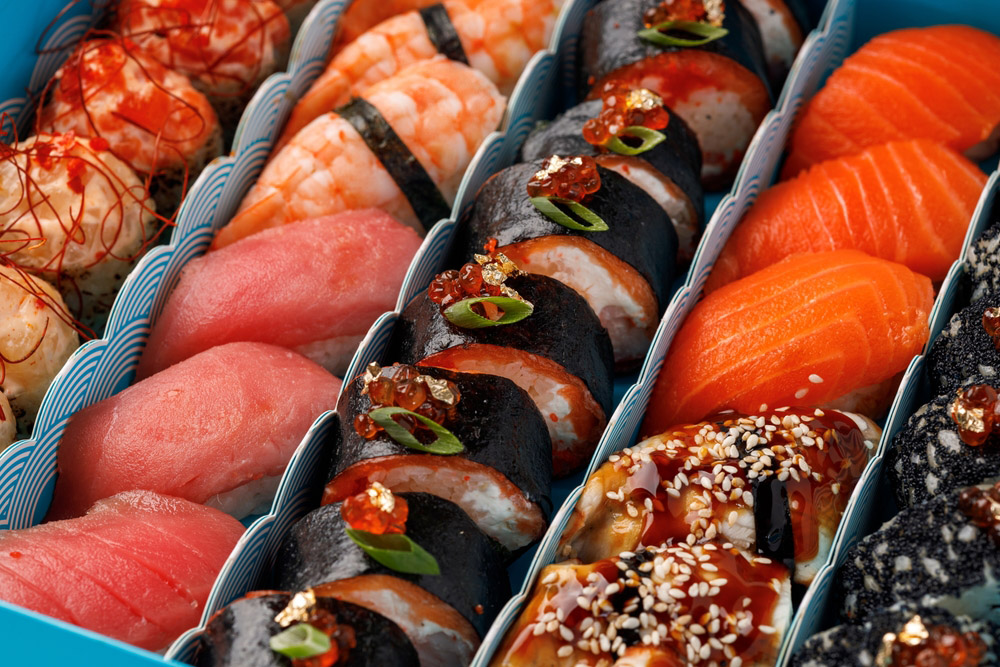
This variety explains why two pieces of sushi can taste completely different even when they look similar.
For example, a tuna roll may have a clean, savory character, while an avocado roll may feel creamy and mild.
Rather than expecting every piece to taste alike, approach sushi as a combination of individual ingredients working together.
That makes the experience more interesting and helps you recognize which flavors you naturally enjoy.
3. How Sushi Rice Influences the Overall Flavor
One of the biggest surprises for first-time sushi eaters is how much flavor comes from the rice.
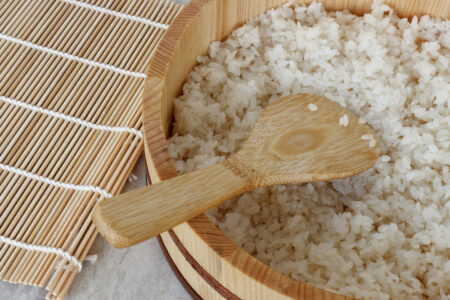
Sushi rice is typically seasoned with rice vinegar, sugar, and salt. This creates a balance of acidity, sweetness, and savory seasoning.
The result is noticeably different from plain steamed rice.
When prepared properly, sushi rice should feel tender and slightly sticky without becoming a uniform paste. The grains hold together, but you can still notice their individual texture.
This matters because the rice acts as a foundation for the other ingredients.
With a rich piece of salmon, its tanginess can provide contrast. With a mild vegetable filling, its seasoning may become one of the most noticeable flavors.
The rice also affects the overall mouthfeel. Its soft, cohesive texture makes sushi easy to eat as a single bite, allowing the flavors to come together.
If you pay attention to the rice during your first tasting, you may realize that it contributes just as much to the experience as the seafood or vegetables.
4. Sushi Flavors: Sweet, Savory, Tangy, and Umami
Sushi flavors often feel balanced because several taste characteristics appear together.
You may notice mild sweetness from seasoned rice, avocado, or certain cooked ingredients. Tanginess usually comes from the vinegar in the rice, while seafood, seaweed, and some seasonings contribute savory notes.
Another important characteristic is umami, a savory taste associated with ingredients such as seafood and seaweed.
Umami does not necessarily mean that something tastes salty. Instead, it can give food a deeper, more satisfying savory quality.
Consider these common flavor impressions:
Mild and sweet: Seasoned rice, cucumber, avocado, or cooked egg may create a gentle flavor combination.
Rich and savory: Salmon, tuna, and certain seafood preparations can offer a fuller taste and mouthfeel.
Tangy and refreshing: Vinegared rice and pickled accompaniments introduce acidity that contrasts with richer ingredients.
Not every piece contains all these characteristics equally.
A simple vegetable roll may highlight freshness and texture, while nigiri can place greater emphasis on the relationship between seafood and rice.
As you become familiar with these differences, you may find that sushi is less about one strong taste and more about how several subtle flavors work together.
5. What Does Raw Fish Taste Like in Sushi?
Raw fish is often the ingredient people feel most curious about.
You might expect a strong seafood flavor, but many commonly used fish varieties have relatively mild tastes when fresh and properly handled.
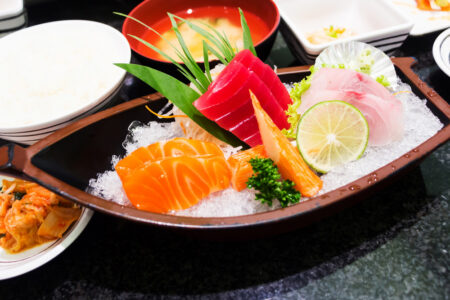
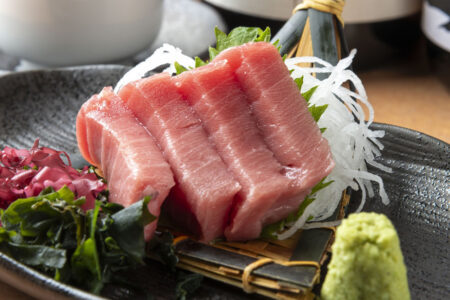
Raw salmon often has a rich, buttery quality. Tuna can taste clean and savory, with a texture that varies depending on the cut. Some white fish varieties have more delicate flavors and a firmer bite.
These descriptions are general because the species, cut, freshness, temperature, and preparation can change the experience.
The texture may also surprise you.
Unlike cooked fish, raw fish does not develop the flaky structure associated with heat. Instead, it may feel smooth, tender, or slightly firm.
That does not mean every raw fish preparation feels the same.
A thin slice of tuna can feel different from a thicker piece of salmon, even when both are served over seasoned rice.
If you are unsure whether you will enjoy raw seafood, remember that sushi also includes cooked and vegetable-based preparations. Raw fish is only one part of the broader sushi experience.
6. How Cooked Sushi Changes the Flavor Experience
Cooked sushi can taste more familiar if you regularly eat grilled, steamed, or fried foods.
Cooking changes both the flavor and structure of seafood. Depending on the preparation, it may create firmer textures, flaky layers, or lightly browned surfaces.
For example, cooked shrimp generally has a gentle sweetness and a firmer bite than many raw fish preparations.
A roll containing tempura may introduce a crisp coating that contrasts with the soft rice. Cooked eel often has a richer flavor, especially when served with a sweet-savory glaze.
These ingredients can make sushi feel quite different from the delicate taste of raw fish nigiri.
However, cooked sushi is not automatically sweeter, heavier, or more flavorful. The final taste still depends on the ingredients and seasonings.
If you are comparing cooked and raw sushi, try noticing how temperature, texture, and seasoning affect your impressions.
You may discover that you enjoy both for different reasons.
7. How Seaweed and Vegetables Affect Sushi Taste
Seaweed and vegetables may seem like supporting ingredients, but they can significantly influence a sushi roll.
Nori, the dried seaweed commonly wrapped around rolls, has a savory, slightly briny flavor. Its texture can be crisp when freshly handled, then soften as it absorbs moisture from the rice.
For someone trying sushi for the first time, this seaweed flavor may be more noticeable than expected.
Vegetables introduce another layer of contrast.
Cucumber contributes a fresh crunch, while avocado adds a creamy mouthfeel and mild flavor. Pickled vegetables may bring sweetness, acidity, or a sharper taste.
These combinations help explain why sushi does not need raw fish to feel interesting.
A simple cucumber roll can highlight the contrast between crisp vegetables and tender rice, while an avocado roll feels softer and richer.
Paying attention to these ingredients helps you recognize that sushi’s character comes from the entire combination, not just the filling at its center.
8. First Time Eating Sushi: What Textures Should You Expect?
Flavor is only half of the sushi experience. Texture often makes the strongest first impression.
If you are used to eating cooked seafood, the smoothness of raw fish may feel unfamiliar. Likewise, the slightly sticky texture of seasoned rice differs from the loose grains of many everyday rice dishes.
Some sushi pieces feel tender and cohesive, while others offer noticeable crunch.
A roll with cucumber might combine soft rice, crisp vegetables, and a slightly chewy seaweed wrapper. Nigiri, on the other hand, may feel smoother because it pairs rice directly with a seafood topping.
Temperature also influences the experience.
Sushi is not necessarily served ice-cold. Rice is commonly served around room temperature, while seafood may be cooler, creating a gentle temperature contrast.
Try paying attention to how the ingredients feel together rather than judging each texture separately.
What initially seems unusual may become enjoyable once you understand how the different components complement one another.
9. Does Sushi Taste Fishy or Have a Strong Smell?
One common concern is whether sushi will taste or smell overwhelmingly fishy.
A noticeable seafood flavor is normal for some ingredients, but a strong unpleasant odor is not something you should simply expect from properly handled fresh fish.
The FDA explains that fresh fish should smell mild rather than strongly fishy, sour, or ammonia-like.
Smell and taste are related, but they are not identical. A piece of sushi may have a delicate marine flavor without producing an overpowering odor.
The type of seafood also matters.
Some fish have a richer, more pronounced flavor, while others are subtle. Sauces, seaweed, and seasonings can further influence what you notice.
It is also important to distinguish flavor preference from food safety.
Raw or undercooked seafood carries foodborne illness risks even when it looks and smells normal. People at higher risk of serious illness should follow food safety guidance and consider fully cooked alternatives.
If a seafood item smells unpleasant or seems questionable, it is better not to eat it.
10. How to Appreciate Different Sushi Flavors
You do not need expert knowledge to appreciate sushi. A little curiosity is enough.
Start by noticing the first flavor you recognize. Is the rice tangy? Does the filling taste mild, savory, or slightly sweet? Is the texture soft, firm, creamy, or crisp?
Then notice how those impressions change as you finish the bite.
When trying several varieties, it can help to move between contrasting flavors rather than treating everything as one continuous taste.
Pickled ginger is traditionally served as a palate cleanser between sushi selections. Its sweet, tangy character provides a contrast that can help refresh your mouth.
Understanding how a little pickled ginger refreshes your palate can make it easier to notice the differences between richer and lighter pieces.
You can also try a piece before adding soy sauce or wasabi. This lets you experience the original combination before introducing stronger seasonings.
Most importantly, there is no requirement to enjoy every variety.
Your preferences may change as you become familiar with different ingredients. The goal is to discover what appeals to you, not to develop a particular taste overnight.
11. Frequently Asked Questions
Does sushi taste good if you have never eaten raw fish?
It can. Many sushi varieties have mild, balanced flavors, and not all sushi contains raw fish. Your enjoyment depends on your preferences, the ingredients, and how the sushi is prepared.
Is sushi supposed to taste sour?
Sushi rice usually has a gentle tang from vinegar, but it should not necessarily taste sharply sour. The seasoning is intended to complement the other ingredients rather than overpower them.
What does salmon sushi taste like?
Salmon sushi often has a rich, mildly savory flavor and a smooth, tender texture. Its natural richness contrasts with the slightly tangy rice, creating a balanced bite.
Does sushi taste different with soy sauce?
Yes. Soy sauce adds saltiness and umami, which can make the overall flavor more pronounced. Using a small amount allows you to notice the original ingredients without overwhelming them.
Can you enjoy sushi without liking seafood?
Yes. Sushi can include vegetables, cooked egg, and other non-seafood fillings. These varieties allow you to enjoy seasoned rice, seaweed, and different textures without choosing fish.
Key Takeaways
Sushi can taste mild, sweet, tangy, savory, or rich, depending on its ingredients.
Seasoned rice plays an important role in the flavor and texture of every rice-based sushi preparation.
Raw fish often has a smoother texture than cooked seafood, but different varieties offer different experiences.
Seaweed, vegetables, and accompaniments can change how each bite tastes.
Trying different combinations helps you discover your preferences without needing to follow complicated rules.
Discover Your Sushi Preferences
Your first sushi experience is an opportunity to explore new flavors at your own pace. Whether you prefer delicate seafood, cooked fillings, or crisp vegetables, each combination offers something different.
If you would like to explore additional preparations, you can discover more sushi dining options and compare the styles that interest you.
You can also browse the Masuta Japanese Restaurant menu to see different selections and consider which flavors you might enjoy trying.
DISCLAIMER: This article provides general educational information about sushi flavors and ingredients. Taste experiences vary, and raw or undercooked seafood may carry food safety risks.