- Masuta Japanese Fusion Restaurant
- September 6, 2026
- 15 min read
Sushi & Sashimi
Table of Contents
- 1. Why This Question Comes Up More Than It Should
- 2. What Sushi Actually Is
- 3. What Sashimi Actually Is
- 4. The Core Difference in Experience
- 5. When Sushi Is the Right Choice
- 6. When Sashimi Is the Right Choice
- 7. How Hunger Level Affects the Decision
- 8. How Experience Level Affects the Decision
- 9. How to Order Both Without Overcomplicating the Table
- 10. What to Ask the Server When Still Undecided
- 11. Frequently Asked Questions
Sushi or sashimi. It is one of the most common moments of pause at a Japanese restaurant table, and it happens to diners at every experience level, not just beginners. The two items share significant overlap in ingredients, sourcing standards, and the kitchens that produce them. But they deliver meaningfully different experiences, and choosing between them without knowing the difference tends to produce an order that partially satisfies rather than one that delivers exactly what you were looking for.
This guide is a direct framework for making that decision confidently based on what you actually want from the meal.
1. Why This Question Comes Up More Than It Should
The confusion between sushi or sashimi is not a failure of knowledge. It is a product of menus that list both without clearly communicating what distinguishes them and of a general cultural association that treats the two as interchangeable variations of the same thing.
They are not interchangeable. They serve different purposes at the table, deliver different sensory experiences, and suit different dining situations. Once that distinction is clear, the decision between sushi or sashimi becomes straightforward in almost every context.
2. What Sushi Actually Is
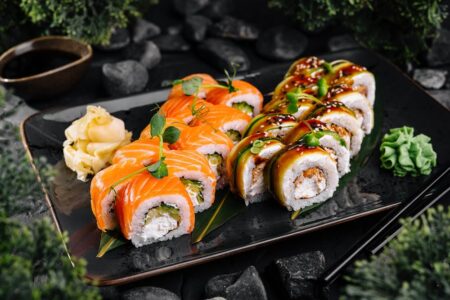
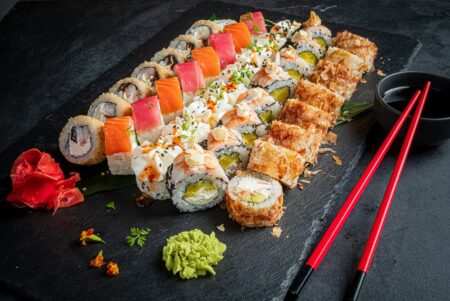
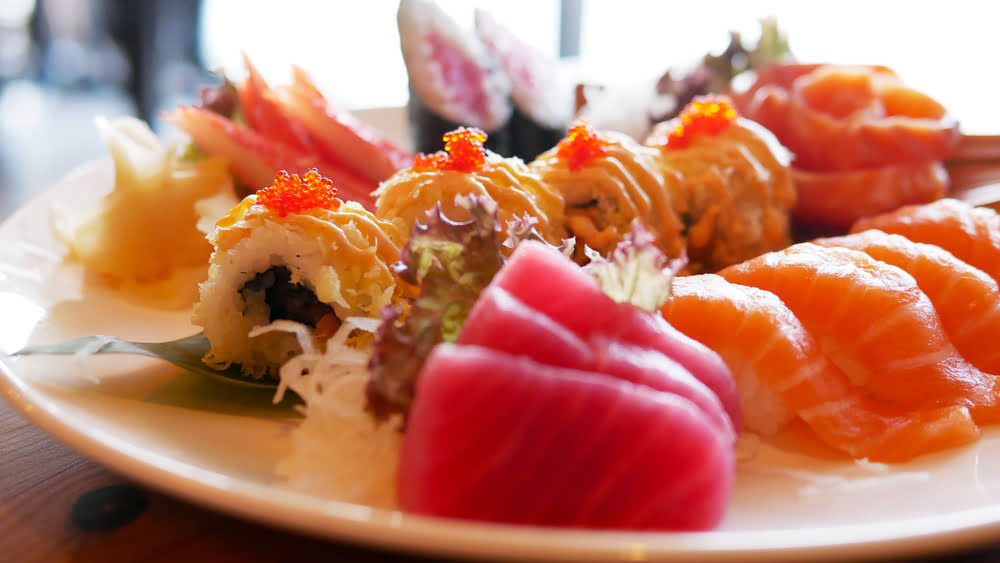
Sushi is vinegared rice paired with other ingredients. That pairing takes many forms, from a single slice of fish pressed over a hand-shaped mound of rice in the nigiri style, to fish and fillings rolled in nori and sliced into pieces in the maki style, to specialty uramaki rolls with multiple fillings, toppings, and sauces. What unifies all of these formats is the rice.
Sushi rice is seasoned with rice vinegar, sugar, and salt and prepared to a specific texture and temperature. It is not a neutral carrier. It has its own flavor, its own texture, and its own role in shaping what the overall piece tastes like. When the rice is prepared well, it contributes meaningfully to every bite. When it is prepared poorly, the entire experience suffers regardless of the quality of the fish.
The rice is also what makes sushi a more filling format than sashimi. A comparable number of pieces of sushi delivers significantly more calories and volume than the same number of sashimi slices, which is a practical consideration that affects how the meal feels from start to finish.
3. What Sashimi Actually Is
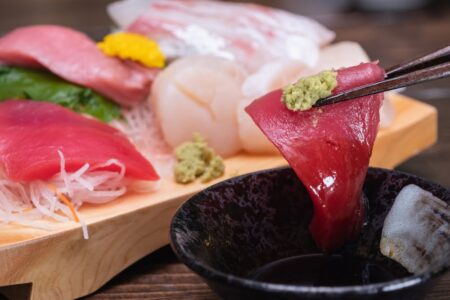
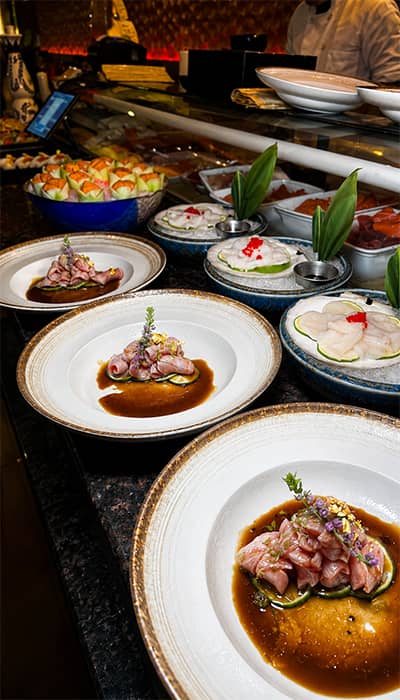
Sashimi is raw fish or seafood sliced and served without rice. There are no rolls, no nori, no additional components beyond the fish itself, a garnish of shiso or daikon, and the condiments placed alongside. The entire experience is organized around the fish and the fish alone.
Sashimi in Japanese culinary tradition is considered one of the most direct expressions of ingredient quality in the cuisine. When the fish is exceptional, sashimi allows that quality to be experienced without interference. When the fish is mediocre, sashimi has nowhere to hide it. This is why kitchens that serve excellent sashimi tend to be kitchens that take sourcing seriously across everything they do.
The absence of rice makes sashimi a lighter, lower-calorie format that emphasizes flavor and texture over volume and satisfaction. It is also the format that most directly rewards attention and a developed palate.
4. The Core Difference in Experience
The most practical way to understand the difference between sushi or sashimi is to think about what each one is designed to deliver.
Sushi is designed to deliver a complete bite where multiple elements, rice, fish, filling, topping, and occasionally sauce, interact simultaneously. The appeal of sushi is the interplay of those components and the range of experiences that different formats and roll constructions create. Eating sushi well involves appreciating how each element contributes to the overall composition.
Sashimi is designed to deliver a direct encounter with a single ingredient. The appeal of sashimi is the purity of that encounter and the specific character of each species expressed without anything competing for attention. Eating sashimi well involves attending to the fish itself with more focus than a sushi roll format typically requires.
These are different pleasures and they suit different moods, appetites, and intentions at the table.
5. When Sushi Is the Right Choice
Several situations consistently favor sushi over sashimi when the choice comes down to sushi or sashimi.
When you want variety in a single order. The roll format of maki and uramaki allows a wide range of ingredients, textures, and flavor combinations to be explored across a single platter in a way that sashimi does not. If the goal is a dynamic, multi-experience meal, sushi provides more variables to work with.
When you want a more filling meal. The rice component of sushi adds meaningful volume and caloric substance. If you are eating sushi as a complete dinner rather than as one component of a larger meal, the filling quality of sushi generally makes it a more satisfying choice on its own.
When dining with mixed experience levels. Sushi, particularly in maki and specialty roll formats, tends to be more approachable for diners who are newer to Japanese cuisine. The familiar textures and the visual appeal of well-made rolls provide accessible entry points that sashimi does not always offer to first-time or infrequent diners.
When you want something creative and composed. Specialty rolls allow a kitchen to express creative ideas through ingredient combinations, toppings, and sauces in a way that sashimi, as a format, does not accommodate. If you want to experience the kitchen’s creative range, ordering across the sushi menu gives you access to it.
6. When Sashimi Is the Right Choice
Other situations favor sashimi when navigating the sushi or sashimi decision.
When you want to evaluate the quality of the fish directly. Sashimi removes every variable except the fish and the knife work. If your primary interest is in experiencing the specific character of a particular species, or in evaluating the overall sourcing quality of the kitchen, sashimi is the more informative format.
When you want a lighter meal. The absence of rice makes sashimi significantly lower in calories and carbohydrates than comparable portions of sushi. For diners managing dietary intake or simply preferring a lighter experience, sashimi is the more appropriate format.
When you are dining with other substantial courses. If sashimi is one component of a larger meal that includes other dishes, its lighter footprint allows it to complement rather than overwhelm the rest of what is ordered.
When you want to focus on a specific species. Sashimi allows you to order multiple slices of a single species and attend to it fully. Ordering a full plate of yellowtail sashimi to understand that fish in depth is a different experience from encountering a single piece of yellowtail in a specialty roll surrounded by competing flavors.
7. How Hunger Level Affects the Decision
Hunger level is a practical variable that consistently informs the sushi or sashimi decision and is worth accounting for before the order is placed.
Sashimi is a lean, low-volume format. A plate of sashimi that looks substantial often delivers less satiety than the same visual portion of sushi because there is no rice adding bulk and slow-digesting carbohydrate to the meal. Diners who arrive at the table genuinely hungry tend to find sashimi alone insufficient unless they order a significant quantity or pair it with other dishes.
Sushi, with its rice base, delivers more volume per piece and tends to produce a fuller sensation across a comparable portion size. For a diner who wants to feel comfortably satisfied from a single format order, sushi is generally the more reliable choice.
A practical middle approach is to begin with a smaller sashimi order as a first course and follow with sushi. This allows the fish to be evaluated directly and without competition before the meal progresses to the more varied and filling sushi component.
8. How Experience Level Affects the Decision
Experience with Japanese cuisine does not determine which format is objectively better, but it does affect which format is likely to be most rewarding in a given visit.
Less experienced diners tend to get more from sushi because the rice and multi-ingredient context provides familiar reference points that make the fish easier to enjoy without specific knowledge of its individual character. A piece of salmon in a specialty roll is approachable in a way that a plain slice of salmon sashimi requires more attention to fully appreciate.
More experienced diners often find sashimi increasingly rewarding over time precisely because it demands more attention and rewards more knowledge. The ability to evaluate the quality of the cut, detect the specific flavor profile of each species, and notice the finish and aftertaste of the fish develops with repetition and makes the sashimi format progressively richer as a dining experience.
Neither starting point is wrong. Both formats are worth developing fluency in over time.
9. How to Order Both Without Overcomplicating the Table
The cleanest resolution to the sushi or sashimi question at a table where both appeal is to order a small amount of each rather than committing entirely to one format.
A practical approach is to begin the meal with a sashimi selection of two to three species, eating each piece with attention before moving into the sushi portion of the order. This sequence takes advantage of the palate being freshest at the start of the meal for the format that requires the most attentive tasting, and transitions naturally into the more complex and filling sushi component as the meal develops.
For guidance on how to build a sashimi tasting sequence that makes the most of the early course, our post on how to taste sashimi properly covers the full sensory approach in detail.
10. What to Ask the Server When Still Undecided
If the sushi or sashimi decision remains genuinely unclear after considering the variables above, asking the server two specific questions almost always produces useful guidance.
The first question is what is freshest today. The answer points toward the fish that is at peak quality in the kitchen that day, which is the fish most worth tasting directly as sashimi. If the answer is a species you find particularly appealing, ordering it as sashimi makes the most of the kitchen’s best available ingredient.
The second question is what the kitchen is known for. If a kitchen is particularly celebrated for its rolls, sushi captures more of what makes that kitchen distinctive. If it is known for sourcing exceptional raw fish, sashimi delivers that quality most directly.
Both questions shift the decision from a general preference exercise to a specific response to what the kitchen is best positioned to offer that day.
11. Frequently Asked Questions
What is the main difference between sushi and sashimi?
Sushi is vinegared rice paired with fish or other ingredients in formats including nigiri, maki, and uramaki rolls. Sashimi is raw fish or seafood served without rice, as a direct expression of the ingredient alone. The rice is the defining element that separates one from the other.
Which has more calories, sushi or sashimi?
Sushi has significantly more calories than sashimi in comparable portions because of the rice component. Sashimi is among the leanest high-protein foods available. For diners managing caloric intake, sashimi is the lower-calorie format by a substantial margin.
Is sashimi harder to enjoy than sushi for a first-time diner?
Not necessarily, but sashimi rewards attention and a willingness to focus on the specific character of each fish species. Sushi provides more familiar reference points for less experienced diners through the rice, sauces, and multi-ingredient roll formats. Both are accessible, but sushi tends to be the more immediately approachable starting point.
Can I order both sushi and sashimi at the same meal?
Yes, and doing so is often the most satisfying approach. A small sashimi selection at the start of the meal followed by sushi rolls as the main course combines the focused, direct fish experience of sashimi with the variety and substance of sushi in a sequence that works well from a palate and satiety perspective.
Which is better for experiencing the quality of the fish?
Sashimi is the more direct format for evaluating fish quality because there are no other components competing for attention. The flavor, texture, and finish of the fish are experienced without modification. Sushi adds components that can complement or partially obscure the character of the fish depending on the format.
Key Takeaways
- Sushi is vinegared rice paired with fish or other ingredients across multiple formats including nigiri, maki, and specialty rolls. Sashimi is raw fish served alone without rice, as a direct expression of the ingredient itself.
- The core difference is experiential: sushi delivers a composed, multi-element bite while sashimi delivers a direct, unmediated encounter with the fish.
- Sushi is the more filling format due to the rice component and suits diners who want variety, substance, and a more accessible entry point into Japanese cuisine.
- Sashimi is the lighter, more focused format and suits diners who want to evaluate fish quality directly, eat more lightly, or develop a deeper understanding of specific species.
- Hunger level is a practical variable. Sashimi alone rarely satisfies a genuinely hungry diner without supplementary dishes, while sushi provides more volume and satiety per piece.
- Less experienced diners tend to find sushi more immediately approachable. More experienced diners often find sashimi progressively more rewarding as their palate develops.
- Ordering both in sequence, beginning with sashimi and following with sushi, is a reliable resolution when both appeal and there is no compelling reason to choose only one.
- Asking the server what is freshest and what the kitchen is known for shifts the decision from a general preference exercise to a specific response to what the kitchen is best positioned to offer that day.
Find Your Format at the Table
Whether sushi or sashimi is calling your name today, experience both prepared with care and hand-selected fish. Explore what a sushi restaurant in Brooklyn, NY committed to quality across every format looks like and let the meal guide the decision.
DISCLAIMER: Consuming raw or undercooked seafood carries food safety risks. Individuals who are pregnant, elderly, immunocompromised, or have underlying health conditions should consult a healthcare provider before consuming raw seafood.
References
- Serious Eats. Sushi rice preparation and technique. https://www.seriouseats.com/the-food-lab-how-to-make-the-best-sushi-rice
- MasterClass. Sashimi guide and Japanese culinary tradition. https://www.masterclass.com/articles/sashimi-guide