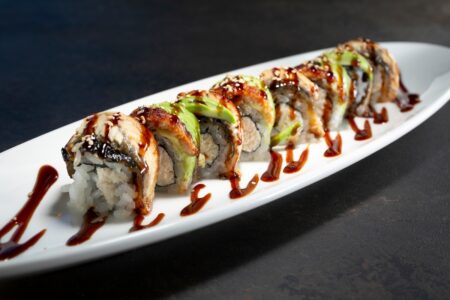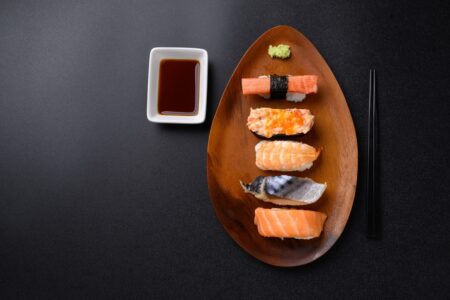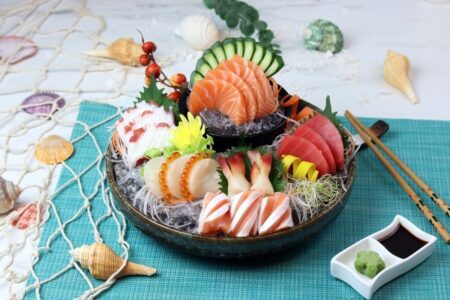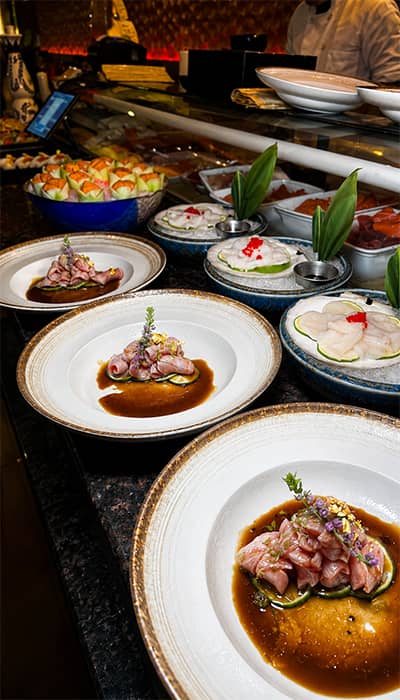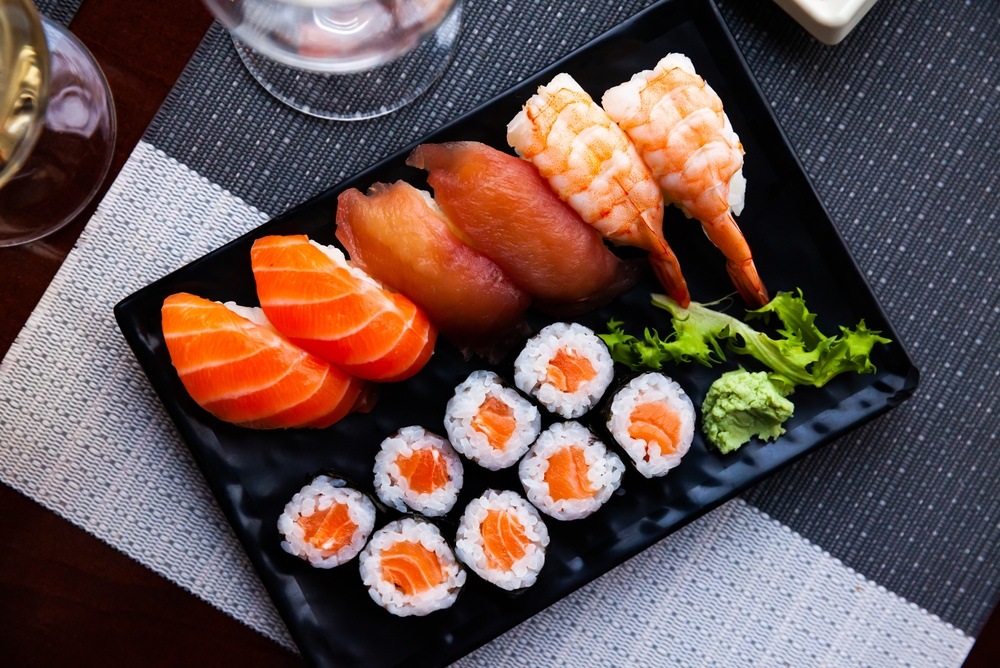
Flavor gets almost all of the attention when people describe a great sushi experience. The freshness of the fish, the seasoning of the rice, the brightness of the citrus or the depth of the soy. What rarely gets named, but is felt in every single bite, is texture.
Sushi texture is not a secondary concern. It is a foundational dimension of the eating experience, one that distinguishes a truly well-made piece from one that is merely edible. A plate where the textures are working together feels entirely different in the mouth from one where they are not, and that difference shapes how you remember the meal far more than most diners realize.
Why Texture Is a Core Element of Japanese Cuisine
Japanese cuisine has a long and deliberate relationship with texture that goes well beyond what most Western culinary traditions emphasize. The Japanese concept of shokkan, which translates roughly to mouthfeel or food texture, is treated as a primary quality in its own right. A dish can be perfectly seasoned and still be considered unsuccessful if the texture is wrong.
This cultural emphasis on sushi texture means that every element of a well-made piece is evaluated not only for its flavor contribution but for how it behaves in the mouth. The way rice releases when bitten, the way a slice of fish yields cleanly without resistance or chewiness, the way nori transitions from a slight firmness to a seamless integration with the other ingredients, all of these are intentional outcomes of deliberate preparation.
The Texture of Sushi Rice
Rice is the element of sushi texture that most directly reflects the skill of preparation. Properly made sushi rice holds its shape under gentle handling but releases evenly when bitten. It should not feel dense or compressed, which signals over-packing. It should not feel loose or crumbly, which signals under-development of the starches during cooking or improper cooling.
The individual grains should remain distinct when the rice is eaten. A mouth full of mushy, undifferentiated starch is the result of overcooked rice that has lost its structural integrity. The correct sushi texture for rice is a gentle resistance that gives way immediately to a soft, slightly chewy grain with a clean, slightly tangy finish from the vinegar seasoning.
Temperature plays a critical role in rice sushi texture. Rice served cold from refrigeration tightens the starches and produces a hard, dense texture that bears little resemblance to properly rested, room-temperature rice. This is one of the clearest signs that a kitchen is not prioritizing the eating experience.
The Texture of Raw Fish
Different fish species have fundamentally different sushi texture profiles, and part of what makes exploring the full range of a sushi menu rewarding is the variety of mouthfeel that different species deliver.
Lean fish such as flounder or sea bass has a firm, clean bite with very little fat to soften the texture. It yields cleanly when bitten and has a precise, almost crystalline quality when cut correctly and served fresh. This is one of the most texturally refined experiences on any sushi menu.
Fatty fish such as salmon or fatty tuna has a softer, more yielding texture driven by its higher fat content. The fat distributes through the muscle tissue in a way that produces a rich, almost buttery mouthfeel. When the fish is at peak freshness, this texture is among the most satisfying in sushi. When the fish has aged past its peak, the fat begins to break down and the texture becomes soft in an unpleasant way rather than a deliberate one.
Shellfish such as scallop or shrimp presents a different sushi texture entirely. Scallop has a delicate, slightly resistant bite with a clean sweetness. Shrimp, depending on preparation, can range from a snappy firmness when served raw to a softer, more giving texture when lightly cooked.
Squid is among the most texturally distinctive items on any sushi or sashimi menu. Its firm, slightly chewy character is unlike any other common sushi ingredient and is often the element that makes first-time diners hesitate. Those who embrace it find a uniquely satisfying texture that contrasts sharply with the softer elements around it.
How Nori Contributes to Sushi Texture
Nori is often overlooked as a textural element because it is visually secondary to the fish and rice, but it contributes meaningfully to the overall sushi texture experience. Fresh, high-quality nori has a slight resistance when first bitten, followed by an immediate dissolve into the other ingredients. This transition, from a very brief firmness to seamless integration, is what good nori feels like.
Nori that has absorbed moisture from the rice before serving loses that initial resistance and becomes uniformly soft throughout the bite. The textural contrast disappears. The roll feels one-dimensional in the mouth regardless of the quality of what is inside it. This is why well-made rolls are assembled close to serving time and why temaki hand rolls are meant to be eaten immediately.
Textural Contrast Across a Full Order
One of the most rewarding aspects of building a thoughtful sushi order is the opportunity to experience a range of sushi textures across a single meal. A plate composed entirely of soft, rich items becomes monotonous over time, even when each individual piece is excellent. Introducing contrast keeps the palate engaged and makes the overall meal more satisfying.
A practical approach to textural variety is to combine items from different categories within the same order. The firm, precise bite of a lean white fish nigiri alongside the silky richness of fatty tuna. A crisp cucumber hosomaki between two heavier specialty rolls. A piece of scallop with its distinct sweetness and gentle resistance adjacent to a slice of buttery salmon.
This kind of intentional ordering is closely related to the sushi pairing principles covered in our post on how sushi pairing works and how to match rolls to flavors you already love. Texture and flavor pairing operate on the same principle: contrast and balance create a more dynamic experience than uniformity.
What Poor Sushi Texture Signals
Just as the right sushi texture communicates care and skill, the wrong texture is one of the most reliable indicators that something in the kitchen has gone wrong. Dense, compressed rice signals over-packing or incorrect preparation. Mushy fish signals age or improper storage. Soggy nori signals rolls that were assembled too far in advance. Rubbery shellfish signals overhandling or a temperature issue during preparation.
None of these texture problems require expertise to detect. They are felt immediately in the first bite. Paying attention to what that first bite communicates gives you useful information about the kitchen’s standards that no amount of menu description can provide.
FAQs
Why does sushi texture matter so much in Japanese cuisine?
Japanese cuisine treats texture, known as shokkan, as a primary quality in its own right rather than a secondary consideration. A dish that is correctly seasoned but poorly textured is considered unsuccessful. This cultural emphasis on mouthfeel is reflected in every element of sushi preparation, from rice cooking to fish slicing to nori selection.
What should sushi rice feel like when eaten?
Properly prepared sushi rice should hold its shape when handled but release evenly when bitten. Individual grains should remain distinct rather than merging into a single mass. The texture should be slightly chewy with a clean finish, served at room temperature rather than cold, which would tighten the starches and produce an unpleasant density.
Why does fatty fish feel different from lean fish in sushi?
The fat content distributed through the muscle tissue of species like salmon or fatty tuna softens the texture and produces a rich, buttery mouthfeel. Lean fish like flounder has a firmer, more crystalline bite because there is less fat to soften the muscle fibers. Both textures are desirable in their own right and create a rewarding contrast when ordered together.
How does nori affect the sushi texture experience?
Fresh nori adds a brief, pleasant resistance at the moment of biting before dissolving seamlessly into the other ingredients. Nori that has absorbed moisture from the rice before serving loses this quality and produces a uniformly soft texture that eliminates the contrast the nori is meant to provide.
Is chewy sushi ever a sign of good quality?
It depends on the item. Squid sashimi and some preparations of abalone have a naturally firm, slightly chewy texture that is intentional and desirable. Chewy rice or chewy fish, however, signals preparation or freshness problems. Understanding which ingredients carry a natural chew versus which should not is part of developing fluency with the full sushi menu.
Feel the Difference Before You Can Name It
Most diners who have experienced great sushi know what it feels like before they can explain why. The rice that melts cleanly, the fish that yields without resistance, the nori that transitions invisibly into the bite. These are sushi texture experiences that register at a level below conscious analysis and stay with you long after the meal is finished.
That quality does not happen by accident. It is the result of deliberate preparation at every stage, from rice cooking to fish sourcing to the timing of the final assembly. To experience that standard in person, explore what a sushi restaurant built around genuine craft and attention to detail looks and feels like.
Disclaimer
Menu items and availability may vary. Please inform your server of any dietary restrictions or allergies before ordering.