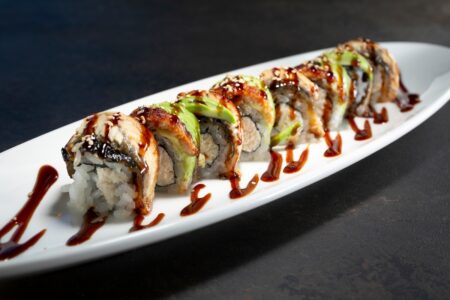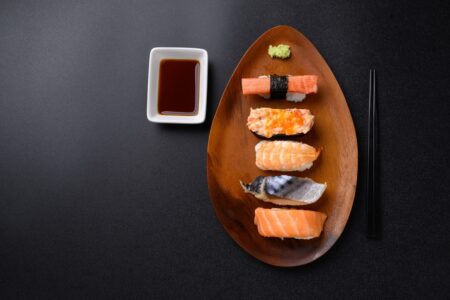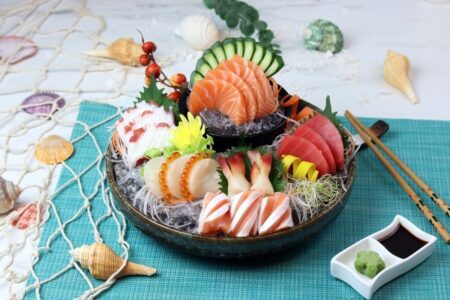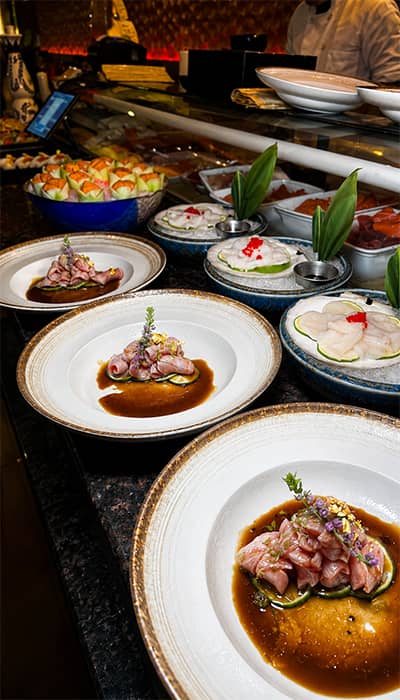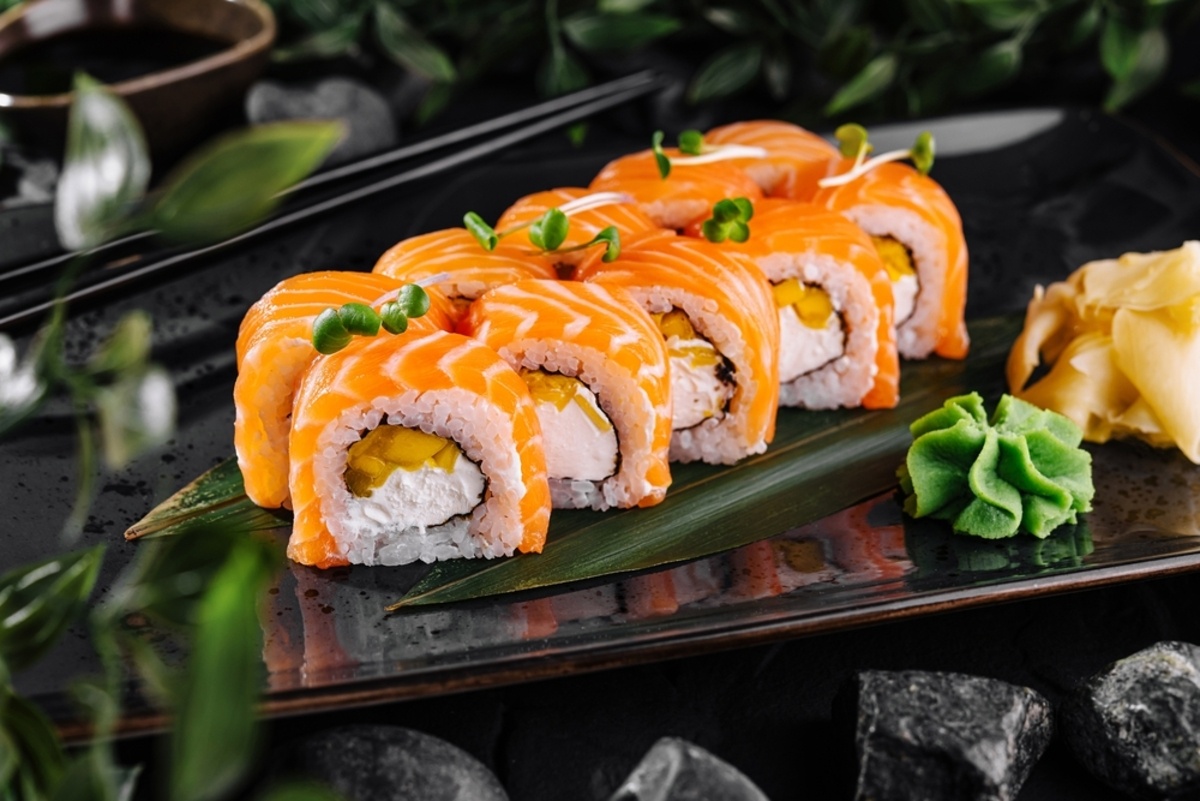
There is a moment at a great sushi counter when the roll placed in front of you needs no introduction. The rice holds its shape without being packed too tight. The fish has a clean, ocean-fresh scent. The nori crackles just slightly when you pick it up. That moment is not an accident.
Most people can tell the difference between a memorable experience and a forgettable one the instant the plate arrives. Fewer people can explain exactly why. Understanding what goes into exceptional sushi rolls makes you a more confident diner and a better judge of where to spend your appetite.
The Rice Is the Foundation of Every Sushi Roll
Ask any classically trained sushi chef and they will tell you the same thing: the rice is everything. Properly prepared sushi rice is not plain steamed rice. It is seasoned with a precise balance of rice vinegar, sugar, and salt, then cooled to a specific temperature before it ever touches a sheet of nori or a piece of fish.
Texture matters enormously. Rice that has been overcooked turns mushy and breaks apart in the mouth. Rice that has been undercooked feels hard and grainy. Properly prepared sushi rice holds its form, releases gently when bitten, and carries a subtle tang that complements rather than overpowers everything around it.
Temperature is another detail that separates thoughtful preparation from careless assembly. Sushi rolls should be served at room temperature, not cold from refrigeration. Cold rice loses its texture and the flavors become muted. If your sushi rolls arrive noticeably chilled from storage, that is a sign that quality control may be lacking somewhere in the process.
Fresh Fish vs. Thawed Fish: A Difference You Can Taste
The quality of fish used in sushi rolls is one of the most significant factors in the overall experience. Sushi-grade fish refers to fish that has been handled and, when required, frozen to specific temperatures to reduce certain food safety risks. This designation matters, but freshness within that standard still varies widely from one kitchen to the next.
Fresh, high-quality fish has a clean scent, not a strong fishy odor. Its flesh is firm and moist, not soft or dry at the edges. When sliced, it holds together cleanly rather than falling apart. A diner paying close attention will notice these distinctions before the roll even reaches their mouth.
Fish that has been sitting too long, even technically safe fish, loses its brightness in both flavor and appearance. The difference between fish sourced thoughtfully and fish sourced carelessly is not subtle. It is the single most important variable in sushi rolls that truly stand out. If you want to understand the full picture of what makes a kitchen worth trusting, read our guide on how to recognize quality and freshness at a great sushi restaurant.
The Nori: Crisp, Not Soggy
Nori is the dried seaweed sheet that holds most sushi rolls together, and its condition at the moment of serving reveals a great deal about how the kitchen operates. Fresh, high-quality nori is dark green to near-black, with a subtle briny flavor and a slight crispness when handled.
When sushi rolls sit assembled for too long before serving, moisture from the rice transfers into the nori and makes it soft and chewy. This is not simply a texture preference. It is a sign that the rolls were not made to order. Great sushi rolls are assembled close to the time they are served, which preserves the contrast between the tender rice and the slightly firm nori wrap.
Knife Work and Proportion
The way sushi rolls are cut and portioned is another clear indicator of skill in the kitchen. Each piece should be cut cleanly with a sharp knife in a single motion. Ragged edges, compressed rice, or unevenly sized pieces suggest either a dull knife or a hurried hand.
Proportion matters just as much. The ratio of rice to filling to fish should feel balanced in every bite. A roll that is mostly rice with a thin sliver of filling lacks depth. A roll overstuffed with ingredients becomes difficult to eat in a single bite, which disrupts the intended experience of each component arriving together on the palate.
Skilled preparation means calibrating these proportions carefully so that each piece, eaten whole, delivers every flavor and texture at the same time.
Sauce: Accent or Distraction
Sauce has become a standard feature of many modern sushi rolls, and used well it can add real dimension to the flavor profile. The problem arises when sauce is used to mask rather than enhance. A thick, sweet glaze drizzled over mediocre fish can hide a lot of shortcomings.
A light brushing of ponzu or a small placement of tobiko on a quality roll adds texture and brightness without competing with the main ingredients. When evaluating sushi rolls, pay attention to whether the sauce serves the roll or overwhelms it. The best kitchens treat sauce as a finishing accent, not a cover story.
Presentation as a Signal
Exceptional sushi rolls are also visually deliberate. The arrangement on the plate, the color contrast between ingredients, and the cleanliness of each cut all communicate care. A messy presentation does not necessarily mean poor flavor, but a kitchen that takes presentation seriously usually applies the same standard to ingredient quality and preparation technique.
This is part of why the visual moment before eating matters. It tells you something about how the kitchen approaches its craft across the board.
FAQs
What makes sushi rolls high quality?
High-quality sushi rolls depend on properly seasoned and textured rice, fresh fish handled at appropriate temperatures, crisp nori assembled close to serving time, balanced proportions, and clean knife work. Every element contributes to the final result.
Is sushi rice different from regular steamed rice?
Yes. Sushi rice is short-grain Japanese rice seasoned with rice vinegar, sugar, and salt. It is prepared and cooled to a specific temperature before use. The seasoning and texture are distinct from plain steamed rice and cannot be replicated with a standard rice preparation.
How can I tell if the fish in sushi rolls is fresh?
Fresh fish in sushi rolls has a clean, mild ocean scent rather than a strong fishy odor. The flesh should appear moist and bright, not dull or dry at the edges. When in doubt, trust your sense of smell the moment the plate is set down.
Why does temperature matter for sushi rolls?
Sushi rolls are best served at room temperature rather than straight from refrigeration. Cold temperatures suppress flavor and firm the rice into a less pleasant texture. Well-prepared sushi rolls are made to order and served promptly to preserve that balance.
What does sushi-grade fish mean?
Sushi-grade generally refers to fish that has been handled and, where required, frozen to reduce certain food safety risks. It signals a minimum safety standard, but freshness and sourcing quality still vary significantly between suppliers and kitchens.
Ready to Taste the Difference?
A great sushi roll is never the result of a single decision. It is the accumulation of many small choices made correctly, from the way the rice is seasoned and cooled, to the sourcing of the fish, to the moment the nori is wrapped and the knife is drawn. Each of those details either adds to the experience or quietly takes away from it.
The more you understand what goes into a well-made sushi roll, the more you appreciate the kitchens that take those details seriously, and the more clearly you recognize the ones that do not. That knowledge does not make dining more complicated. It makes every good plate more rewarding.
If you are ready to experience sushi rolls made with care and hand-selected fish, explore what a sushi restaurant should look and feel like, then come see us in person.
Disclaimer
Consuming raw or undercooked fish carries food safety risks. Individuals who are pregnant, elderly, immunocompromised, or have underlying health conditions should consult a healthcare provider before consuming raw seafood.