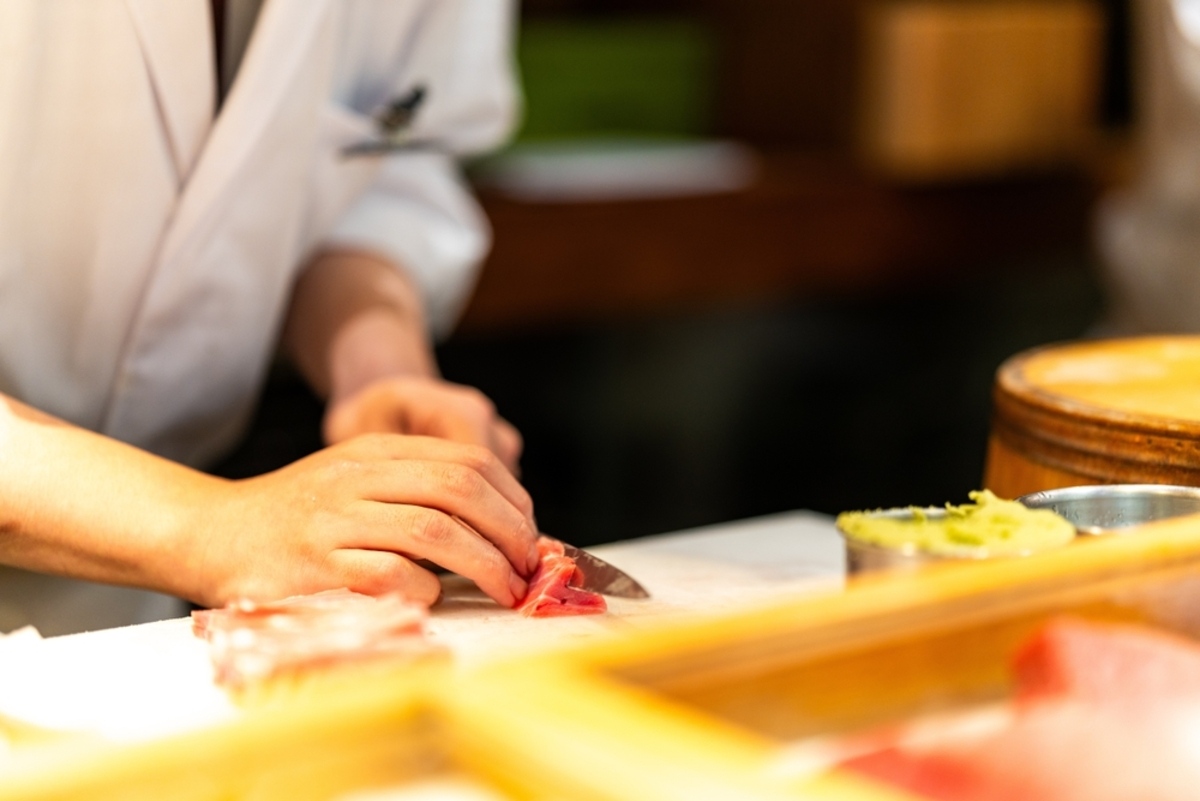
When a plate of sashimi arrives at the table, most diners look at the fish. The more informed ones look at the cut.
The way each slice is drawn from a piece of fish tells a story about the chef’s training, the tools in use, and the level of care applied before the plate ever left the kitchen. In Japanese culinary tradition, the sashimi knife and the technique behind it are treated with the same seriousness as the fish itself. Understanding what to look for on your plate changes the entire experience.
Why the Knife Matters More Than Most Diners Realize
Japanese cuisine places enormous value on the relationship between a chef and their knives. The yanagiba, the long single-bevel blade used for slicing sashimi, is designed for one purpose: drawing through fish in a single, clean motion without tearing the cellular structure of the flesh.
A single-pull cut, rather than a back-and-forth sawing motion, preserves the integrity of the fish at a microscopic level. This affects both texture and flavor. Fish cut cleanly releases less liquid and holds its shape on the plate, which means the flavor remains concentrated rather than leaching out before the first bite is taken.
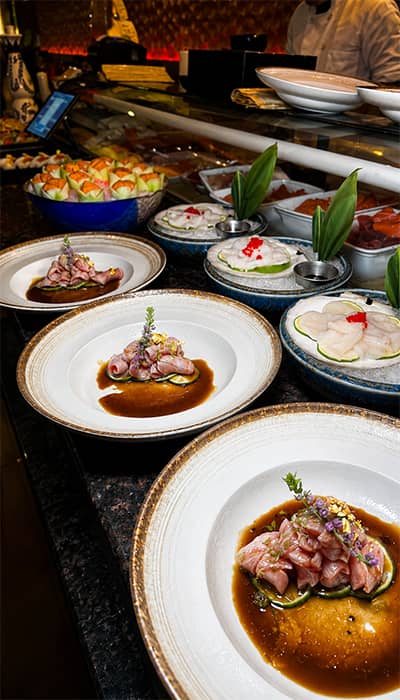
A chef who uses a properly sharpened sashimi knife with correct technique produces slices with smooth, clean edges that catch light evenly. A chef working with a dull blade or improper form produces slices with slightly ragged or compressed edges. The difference is visible. Once you know what to look for, it becomes one of the clearest quality signals on the plate.
The Main Sashimi Knife Cuts and What They Communicate
Different fish call for different cutting techniques, and a skilled kitchen matches the cut to the ingredient. Here are the primary styles you may encounter.
Hira-zukuri (Flat Cut)
Hira-zukuri is the most common sashimi cut. The knife is drawn through the fish at a slight angle, producing rectangular slices of consistent thickness, typically around half a centimeter. This cut is used for firm, medium-density fish such as tuna, salmon, and yellowtail.
When hira-zukuri is executed well, every piece on the plate is nearly identical in size and shape. This uniformity is not simply aesthetic. It reflects a chef who has trained to control their knife with precision and who understands that consistent thickness means consistent texture in every bite.
Sogi-zukuri (Diagonal Cut)
Sogi-zukuri involves angling the blade more steeply to produce thinner, wider slices. This cut is typically used for softer fish such as flounder or sea bass, where a thinner slice improves the texture and prevents the delicate flesh from feeling dense.
This cut requires more skill because the blade must travel a longer path through the fish while maintaining control. A well-executed sogi-zukuri slice is almost translucent at its thinnest point, which signals both a sharp sashimi knife and a steady hand.
Kaku-zukuri (Square Cut)
Kaku-zukuri produces neat, cube-shaped pieces rather than slices. It is used for fish like tuna when a different texture experience is desired, or when a dish calls for a more structured presentation. This cut demands that the chef work with consistent cube dimensions, which requires confidence and control across every move of the blade.
Ito-zukuri (Thread Cut)
Ito-zukuri produces very fine, thread-like strips and is typically reserved for smaller, delicate fish such as squid or very thin-fleshed varieties. The precision required to produce clean ito-zukuri strips is significant. When done well, it is one of the most visually striking presentations in Japanese cuisine.
What a Dull Blade Looks Like on the Plate
A sharp sashimi knife leaves edges that are smooth and even. A dull blade compresses the flesh slightly as it moves through, which creates a slightly uneven surface on the cut edge and may cause the fish to look slightly frayed rather than clean.
Beyond aesthetics, a dull or improperly used knife physically damages the fish at the cut surface. This accelerates oxidation, which affects flavor and color. Fish cut with a sharp sashimi knife and served promptly retains a brighter, more vibrant color than fish that has been cut poorly and left to sit.
If the sashimi on your plate looks slightly grey at the edges or has an uneven surface texture on the cut side, a dull blade is the most likely explanation.
The Role of Training Behind the Knife
In traditional Japanese culinary education, apprentice chefs are sometimes not permitted to handle fish at all for an extended period at the beginning of their training. The early months are spent learning knife maintenance, proper grip, and the mechanics of the cut before any ingredient is touched.
This investment in foundational technique is what separates a sashimi knife wielded with mastery from one used without proper training. The result on the plate reflects that history. The cleanliness of each slice, the consistency of the thickness, and the way the fish holds its shape on presentation are all evidence of the hours invested before service.
To see how that standard translates directly to the plate, read our post on what defines great sashimi from cut to plate.
How to Read Your Plate Before You Eat
The next time a sashimi plate arrives, take a moment before picking up your chopsticks. Look at the following:
Slice consistency: Are the pieces close to the same size and thickness? Uniformity signals control.
Edge quality: Are the cut edges clean and smooth, or slightly ragged? Clean edges indicate a sharp sashimi knife used with proper technique.
Color at the edges: Does the fish hold consistent color across the slice, including at the cut surface? Vibrant, even color indicates freshness and a recent, clean cut.
Presentation arrangement: Is the fish fanned or layered in a deliberate way, or placed without care? Deliberate arrangement suggests the chef considers the full plate as part of the experience.
None of these observations require expertise. They require only attention, and once developed, they make every sashimi plate a richer experience. If you are new to ordering sashimi altogether, our complete beginner’s guide to eating sashimi is a useful starting point before diving into the finer details.
FAQs
What knife is used to cut sashimi?
The yanagiba is the traditional Japanese knife used for cutting sashimi. It is a long, thin, single-bevel blade designed to draw through fish in a single clean motion. Other knives such as the takohiki may also be used depending on regional style and the type of fish being prepared.
Why does the cut affect the taste of sashimi?
A clean sashimi knife cut preserves the cellular structure of the fish, which keeps moisture and flavor locked in. A poorly executed cut damages the flesh at the surface, accelerating oxidation and causing moisture loss. This affects both the flavor concentration and the texture of the fish before it is even eaten.
How can I tell if sashimi was cut well?
Look for clean, smooth edges on the cut surface of each slice, consistent thickness and size across the plate, and bright, even color throughout the fish including at the edges. These are the clearest visual signals of a skilled knife hand and a sharp blade.
Does the type of cut change by fish?
Yes. Different fish have different density, fat content, and texture, which call for different sashimi knife techniques. Firmer fish like tuna typically receive a flat cut (hira-zukuri), while softer fish like flounder may be cut with a diagonal slice (sogi-zukuri) for a more appropriate texture.
Is sashimi safe to eat?
Sashimi prepared from fish handled according to proper food safety standards is generally considered safe for healthy adults. Raw fish carries inherent risks, and individuals who are pregnant, elderly, immunocompromised, or have underlying health conditions should consult a healthcare provider before consuming raw seafood.
Experience the Craft Behind Every Slice
The sashimi knife is one of the most honest tools in a kitchen. It does not allow shortcuts and it does not forgive carelessness. Every slice either reflects the investment a chef has made in their craft or reveals the absence of it. That is what makes examining your plate before eating such a worthwhile habit.
When the edges are clean, the thickness is consistent, and the color runs bright all the way to the surface, you are looking at the result of real training applied with real attention. That is the standard sashimi is meant to meet, and it is the standard worth seeking out every time you order.
Disclaimer
Consuming raw or undercooked seafood carries food safety risks. Always ensure sashimi is sourced from a kitchen that follows proper handling and storage protocols. Individuals in high-risk health categories should seek medical guidance before consuming raw fish.