Before you taste a single piece of sushi, the plate has already told you something. The spacing between pieces, the color contrast across the arrangement, the cleanliness of each cut, the presence or absence of garnish, all of it communicates information about the kitchen before a chopstick is lifted.
Sushi presentation is not decoration for its own sake. In Japanese culinary tradition, the visual composition of a dish is considered inseparable from the eating experience itself. Understanding what to look for on the plate gives you a richer appreciation of the craft and a clearer sense of the standard a kitchen is working toward.
Why Presentation Is Part of the Dish in Japanese Cuisine
Japanese food culture operates on a principle that has no precise equivalent in Western cooking: the idea that how something looks is part of how it tastes. The concept of visual harmony in Japanese cuisine is rooted in a broader aesthetic philosophy that values balance, restraint, and intentionality in everything that reaches the table.
This is not about elaborate garnish or theatrical plating for social media. It is about the considered placement of each element so that the overall composition feels complete without excess. A well-executed sushi presentation communicates that the chef thinks about the guest’s full experience, not only the individual components.
In practical terms, this means that sushi presentation is a reliable proxy for kitchen discipline. A kitchen that takes visual composition seriously tends to apply the same standard to ingredient sourcing, knife technique, and rice preparation. A kitchen that does not tends to reflect that carelessness across the board.
Color as a Quality Signal
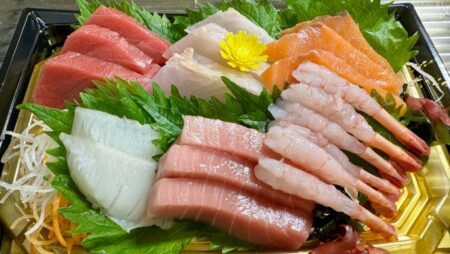
The colors present in a sushi presentation tell you a great deal about what is on the plate before you taste it. Fresh fish has a vibrant, characteristic color that varies by species but shares a quality of brightness and clarity. Tuna should be a deep, even red. Salmon should be a rich, consistent orange. Yellowtail should carry a pale, translucent quality with a faint golden sheen.
Fish that has begun to age loses that brightness. The color becomes duller, slightly greyish at the edges, or uneven across the surface. These are visual signs of oxidation, which begins the moment fish is cut and accelerates when the fish was not particularly fresh to begin with.
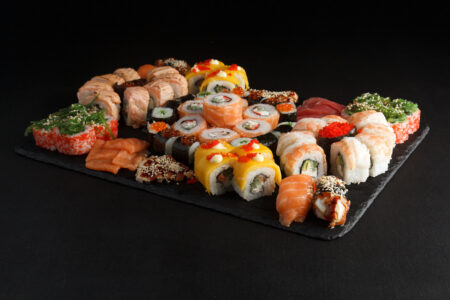
A thoughtfully composed sushi presentation also uses color contrast intentionally. The deep green of shiso leaves, the pale yellow of pickled daikon, the bright orange of tobiko, these elements are not random. They are placed to create visual contrast that draws attention to the fish and makes the overall plate more appealing as a composed object.
Spacing and Arrangement
How individual pieces are arranged on a plate is another dimension of sushi presentation that communicates kitchen values. Pieces placed with consistent spacing and aligned with care signal that the chef considers each item worth presenting deliberately. Pieces dropped onto a plate without arrangement signal the opposite.
In traditional Japanese plating, negative space is used deliberately. Leaving areas of the plate empty is not laziness. It is a technique for directing attention toward what is present rather than filling every available surface. A crowded plate with no breathing room tends to feel visually chaotic regardless of the quality of the individual items.
The shape and material of the plate itself also matters. Japanese tableware is selected to complement the colors and forms of what will be placed on it. A dark ceramic plate amplifies the color of bright fish. A pale ceramic surface allows delicate white fish to remain visually prominent without competing backgrounds.
Garnish: Purposeful vs. Decorative
Garnish in a thoughtful sushi presentation serves a function beyond aesthetics. Shiso leaves carry a mild, herbal flavor that complements fish without overpowering it and also have mild antibacterial properties that have made them a traditional accompaniment to raw fish in Japanese cuisine. Daikon radish, often served shredded beneath sashimi, provides both visual texture and a clean, palate-refreshing quality.
When garnish is purely decorative and adds nothing to the eating experience, it can actually work against the presentation by introducing visual noise. The best sushi presentations include only what belongs there. Every element on the plate has a reason for being present, whether that reason is flavor, texture, visual contrast, or all three.
The Plate Before the Roll: Reading Specialty Rolls Visually
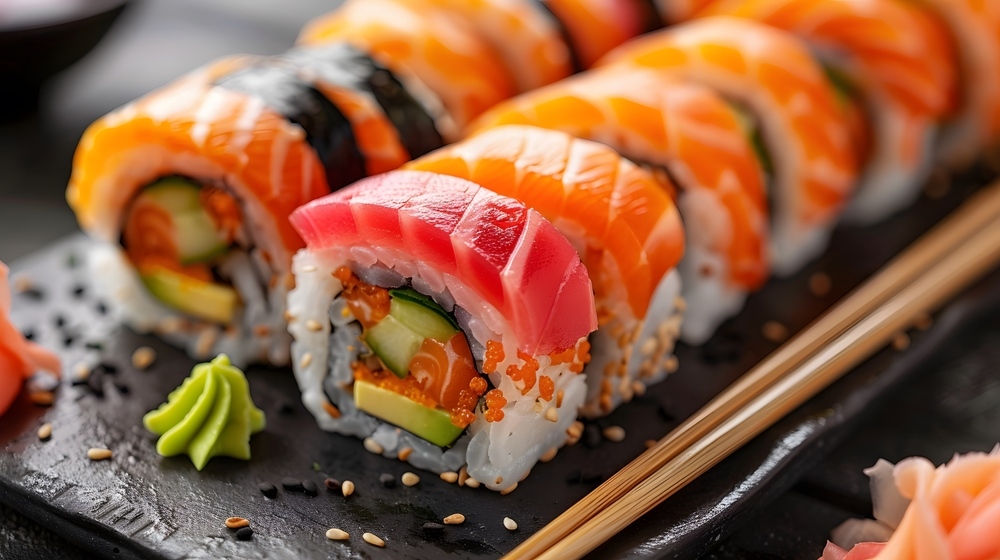
Specialty rolls offer the most visible canvas for sushi presentation because they involve more elements and more deliberate construction. A well-made uramaki roll, sliced cleanly and arranged in a line or arc, communicates precision and care. The cross-section of each piece reveals the interior arrangement of ingredients, and consistency across the pieces shows that the roll was built with even pressure and intention throughout.
Topping placement on specialty rolls is another visual indicator. Fish draped evenly across each piece, tobiko or sauce applied in a consistent pattern, microgreens placed with deliberate spacing, these details distinguish a kitchen working with genuine attention from one assembling rolls as quickly as possible.
A useful read before sitting down to evaluate a full roll order is our post on what sets great sushi rolls apart from forgettable ones, which covers the technical standards behind the visual ones.
What Poor Presentation Actually Signals
A plate that arrives with uneven pieces, compressed or crumbling rice, dull fish, and no visual composition is communicating something real about the kitchen. It does not necessarily mean the food is unsafe or inedible. It does mean the kitchen is not working to a high standard of care, and that same lack of care likely applies to decisions you cannot see from the table.
Presentation is the visible layer of a kitchen’s overall discipline. It is the most accessible signal available to a diner before the meal begins, and it is worth paying attention to.
FAQs
Why does sushi presentation matter?
Sushi presentation reflects the overall care and discipline of the kitchen. A well-composed plate signals attention to ingredient quality, knife technique, and the guest’s full experience. It is a reliable visual proxy for the standards applied across the board.
What does the color of sushi fish tell you?
Fresh fish has vibrant, clear color consistent across the surface. Tuna should be a deep even red, salmon a rich orange, and white fish pale and translucent. Dull, greyish, or uneven color at the edges is a sign of oxidation and indicates the fish may not be at peak freshness.
What is the purpose of shiso leaves in sushi presentation?
Shiso leaves serve both a visual and functional role. They provide green color contrast on the plate and carry a mild herbal flavor that complements raw fish. They have traditionally been used in Japanese cuisine alongside raw fish for their flavor and mild antibacterial properties.
Is negative space intentional in Japanese plating?
Yes. Leaving open areas on a plate is a deliberate technique in Japanese food presentation. It directs the eye toward what is present and creates a sense of visual calm and balance rather than visual clutter.
Does the plate or serving vessel affect the sushi experience?
It does, both visually and practically. Japanese tableware is selected to complement the colors of the food. A dark surface amplifies bright fish colors. A pale surface allows subtle, delicate items to stand out. The vessel is considered part of the overall presentation in Japanese dining culture.
A Plate That Speaks Before You Eat
The way sushi looks when it arrives at the table is not incidental. It is the first communication from the kitchen, and it carries real information about what you are about to eat. Learning to read that communication makes you a more engaged diner and gives you a much clearer sense of whether the plate in front of you reflects genuine craft.
When sushi presentation is taken seriously, the meal begins the moment the plate is set down. If you are looking for that kind of experience, explore what a sushi restaurant built around quality and intentional craft looks like, and come see it in person.