- June 7, 2026
- 10 min read
SUSHI
Table of Contents
- 1. Why the Sushi Menu Feels Unfamiliar at First
- 2. How to Order Sushi: The Four Formats You Need to Know
- 3. How to Read a Sushi Menu Section by Section
- 4. What the Condiments on Your Table Are Actually For
- 5. How Much to Order and in What Sequence
- 6. Options for Diners Who Prefer Cooked Sushi
- 7. Frequently Asked Questions
- 8. One Meal, One Menu, One Clear Path Forward
Sitting down at a sushi restaurant for the first time and facing a menu full of unfamiliar terms is one of the most common dining experiences people quietly dread. Knowing how to order sushi removes that pressure entirely. It is not about memorizing terminology or pretending familiarity you do not yet have. It is about understanding a small number of distinctions that make every decision at the table straightforward from the moment you sit down.
This guide explains those distinctions clearly, walks through what each section of a typical sushi menu contains, and gives you a practical framework for building a confident, well-rounded first order.
1. Why the Sushi Menu Feels Unfamiliar at First
The uncertainty most people carry into a sushi restaurant traces back to a single misconception: that sushi means raw fish. That assumption raises the stakes immediately. The meal starts to feel like a test of willingness rather than simply a food choice.
The truth is that sushi refers to a family of dishes built around vinegared rice. Raw fish is one ingredient that frequently appears alongside that rice, but it is not the definition of the dish. Many widely ordered sushi preparations contain no raw fish at all, and some contain no fish of any kind.
Setting that assumption aside is the first and most useful step toward reading a sushi menu with clarity and confidence.
2. How to Order Sushi: The Four Formats You Need to Know
Before working through any specific menu, it helps to recognize the four preparation formats that appear on almost every sushi menu. According to Webstaurant Store’s breakdown of sushi types, these formats are structurally distinct from one another and each delivers a different eating experience.
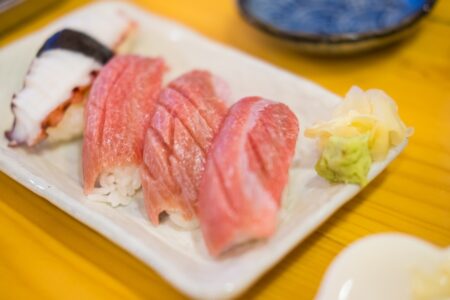
Nigiri A hand-pressed mound of vinegared rice with a single slice of fish or seafood placed across the top. No wrapper, no roll. Nigiri is the most direct format for evaluating the quality of a single fish. It is typically ordered in pairs and eaten in one or two bites.
Maki The standard sushi roll. Vinegared rice and fillings are wrapped in a sheet of dried seaweed called nori, then sliced into bite-sized rounds. A tuna roll, salmon roll, or cucumber roll are all maki. This is the format most diners recognize and the most accessible starting point for a first order.
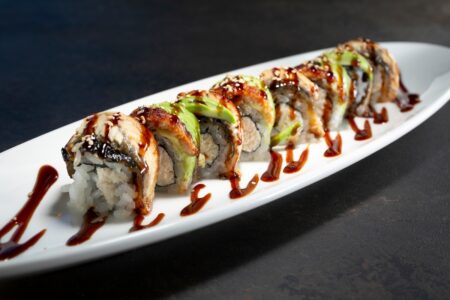
Uramaki (Inside-Out Rolls) A variation where the rice sits on the outside of the roll and the nori wraps the fillings on the inside. Most specialty rolls are built in this format, which allows toppings, sauces, and garnishes to be applied to the rice exterior.
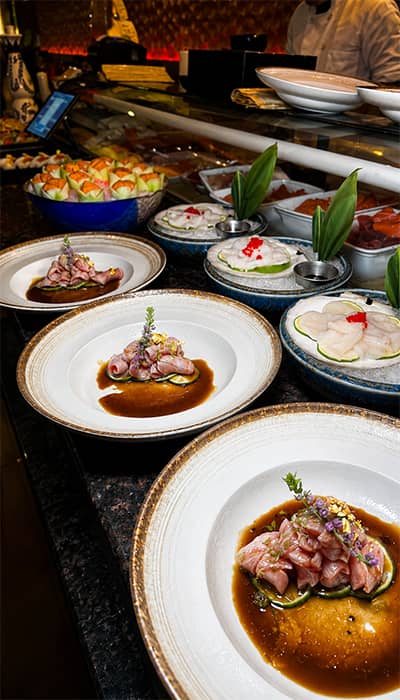
Sashimi Sliced fish served without rice. Sashimi is not technically a form of sushi because it contains no vinegared rice, but it appears on every sushi menu and is worth understanding as its own category. For those curious about what makes a well-constructed piece engaging beyond the fish itself, our post on the role of texture in sushi covers how rice, fish, and nori each contribute differently to the experience of every bite.
3. How to Read a Sushi Menu Section by Section
Most sushi menus follow a consistent structure once you know what to look for. Understanding what each section contains takes the guesswork out of choosing.
Classic Rolls This section features rolls with a limited number of ingredients, typically one protein alongside one or two vegetables. Common options include:
- Tuna roll
- Salmon roll
- Yellowtail roll
- Spicy tuna or spicy salmon
- Cucumber roll
- Avocado roll
These are reliable, straightforward preparations well suited to first-time diners or anyone who prefers a cleaner flavor profile without a lot of layered components.
Specialty or Chef’s Rolls These rolls are more elaborate in construction. They typically feature multiple fillings, toppings such as thinly sliced fish or tobiko, and finishing sauces applied over the top. They tend to be richer and more visually involved than classic rolls. This is where a kitchen reflects its individual character. You can review the full range of available preparations on Masuta’s menu.
Nigiri and Sashimi Items in this section are listed by fish name. Some commonly used Japanese names worth knowing:
- Sake = salmon
- Maguro = tuna
- Hamachi = yellowtail
- Ebi = shrimp
- Hotate = scallop
- Unagi = eel (always served cooked)
Nigiri is sold in pairs. Sashimi is typically sold in portions of three to five slices per fish. If an item is listed without explanation and you are uncertain whether it is raw or cooked, asking your server is always the clearest approach.
4. What the Condiments on Your Table Are Actually For
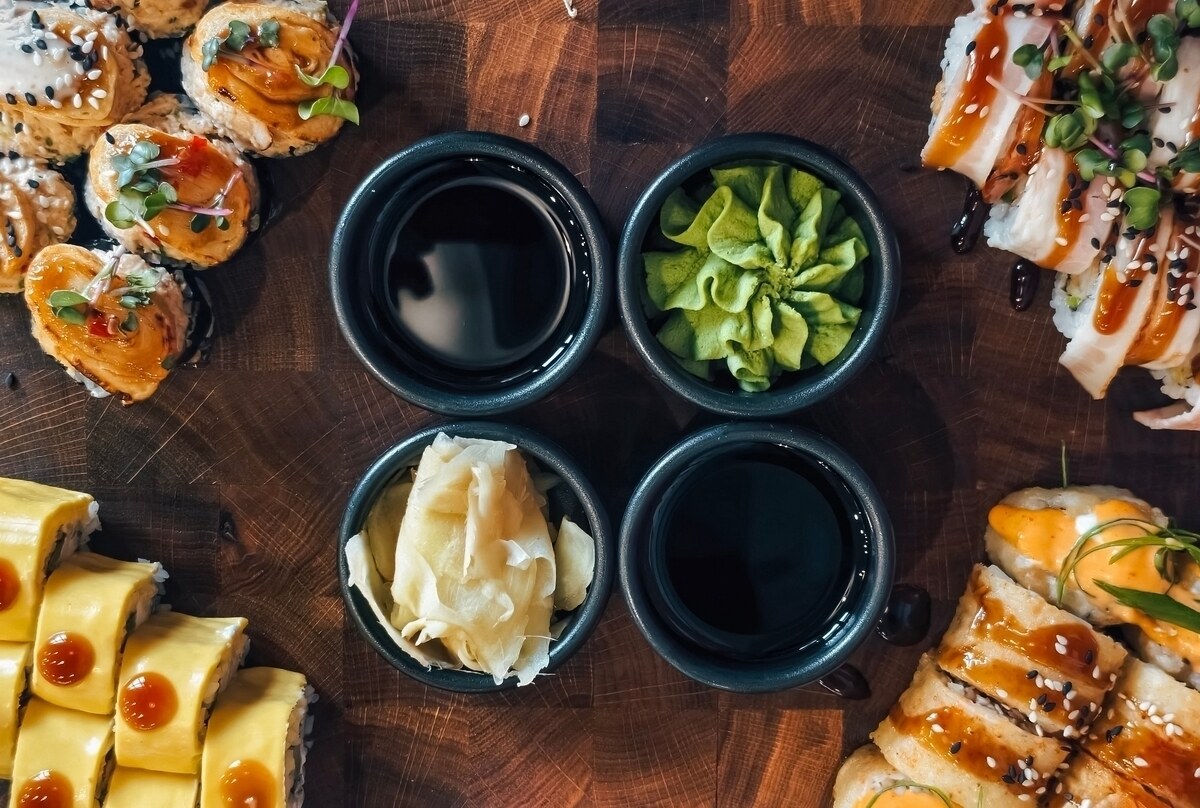
Three items arrive with most sushi orders: soy sauce, wasabi, and pickled ginger. Each one has a specific function, and understanding what that function is changes the quality of every piece you eat.
Soy Sauce The dipping component. For nigiri, the correct method is to turn the piece over and briefly dip the fish face down into the soy sauce, not the rice. Rice absorbs liquid rapidly and will fall apart and become over-salted if submerged. A brief, light contact with the sauce is enough to complement the fish without overriding it.
Wasabi The green paste served alongside the sushi or already applied by the chef between the rice and fish in each nigiri. Sushi chefs apply wasabi in a measured amount during preparation. Mixing additional wasabi directly into the soy sauce dish dilutes the sharpness of the wasabi and alters the flavor of the soy sauce at the same time. If extra heat is preferred, a small amount placed directly onto the fish is the appropriate method.
Pickled Ginger The pale, thinly sliced condiment served on the side. Pickled ginger functions as a palate cleanser between different preparations, not as a topping or side flavor. Eating a small piece between each fish variety resets the palate and allows each new piece to register clearly. Placing it on top of a roll or eating it alongside a piece introduces a competing flavor that was not part of the kitchen’s intention.
5. How Much to Order and in What Sequence
Quantity For a complete dinner, most diners find one of the following combinations satisfying:
- One specialty roll and one classic roll, alongside three to four nigiri
- Two classic rolls with a small sashimi selection
- One specialty roll alongside a broader nigiri assortment
The general principle when learning how to order sushi is to begin with less and add more as the meal develops. Sushi is prepared and served quickly, and additional orders arrive without delay.
Sequence Starting with lighter preparations and moving toward richer flavors keeps the palate engaged throughout the meal. A practical sequence to follow:
- Begin with white fish nigiri or a light classic roll
- Progress to salmon, tuna, or other mid-weight preparations
- Finish with specialty rolls, fatty fish, or heavily sauced items
According to Cleveland Clinic, fish used in sushi, particularly salmon and tuna, provides lean protein alongside omega-3 fatty acids that support cardiovascular health. Choosing fish-forward preparations is among the more nutritionally balanced ways to build a sushi meal.
Sharing Sushi is well suited to shared ordering. Placing several rolls and a nigiri selection at the center of the table gives everyone variety without locking any single diner into one preparation for the entire meal.
6. Options for Diners Who Prefer Cooked Sushi
The concern about raw fish is one of the most common reasons people pause when figuring out how to order sushi for the first time. Most sushi menus include numerous preparations with no raw fish at all.
Fully cooked options available on most menus include:
- Shrimp tempura rolls
- California rolls (typically made with imitation crab)
- Eel rolls (unagi is always served cooked and finished with a sweet glaze)
- Chicken or vegetable rolls
- Tamago nigiri (a sweetened egg omelet placed over rice)
- Baked specialty rolls
According to the FDA’s seafood safety guidance, reputable restaurants follow strict handling and storage protocols for raw fish to ensure food safety before it reaches the table. For diners comfortable with raw fish, those standards provide assurance. For diners who prefer to avoid it entirely, cooked preparations offer a complete and satisfying meal without compromise.
If there is uncertainty about any specific item on the menu, asking the server is always the most direct path to clarity.
7. Frequently Asked Questions
Does all sushi contain raw fish?
No. Sushi is defined by vinegared rice, not raw fish. Many popular preparations including California rolls, shrimp tempura rolls, and eel rolls are made entirely with cooked ingredients. Raw fish appears frequently on sushi menus but is not a requirement of the format.
What is the difference between a roll and nigiri?
A roll wraps rice and fillings inside nori and is sliced into rounds. Nigiri is a hand-pressed mound of rice with a single piece of fish placed on top, eaten in one or two bites without a wrapper. Rolls involve more components and more layered flavors. Nigiri places the focus directly on the fish itself.
How is soy sauce used correctly with sushi?
For nigiri, turn the piece over and dip the fish side briefly into the soy sauce rather than the rice side. Rice absorbs liquid quickly and breaks apart when submerged. For rolls, a light dip of one edge is sufficient. The goal is to accent the flavor of the fish, not overwhelm it.
What is a good starting order for someone new to sushi?
A solid first order includes one classic roll with a recognizable ingredient, two to three nigiri pieces to sample individual fish, and one cooked option if raw preparations are a concern. Starting with a smaller selection and adding more as the meal progresses works better than over-ordering at the outset.
How can you tell if the fish in a sushi dish is fresh?
Fresh sushi fish carries a mild, clean scent without any strong or sour odor. The flesh should appear vibrant in color, firm in texture, and hold its shape cleanly when sliced. A kitchen with high daily turnover and careful sourcing practices will consistently meet these standards.
What does it mean to order omakase?
Omakase is a Japanese phrase meaning “I leave it to you.” In a sushi context, it refers to a dining format where the chef selects and sequences the entire meal based on what is freshest that day. It is an expression of trust between diner and kitchen and is typically offered at dedicated sushi counters rather than standard table service settings.
8. One Meal, One Menu, One Clear Path Forward
Learning how to order sushi is not a process that requires expertise or prior experience. It requires understanding a handful of structural differences that, once clear, make every subsequent visit feel natural.
The four formats, the three condiments, the logic behind sequencing, the availability of fully cooked options: none of these are complicated once they are explained. What makes a sushi menu feel unfamiliar at first is not complexity. It is simply the absence of a framework. The gap between not knowing and knowing is smaller than most people expect, and it closes the moment you understand what the menu is actually offering.
Every well-made sushi meal begins with a clear first order. Everything else builds from there. For a closer look at how these principles come together in a dedicated Japanese fusion kitchen, the sushi restaurant page for Manhattan Beach, Brooklyn offers a useful reference point for what thoughtful sourcing and preparation look like in practice.
Key Takeaways
- Sushi is defined by vinegared rice, not raw fish. Cooked and vegetarian preparations exist across every section of the menu.
- The four main formats are nigiri, maki, uramaki, and sashimi. Each one delivers a structurally and texturally different eating experience.
- Classic rolls are the most accessible entry point. Specialty rolls introduce more complexity and are worth exploring once the basics feel familiar.
- Soy sauce is for a light dip of the fish side only. Wasabi belongs directly on the fish, not mixed into the sauce. Pickled ginger is a palate cleanser used between preparations, not a topping.
- Begin with lighter preparations and move toward richer, more sauced items as the meal develops. Order modestly at first and add more as needed.
- Fully cooked options including shrimp tempura rolls, eel rolls, and tamago nigiri are available on most menus for diners who prefer to avoid raw fish.
The Menu Makes Sense When You Know What You Are Looking At.
Understanding the structure behind a sushi menu is the foundation every confident dining experience is built on.
DISCLAIMER: Consuming raw or undercooked seafood carries food safety risks. Individuals who are pregnant, elderly, immunocompromised, or have underlying health conditions should consult a healthcare provider before consuming raw seafood.
References
- Webstaurant Store. (2026, April 1). Different types of sushi explained: Sashimi, nigiri and more. WebstaurantStore Blog. https://www.webstaurantstore.com/blog/3906/types-of-sushi.html
- Smith, M. (2021, August 25). Is sushi healthy? The best rolls to order. Cleveland Clinic Health Essentials. https://health.clevelandclinic.org/is-sushi-healthy
- U.S. Food and Drug Administration. (2024). Selecting and serving fresh and frozen seafood safely. U.S. Department of Health and Human Services. https://www.fda.gov/food/buy-store-serve-safe-food/selecting-and-serving-fresh-and-frozen-seafood-safely