- June 21, 2026
- 10 min read
SASHIMI
Table of Contents
- 1. A Question Worth Answering Properly
- 2. The Difference Between Sashimi and Sushi: What Each One Actually Is
- 3. How Each Is Prepared and Presented
- 4. How Sashimi and Sushi Compare Nutritionally
- 5. Where Nigiri Fits Between the Two
- 6. Which One to Order and When
- 7. Frequently Asked Questions
- 8. Two Dishes, One Tradition, Different Purposes
Few questions come up more often at a Japanese restaurant than this one: what is the difference between sashimi and sushi? The two appear side by side on every menu, they share many of the same fish, and both are associated with Japanese culinary craft. Yet they are fundamentally distinct preparations that serve different purposes and deliver different experiences at the table.
Understanding the difference between sashimi and sushi does more than satisfy curiosity. It gives every diner a clearer basis for choosing what to order, how to sequence a meal, and what to expect from each preparation when it arrives.
1. A Question Worth Answering Properly
The most common source of confusion around sashimi and sushi is the assumption that both are defined by raw fish. That assumption is understandable but incorrect in both directions.
Sushi does not require raw fish. Its defining characteristic is vinegared rice. A preparation can include cooked seafood, vegetables, or egg and still qualify as sushi, provided vinegared rice is present. Raw fish is a common component of sushi but not a requirement of the category.
Sashimi, on the other hand, never includes rice. It is sliced raw fish or seafood served on its own, with minimal accompaniments. The absence of rice is not incidental. It is what sashimi is. Placing sashimi-grade fish on a bed of vinegared rice changes the dish into a different preparation entirely.
These two foundational points clarify most of the confusion that surrounds both dishes on a Japanese menu.
2. The Difference Between Sashimi and Sushi: What Each One Actually Is
What sashimi is
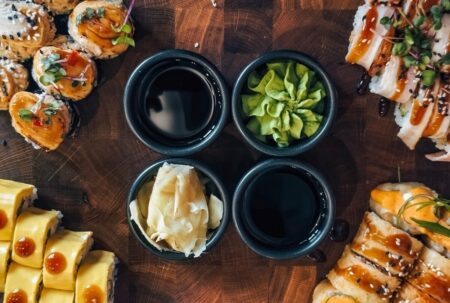
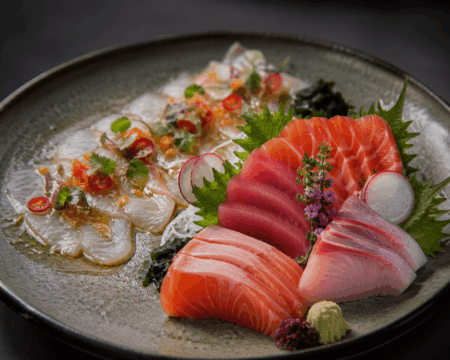
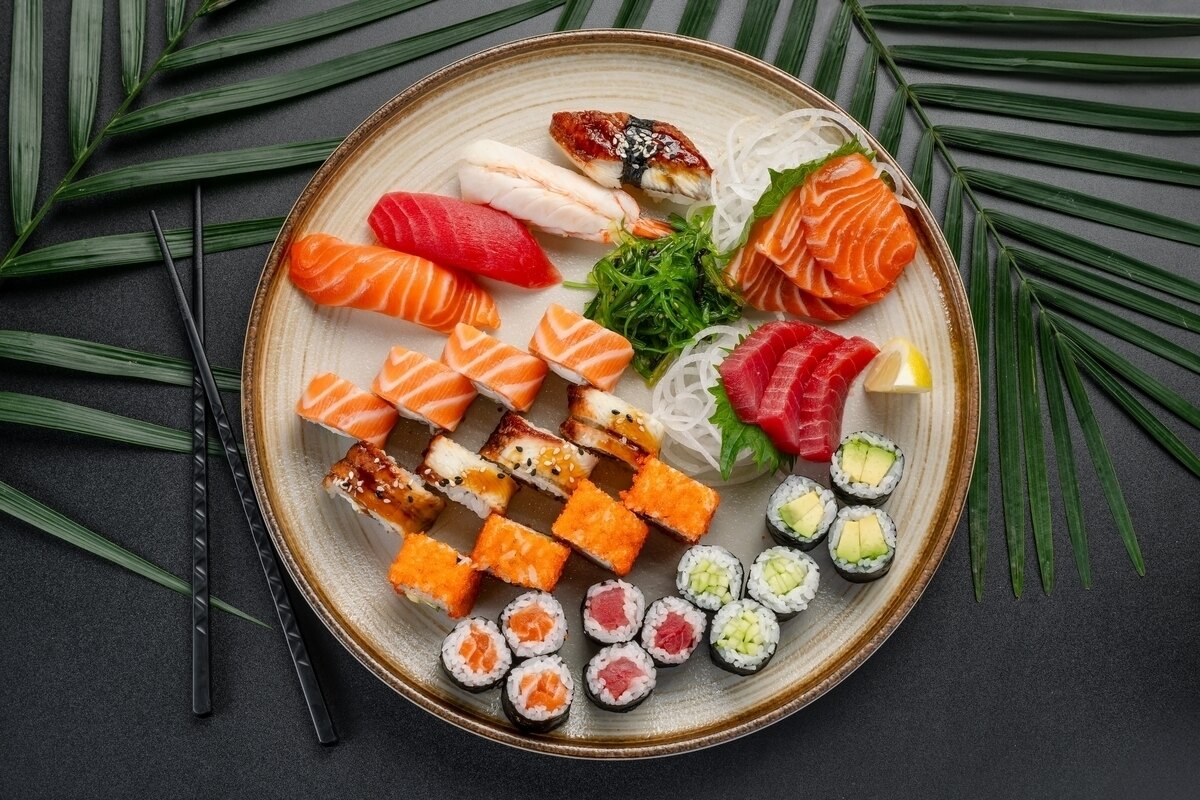
Sashimi is thinly sliced raw fish or seafood served without rice, without a wrapper, and without significant accompanying ingredients. The fish is the entire subject of the dish. Garnishes such as daikon radish, shiso leaf, and wasabi are presented alongside the fish to support rather than compete with it.
The preparation of sashimi demands a high standard of fish quality because there is nothing else on the plate to offset any deficiency. The fish must be fresh, properly handled, and cut with precision. The knife technique used to slice sashimi, typically executed with a yanagiba, is calibrated to preserve the cellular structure of the fish and produce a clean, even slice that holds its shape and delivers the correct texture on the palate.
What sushi is
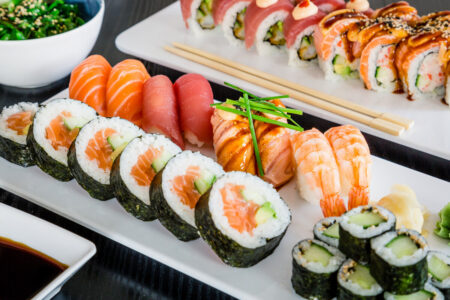
Sushi is any preparation built around vinegared rice. The rice is seasoned with a mixture of rice vinegar, sugar, and salt that gives it a characteristic flavor and a slightly sticky texture that holds the preparation together. The category encompasses several distinct formats:
- Nigiri: hand-pressed rice with a single slice of fish or seafood placed on top
- Maki: rice and fillings rolled in nori and sliced into rounds
- Uramaki: an inside-out roll where rice sits on the exterior
- Temaki: a hand-rolled cone of nori filled with rice and other ingredients
- Chirashi: a bowl of vinegared rice topped with a variety of fish and garnishes
According to Food Network, sashimi is slices of raw, high-quality fish, whereas sushi incorporates raw fish but must include vinegared rice. Sushi can also incorporate fully cooked components such as shrimp tempura, egg, or glazed eel, whereas sashimi always features raw protein exclusively.
3. How Each Is Prepared and Presented
Sashimi preparation
The preparation of sashimi begins with fish selection. Sashimi-grade fish is sourced with the understanding that it will be consumed raw, which means the standards for freshness, handling, and storage are stricter than for fish that will be cooked. The fish is filleted, portioned, and cut to order using technique specific to each species. Tuna is cut differently from salmon, and flounder requires a different angle and thickness than either.
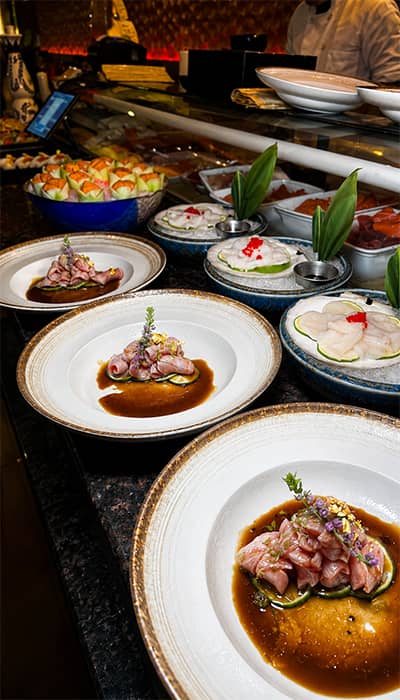
Presentation is considered an integral part of the sashimi experience. A well-composed sashimi plate uses color, arrangement, and garnish to reflect the visual character of each species and signal the care that went into the preparation. Our post on the difference between sashimi and crudo explores how sashimi’s minimalist presentation philosophy compares to other raw fish traditions.
Sushi preparation
Sushi preparation centers on the rice. Properly made sushi rice requires precise ratios of vinegar seasoning, careful cooking to achieve the correct starch development, and controlled cooling to room temperature before use. Rice that is too cold, too dense, or incorrectly seasoned affects every preparation it is used in regardless of the fish quality on top.
Rolls are assembled to order and served close to the time of assembly to maintain the textural integrity of the nori and the rice. Nigiri is formed by hand, with the rice pressed to a specific density that holds its shape when lifted but releases cleanly when bitten.
4. How Sashimi and Sushi Compare Nutritionally
The nutritional difference between sashimi and sushi is significant and stems primarily from the presence or absence of rice.
According to Healthline, sashimi is higher in protein and heart-healthy fats relative to its calorie count because it consists solely of fish. Sushi, because it includes rice and sometimes additional ingredients, is higher in carbohydrates and total calories per serving. A 100-gram portion of smoked salmon sashimi contains approximately 179 calories and 21.5 grams of protein, while a comparable portion of a California roll contains approximately 93 calories but only 3 grams of protein with a much higher carbohydrate load.
Key nutritional distinctions include:
- Sashimi delivers the highest concentration of omega-3 fatty acids per calorie of any standard Japanese preparation
- Sushi provides a more balanced macronutrient profile combining protein, carbohydrate, and fat in a single preparation
- Sashimi is suitable for low-carbohydrate dietary approaches without any modification
- Sushi rice adds sugar and sodium through the seasoning process, which contributes to total sodium and carbohydrate intake across a full meal
- Both preparations deliver lean protein from fish, iodine from any seaweed components, and essential micronutrients depending on the fish species selected
Neither preparation is nutritionally inferior to the other. They serve different dietary needs and eating goals depending on what the diner is looking for from the meal.
5. Where Nigiri Fits Between the Two
Nigiri occupies the space between sashimi and sushi in a way that is worth understanding clearly because it is one of the most commonly ordered items on a Japanese menu and is frequently mischaracterized as sashimi.
Nigiri is a form of sushi. It includes vinegared rice, which places it firmly in the sushi category by definition. The fish placed on top of nigiri is typically the same quality and cut as sashimi, and it is most often served raw, which is why the two are easily confused.
The distinctions between nigiri and sashimi are:
- Nigiri includes rice; sashimi does not
- Nigiri is a one to two bite preparation; sashimi is served in multiple slices per portion
- Nigiri is typically served with a brush of soy sauce or a small amount of wasabi applied by the chef; sashimi is served with condiments on the side
- Nigiri is classified as sushi; sashimi is a standalone dish category
According to WebMD, salmon and tuna are among the most nutritionally valuable fish used across all three preparations, delivering omega-3 fatty acids that support both cardiovascular and cognitive health. Choosing these fish in any of the three formats delivers meaningful nutritional benefit.
You can review how nigiri, sashimi, and rolls appear together on a full Japanese fusion menu at Masuta’s menu.
6. Which One to Order and When
The choice between sashimi and sushi is not a question of quality. Both can be executed at a high level and both reward the same thing: fresh fish, skilled preparation, and thoughtful sourcing. The question is what kind of eating experience you are looking for.
Order sashimi when:
- You want to evaluate the fish directly without rice or other components in the way
- You are managing carbohydrate intake and prefer a protein-focused meal
- You want the most concentrated source of omega-3 fatty acids from the meal
- You are comfortable with raw fish and want the purest expression of a particular species
Order sushi when:
- You want a complete, balanced meal that includes carbohydrate alongside protein
- You prefer the variety of flavors and textures that rolls and nigiri offer
- You want to include cooked options alongside raw preparations in the same order
- You are building a shared meal and want a range of preparations at the table
Both can appear in the same meal. A sashimi order alongside a classic roll and one or two nigiri gives a full table experience that covers every dimension of what Japanese cuisine offers. For diners near Coney Island exploring sashimi for the first time, the sashimi restaurant page for Coney Island, Brooklyn offers additional context on what quality sashimi looks like in practice.
7. Frequently Asked Questions
Is sashimi a type of sushi?
No. Sashimi is a separate dish category. Sushi is defined by the presence of vinegared rice. Because sashimi contains no rice, it does not qualify as sushi regardless of the fish used. The two share many of the same fish but represent distinct preparations with different purposes.
Can you order sashimi if you prefer not to eat raw fish?
Sashimi is always raw. It is not prepared with cooked fish. Diners who prefer cooked preparations are better served by sushi options that include cooked components such as shrimp tempura, glazed eel, or tamago.
What makes a fish sashimi grade?
Sashimi-grade fish meets a higher standard of freshness, handling, and sourcing than fish intended for cooking. It is typically caught using methods that minimize stress and deterioration, iced immediately after catch, and stored under strict temperature controls through the supply chain.
Is sashimi more expensive than sushi?
Generally yes. Sashimi requires a larger portion of high-quality fish per serving since there is no rice to add volume. The knife work required for sashimi is also more technically demanding, and the preparation time per plate is longer. These factors are reflected in the price.
Which has more protein, sashimi or sushi?
Sashimi delivers more protein per calorie than most sushi preparations because it contains only fish. A sushi roll includes rice, which adds carbohydrates and dilutes the protein-to-calorie ratio of the preparation. For protein concentration, sashimi is the stronger choice.
Do sashimi and sushi use the same fish?
Largely yes. Salmon, tuna, yellowtail, and other common species appear in both. The fish used for sashimi must meet sashimi-grade standards because it is consumed raw without any accompanying ingredients to offset any quality shortfall. The same fish used in rolls benefits from the same quality standard even though other components are present.
8. Two Dishes, One Tradition, Different Purposes
Sashimi and sushi come from the same culinary tradition and share a deep commitment to fish quality, freshness, and preparation skill. What separates them is not hierarchy but purpose. Sashimi asks the fish to speak entirely on its own terms. Sushi asks the fish to participate in something larger, alongside rice, nori, and whatever else the preparation brings together.
Understanding the difference between sashimi and sushi does not require expertise. It requires knowing what you are looking for from the meal. Once that is clear, every other decision at the table follows from it naturally.
Both dishes reward the same diner quality: willingness to pay attention to what is on the plate. The fish, the cut, the temperature, and the sourcing all communicate something to anyone listening closely enough to hear it.
Key Takeaways
- Sushi is defined by vinegared rice, not raw fish. Sashimi is defined by the absence of rice and the primacy of the fish itself.
- The difference between sashimi and sushi is structural, not hierarchical. Neither preparation is superior to the other.
- Sashimi delivers more protein and omega-3 fatty acids per calorie. Sushi provides a more balanced macronutrient profile that includes carbohydrate alongside protein.
- Nigiri is a form of sushi, not sashimi, because it includes vinegared rice. It bridges the two categories in terms of fish quality and eating experience.
- Sashimi-grade fish meets stricter sourcing and handling standards because it is served raw without any accompanying ingredients to offset quality shortfall.
- The choice between sashimi and sushi comes down to what kind of eating experience the meal calls for, not which one is better.
- Both preparations reward fresh fish, precise knife work, and thoughtful sourcing equally.
The Difference Becomes Clear the Moment You Taste Both.
Understanding each preparation on its own terms is the foundation of a more rewarding Japanese dining experience.
DISCLAIMER: Consuming raw or undercooked seafood carries food safety risks. Individuals who are pregnant, elderly, immunocompromised, or have underlying health conditions should consult a healthcare provider before consuming raw seafood.
References
- Ajmera, R. (2021, September 3). Sushi vs. sashimi: What's the difference? Healthline. https://www.healthline.com/nutrition/sushi-vs-sashimi
- Food Network Kitchen. (2023). Sashimi vs sushi. Food Network. https://www.foodnetwork.com/how-to/packages/food-network-essentials/sashimi-vs-sushi
- WebMD Editorial Contributors. (2023). Best and worst sushi for your health. WebMD. https://www.webmd.com/diet/ss/slideshow-best-worst-sushi-health