- Masuta Japanese Fusion Restaurant
- September 27, 2026
- 15 min read
SASHIMI
Table of Contents
- 1. Why Sashimi Restaurants Vary More Than Most People Expect
- 2. Sourcing Transparency as a Primary Signal
- 3. Menu Structure as a Quality Indicator
- 4. How the Fish Looks When It Arrives
- 5. What the Knife Work Tells You
- 6. The Condition of the Rice at a Sashimi Restaurant
- 7. How the Staff Talks About the Fish
- 8. The Significance of Rotating Daily Specials
- 9. What the Condiment Setup Communicates
- 10. How to Evaluate a Sashimi Restaurant Over Multiple Visits
- 11. Frequently Asked Questions
Not every restaurant that serves sashimi is a sashimi restaurant in any meaningful sense. Many menus include sashimi as a category without the kitchen having made the sourcing, handling, and preparation commitments that the word implies. Understanding what separates a genuinely great sashimi restaurant from one that simply lists sashimi on the menu gives you a reliable framework for choosing where to eat and what to expect when you sit down.
1. Why Sashimi Restaurants Vary More Than Most People Expect
Sashimi is one of the most quality-sensitive foods in any culinary tradition. The absence of cooking means that every variable in the supply chain from catch to plate is expressed directly in the eating experience. There is no heat to smooth over inconsistencies in freshness, no sauce to compensate for weak flavor, and no complex preparation to distract from mediocre raw material.
This sensitivity makes the quality range across sashimi restaurants exceptionally wide. A kitchen that sources exceptional fish, handles it with precision, and maintains proper cold chain and preparation standards produces sashimi that is genuinely transformative. A kitchen that treats sashimi as a low-effort premium item, sourcing from a general distributor and applying minimal preparation attention, produces something that technically qualifies as raw fish but delivers none of what makes sashimi worth eating.
The gap between these two standards is one of the largest quality differentials in the restaurant industry and the primary reason that evaluating a sashimi restaurant carefully before committing to it is worthwhile.
2. Sourcing Transparency as a Primary Signal
The single most reliable indicator of a great sashimi restaurant is willingness to talk about where the fish comes from. Kitchens that take sourcing seriously know their supply chain and are comfortable discussing it. Those that do not tend to be vague or deflective when asked.
A sashimi restaurant that can tell you the species by its correct Japanese name, identify the region where the fish was sourced, and confirm whether it was handled to parasite reduction standards is communicating that sourcing is a deliberate and informed decision rather than a default purchase from whichever supplier offers the lowest price.
This transparency does not require an interrogation. A simple question to the server asking where the tuna or salmon comes from tells you a great deal about the kitchen’s relationship with its supply chain. A specific, confident answer is a strong signal. A vague response or a redirect to the menu description is a weaker one.
3. Menu Structure as a Quality Indicator
The way a sashimi restaurant structures its menu communicates its priorities before a single piece of fish is ordered. A menu that names species specifically, distinguishes between cuts where relevant, and includes a rotating daily section based on availability is communicating that the kitchen is working with what is genuinely best rather than maintaining a fixed list regardless of quality.
A menu that offers sashimi in generic categories, lists the same fixed selection year-round without seasonal variation, and provides no information about where the fish is sourced is communicating the opposite. In a food category where seasonal availability and daily quality variation matter as much as they do in sashimi, a completely static menu is itself a quality signal.
The length of the sashimi menu is also worth noting. A great sashimi restaurant does not necessarily offer the longest selection. It offers what the kitchen can source and prepare to the standard the cuisine demands. A focused menu of six to eight species sourced with care is often a stronger quality signal than a menu of twenty species that requires sourcing from multiple general suppliers to sustain.
4. How the Fish Looks When It Arrives
The appearance of the sashimi when it is placed in front of you is one of the most accessible and reliable quality evaluations available at the table. Several visual elements communicate the standard of the kitchen clearly.
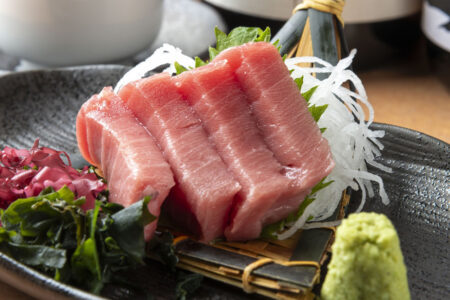
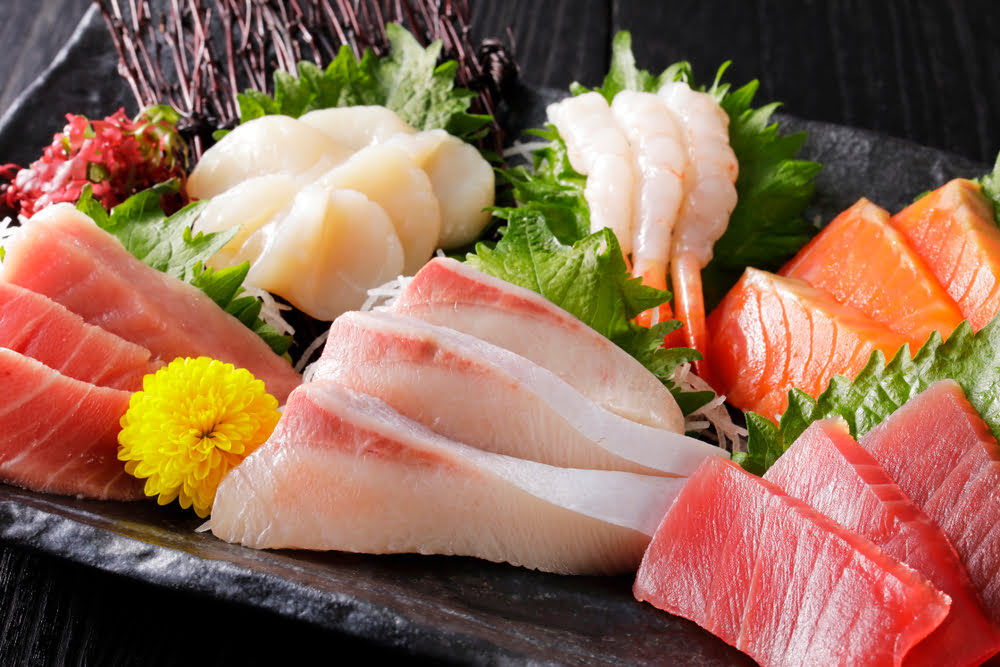
Color: Each species should display vibrant, consistent color throughout the slice with no greyish tinting at the cut edges. Tuna should be a deep, even red. Salmon should be a rich, consistent orange with visible fat striations. White fish should appear almost translucent in places with a clean, pale surface. Any dullness or inconsistency in color indicates oxidation that suggests the fish has been sitting past its optimal window.
Surface condition: The surface of freshly cut sashimi has a slight natural moisture that reflects light evenly. A dry or tacky surface indicates that the fish was cut some time before serving and has been exposed to air longer than is ideal at a quality sashimi restaurant.
Cut consistency: Slices of the same species should be close to uniform in thickness across the plate. Inconsistent thickness signals either a dull knife or a hurried hand, neither of which is consistent with a kitchen operating to a high standard.
For a detailed guide to what each visual element communicates, our post on how to taste sashimi properly covers the full visual and sensory evaluation process in detail.
5. What the Knife Work Tells You
The quality of the knife work at a sashimi restaurant is visible on every plate and reveals a great deal about the kitchen’s preparation standards. The edges of each slice carry clear information about the sharpness of the blade and the technique of the person who made the cut.
Clean, smooth edges on the cut surface of each slice indicate a sharp blade drawn through the fish in a single motion. Ragged, compressed, or slightly torn edges indicate a dull blade or a sawing motion, both of which damage the cellular structure of the flesh and accelerate oxidation at the cut surface.
Consistency across pieces is equally important. A great sashimi restaurant produces plates where every piece of the same species is close to identical in thickness and visual presentation. Variation across pieces on the same plate suggests that preparation is not receiving the level of attention that sashimi demands.
6. The Condition of the Rice at a Sashimi Restaurant
While sashimi itself does not include rice, most sashimi restaurants also serve sushi, and the condition of the sushi rice is one of the most reliable indicators of overall kitchen standards available at the table.
Rice that is properly seasoned, held at the correct temperature, and shaped with the right pressure communicates that the kitchen applies detailed attention to every preparation, not just the most visible ones. Rice that is cold, under-seasoned, or dense from over-packing communicates the opposite.
A kitchen that maintains rigorous standards for rice preparation is more likely to apply the same rigor to fish sourcing, handling, and cutting. The rice is visible evidence of whether the kitchen operates to a consistent standard across all preparations or only to a high standard for the most expensive items on the menu.
7. How the Staff Talks About the Fish
The knowledge and confidence with which staff at a sashimi restaurant discuss the fish on the menu is a direct reflection of how the kitchen approaches its work. At a great sashimi restaurant, servers can answer specific questions about what species are on the menu today, what is freshest, how a particular species tastes, and what the kitchen recommends.
This knowledge does not appear by accident. It is the result of a kitchen that briefs its staff on the fish arriving each day, values that communication as part of the service standard, and treats the dining experience as something that begins with informed conversation rather than a transaction at the table.
A server who does not know what species are available as sashimi today, cannot describe the flavor profile of any item on the menu, and does not know where the fish comes from is a server who has not been equipped with the information a serious sashimi restaurant provides.
8. The Significance of Rotating Daily Specials
One of the clearest quality signals at a sashimi restaurant is a daily specials section that changes based on what arrived freshest that morning. This practice communicates that the kitchen purchases based on quality rather than convenience, maintains active relationships with suppliers who communicate daily availability, and treats the menu as a live document responsive to what is genuinely best rather than a fixed list.
A sashimi restaurant without any form of rotating or daily offering is making a different statement. It is telling you that the menu is determined by logistical consistency rather than by quality optimization. This is not necessarily a sign of poor quality, but it is a sign of different priorities, and at the level of quality that great sashimi demands, those priorities matter.
9. What the Condiment Setup Communicates
The condiments provided at a sashimi restaurant and how they are presented communicate something about the kitchen’s standards. A great sashimi restaurant provides wasabi that is real, or at least clearly identified, and soy sauce that is of good quality and served in a way that encourages light, intentional use rather than generous dipping.
Fresh wasabi, grated from the actual wasabi rhizome, is a meaningful differentiator. Most restaurants outside Japan serve a horseradish-based substitute, which is acceptable but different in flavor from the real thing. A sashimi restaurant that serves real wasabi is making a statement about its commitment to the details that most diners never think to ask about.
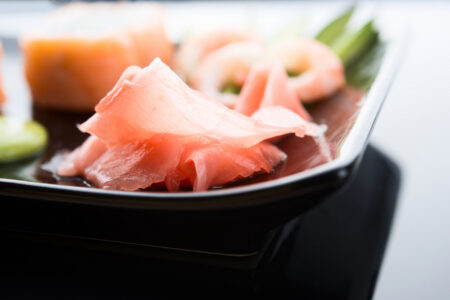
The quality and freshness of pickled ginger is another small but telling indicator. Freshly made gari has a clean, lightly sweet and sour flavor that complements its palate-cleansing function. Pre-made gari that has been sitting in storage has a flat, overly sweet quality that reflects the same lack of attention to detail that appears in other aspects of a kitchen operating below the level a great sashimi restaurant should maintain.
10. How to Evaluate a Sashimi Restaurant Over Multiple Visits
A single visit to a sashimi restaurant provides a snapshot, not a complete picture. Quality can vary based on what arrived fresh that day, who was working the kitchen, and other variables that make any single experience an incomplete evaluation.
A more reliable assessment develops over two or three visits spaced across different days and different times of service. Consistency is the quality that matters most at a great sashimi restaurant. A kitchen that delivers exceptional sashimi on one visit and mediocre sashimi on the next is not a kitchen operating to the standard a serious sashimi restaurant maintains. Consistency across visits, across service periods, and across different fish species is the mark of a kitchen that has built quality into its systems rather than achieving it occasionally by circumstance.
For context on what a fully developed sourcing and preparation system looks like from end to end, our post on what happens to sashimi quality between the ocean and your plate covers every stage of the chain that determines what a great sashimi restaurant puts in front of you.
11. Frequently Asked Questions
What is the most important thing to look for in a sashimi restaurant?
Sourcing transparency is the most reliable primary indicator. A sashimi restaurant that can tell you specifically where its fish comes from, what species are freshest today, and how the fish has been handled is communicating a level of sourcing commitment that is the foundation of every other quality signal at the table.
How can I tell if the sashimi fish is fresh before eating it?
Look for vibrant, consistent color with no greyish edges, a moist and slightly glistening surface condition, and clean smooth edges on the cut surface. The scent of the fish, if you briefly bring the piece close, should be mild and oceanic with no pronounced fishiness. These visual and olfactory signals are accessible without any specialized equipment or training.
Does a longer sashimi menu mean a better sashimi restaurant?
Not necessarily. A focused menu of six to eight carefully sourced species is often a stronger quality signal than an extensive menu that requires sourcing from multiple general suppliers to sustain. Quality at a great sashimi restaurant comes from the standard applied to each species, not the total number of species offered.
Why does the rice quality matter at a sashimi restaurant?
The condition of the sushi rice reflects the overall preparation standards of the kitchen. A kitchen that applies detailed attention to rice seasoning, temperature, and texture is more likely to apply the same standard across fish sourcing, handling, and cutting. Rice quality is visible evidence of whether the kitchen’s attention to detail extends across all preparations or only to the most expensive items.
How many visits does it take to evaluate a sashimi restaurant fairly?
Two to three visits across different days and service periods provide a much more reliable picture than a single visit. Consistency across visits is the quality that distinguishes a great sashimi restaurant from one that achieves occasional excellence by circumstance rather than by systematic commitment to standards.
Key Takeaways
- The quality range across sashimi restaurants is exceptionally wide because the absence of cooking means every variable in the supply chain from catch to plate is expressed directly in the eating experience.
- Sourcing transparency is the most reliable primary indicator. A sashimi restaurant that can discuss its supply chain specifically and confidently is communicating a level of sourcing commitment that is the foundation of every other quality signal.
- Menu structure reflects priorities. A rotating daily specials section communicates that the kitchen purchases based on quality rather than convenience, while a completely static year-round menu communicates the opposite.
- A focused menu of carefully sourced species is often a stronger quality signal than an extensive menu that requires sourcing from multiple general suppliers to sustain.
- Visual quality of the fish when it arrives, including color consistency, surface moisture, and cut edge cleanliness, provides reliable information about freshness and preparation standards accessible to any diner.
- Knife work visible on the plate communicates both blade sharpness and technique. Clean smooth edges indicate a sharp blade used correctly. Ragged or compressed edges indicate the opposite.
- The condition of the sushi rice at a sashimi restaurant reveals whether the kitchen’s attention to detail extends across all preparations or only to the most expensive items on the menu.
- Staff knowledge about the fish reflects whether the kitchen treats informed service as part of its standard. A server who cannot describe any item or identify what is freshest has not been equipped by a kitchen that values this communication.
- Real wasabi and fresh pickled ginger are small but telling indicators of the level of detail the kitchen applies across the full dining experience.
- Consistency across multiple visits is the most reliable evaluation available. A kitchen that maintains its standard across different days and service periods has built quality into its systems rather than achieving it occasionally by circumstance.
Find the Standard at the Table
A genuinely great sashimi restaurant is worth finding and worth returning to. Explore what a sushi restaurant in Brooklyn, NY committed to proper sourcing, careful preparation, and consistent quality looks like. Come in, ask the questions, and let the plate give you its answer.
DISCLAIMER: Consuming raw or undercooked seafood carries food safety risks. Individuals who are pregnant, elderly, immunocompromised, or have underlying health conditions should consult a healthcare provider before consuming raw seafood.
References
- Seafood Health Facts. Seafood safety and quality standards. https://www.seafoodhealthfacts.org/seafood-safety/general-public/seafood-safety-basics
- Serious Eats. Japanese knife technique and fish quality evaluation. https://www.seriouseats.com/japanese-knife-guide-types