Choosing the best sushi restaurant isn’t just about popularity or presentation. It’s about quality, technique, and attention to detail. With so many options available, you might be wondering how to tell which restaurant truly delivers freshness and craftsmanship.
In this guide, you’ll learn what defines a best sushi restaurant, what signs to look for before ordering, and how to avoid common mistakes. Once you understand the fundamentals, it becomes much easier to recognize quality from the first bite.
What Defines a Best Sushi Restaurant?
A best sushi restaurant focuses on three essential elements: fresh fish, properly prepared rice, and skilled technique. When these elements are balanced, the result is clean flavor, smooth texture, and a satisfying experience.
Freshness protects both taste and safety. Proper technique ensures balance. Attention to detail creates consistency. Together, these factors separate exceptional sushi from average options.
Fresh Fish Is Non-Negotiable
At any best sushi restaurant, freshness is the foundation. Without high-quality fish, nothing else matters.
Here are signs the fish is fresh:
Mild ocean scent rather than a strong “fishy” smell
Bright, natural color without browning or discoloration
Firm texture that holds its shape
Clean, glossy appearance
According to the U.S. Food & Drug Administration’s advice about eating fish, proper seafood handling and temperature control are essential for maintaining safety and quality.
If the fish looks dull, dry, or overly wet, that’s a red flag.
The Rice Should Be Perfectly Balanced
Many diners focus only on the toppings. However, a best sushi restaurant treats rice as equally important.
High-quality sushi rice should be:
Slightly warm or at room temperature
Lightly seasoned with balanced vinegar
Soft but structured
Never dry or overly packed
The rice should gently hold together without feeling dense. When rice is too cold or bland, it disrupts the harmony of the dish. Skilled chefs understand that sushi is about balance, not just ingredients.
If the rice tastes flat or crumbly, the restaurant may be cutting corners.
Knife Skills Reveal Experience
Sushi is precision cuisine. Clean slicing preserves texture and enhances flavor.
Look closely at the fish:
Are slices even and smooth?
Do edges look clean rather than torn?
Are portions balanced with the rice?
In a best sushi restaurant, every piece looks intentional. Rough cuts or uneven portions often suggest rushed preparation.
Presentation also matters. Sushi doesn’t need to be flashy, but it should look clean and thoughtfully arranged.
Menu Structure Tells a Story
A well-designed menu reflects focus and culinary direction.
You’ll often see:
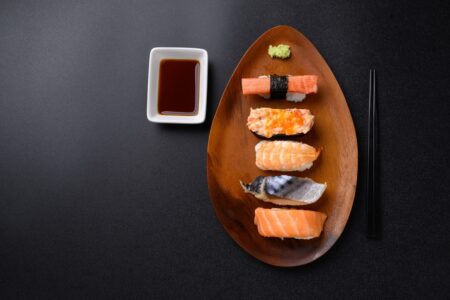
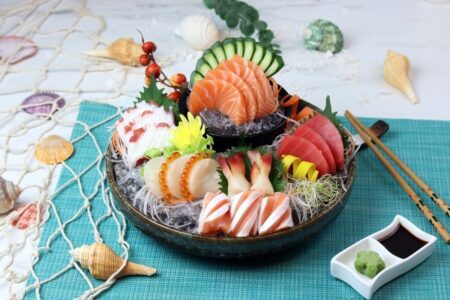
Traditional nigiri and sashimi
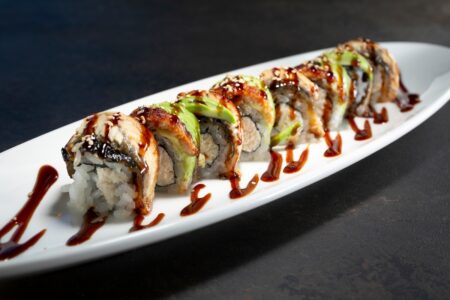
Classic rolls
Seasonal selections
A few creative or fusion options
If the menu is overwhelmingly large or overloaded with heavy sauces, it may distract from ingredient quality. A best sushi restaurant emphasizes freshness and balance rather than hiding flavors.
That doesn’t mean creativity is bad. Fusion can be excellent when flavors complement rather than overpower the fish.
The Importance of Seasonality in Sushi
One often overlooked factor when choosing a best sushi restaurant is seasonality. Just like produce, seafood has peak seasons when flavor and texture are at their best.
Fish that is in season typically offers:
Cleaner taste
Better natural fat balance
Improved texture
More consistent quality
Restaurants that rotate specials based on availability often demonstrate attention to freshness rather than relying on the same frozen inventory year-round.
Seasonality also shows respect for traditional Japanese dining principles, where ingredients are chosen to reflect the time of year. When a menu includes rotating selections or chef-curated options, it can signal a commitment to sourcing thoughtfully rather than simply offering volume.
If you notice changing specials or limited seasonal offerings, that’s often a positive sign of quality and awareness.
Cleanliness and Organization Matter
Quality extends beyond the plate. Pay attention to the environment.
Consider:
Is the sushi bar clean and organized?
Do staff handle ingredients carefully?
Is seafood stored properly?
Even small details, like how utensils are presented or how quickly dishes arrive, reflect overall standards. Consistency signals professionalism.
Reviews Should Be Specific
When searching for a best sushi restaurant, online reviews can help—but read them critically.
Look for consistent mentions of:
Freshness
Rice quality
Chef skill
Cleanliness
Flavor balance
Avoid relying on vague praise like “amazing” or “the best ever.” Specific feedback about texture and preparation is more meaningful.
Traditional vs. Fusion Sushi
You may notice some restaurants lean traditional while others explore fusion flavors.
Traditional sushi emphasizes simplicity and seasonal ingredients. Fusion blends global influences with Japanese technique.
A best sushi restaurant doesn’t need to choose one or the other. What matters is execution. If flavors are balanced and ingredients remain the focus, both styles can deliver quality.
Overpowering sauces, however, may mask lower-quality fish.
Why Freshness Impacts Flavor and Safety
Fresh fish delivers clean, delicate flavor. Poorly handled seafood creates unpleasant textures and odors.
Food safety authorities emphasize that proper storage temperatures are essential for seafood quality, as outlined in USDA food safety guidelines. When fish is handled correctly, you taste clarity rather than heaviness.
That clarity is often the hallmark of a best sushi restaurant.
Common Mistakes When Choosing Sushi
Many diners unintentionally judge sushi incorrectly.
Here are common mistakes:
Choosing based only on décor
Prioritizing low prices over quality
Assuming larger menus equal better options
Ignoring the rice
Ordering only heavily sauced rolls
Sushi is subtle. The best experiences highlight freshness and technique rather than distraction.
FAQs
How can I tell if a sushi restaurant is high quality?
Look for fresh-looking fish, balanced rice, clean presentation, and consistent positive reviews mentioning texture and flavor.
Should sushi rice be warm or cold?
It should typically be served slightly warm or at room temperature to balance the fish.
Is expensive sushi always better?
Not always. Price can reflect sourcing and quality, but preparation technique matters just as much.
What does omakase mean?
Omakase means “I’ll leave it up to you.” It allows the chef to select dishes based on what is freshest that day.
Understanding Quality Sushi Starts with the Right Questions
Finding a best sushi restaurant becomes easier once you know what to evaluate. Focus on freshness, rice quality, knife precision, menu structure, and overall cleanliness. When these elements align, you’re likely dining somewhere that values craftsmanship.
Sushi is about harmony. The right restaurant delivers balance in every bite.
Curious about different sushi styles or preparation techniques? Explore more educational guides to better understand what defines quality dining.