- Masuta Japanese Fusion Restaurant
- October 11, 2026
- 15 min read
Sushi
Table of Contents
- 1. Why Sushi Rice Is Different From Everyday Cooked Rice
- 2. How Japanese Short-Grain Rice Affects Texture
- 3. Sushi Rice vs Regular Rice: Understanding the Differences
- 4. Why Seasoned Rice for Sushi Uses Vinegar, Sugar, and Salt
- 5. How Rice Starch Creates the Right Consistency
- 6. Why Rice Temperature Matters During Preparation
- 7. How Washing and Cooking Affect the Finished Rice
- 8. Common Mistakes That Change Rice Texture and Flavor
- 9. Can You Make Sushi With Regular Rice?
- 10. How Rice Complements Different Sushi Preparations
- 11. Frequently Asked Questions
Have you ever wondered why the rice in a sushi roll tastes different from the rice you serve with an everyday meal? At first glance, the grains may look similar, but sushi rice has a particular balance of texture, moisture, and seasoning that helps bring the entire dish together.
The difference is not simply that one type of rice is sticky and the other is not. The variety of grain, how it is washed and cooked, and what happens after cooking all influence the finished result. Even small details, such as how the rice is cooled or handled, can change how it feels when you take a bite.
If you are curious about the preparation behind your favorite rolls or nigiri, understanding the attention chefs give to each stage of sushi preparation offers a useful starting point.
1. Why Sushi Rice Is Different From Everyday Cooked Rice
The easiest way to understand the difference is to think about what each preparation needs to accomplish.
When you cook rice for a regular meal, you might want it fluffy, separate, or soft enough to accompany vegetables, meat, or another main dish. Depending on what you are eating, a neutral flavor may be exactly what you want.
Rice prepared for sushi has a different job. It needs to hold together when shaped or rolled while remaining tender enough to eat comfortably. It also contributes its own flavor rather than simply sitting beneath the other ingredients.
That is why choosing an appropriate grain is only the beginning. The cooking method, seasoning, and handling all influence how the finished rice works with seafood, vegetables, and other fillings.
The key difference is that rice used for sushi is prepared as an essential part of the dish, not merely as a side ingredient.
2. How Japanese Short-Grain Rice Affects Texture
Not all rice varieties behave the same way when cooked.
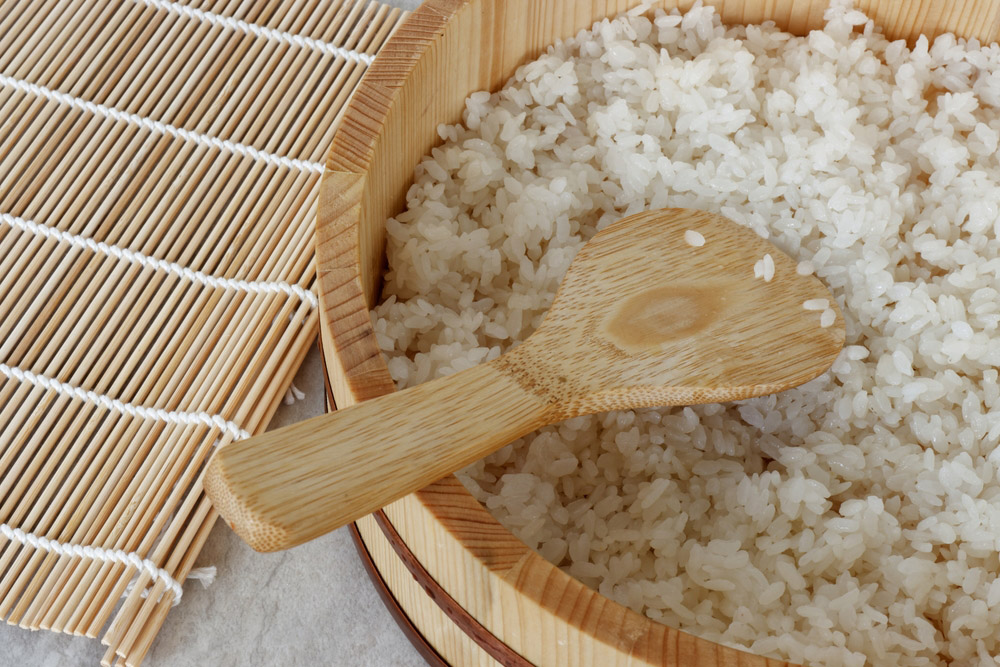
Japanese short-grain rice is commonly preferred for sushi because its grains develop a cohesive texture that makes shaping and rolling easier. The grains are relatively short and plump, and they tend to cling together without needing to become a completely uniform mass.
This matters when you pick up a piece of nigiri or bite into a roll. The rice needs enough cohesion to maintain its shape, but it should still feel like individual grains in your mouth.
According to The Rice Association, Japonica rice includes short-grain varieties known for their softer, stickier cooked characteristics.
You may also encounter medium-grain varieties that can work for certain preparations, depending on their properties. However, simply choosing any rice labeled sticky does not guarantee the same result.
For example, glutinous rice, sometimes called sweet rice, has a different texture and is generally used for other dishes. Its unusually sticky consistency is not what traditional sushi preparation is trying to achieve.
The goal is cohesion with a pleasant grain structure, not rice that feels gummy or overly compressed.
3. Sushi Rice vs Regular Rice: Understanding the Differences
Here is something that often surprises people: the same uncooked grain can be used for an ordinary bowl of rice or prepared for sushi.
In other words, the distinction is not always between two completely different agricultural products. Sometimes, it is the preparation that changes the final dish.
Imagine cooking two portions of the same Japanese-style short-grain variety. You leave the first portion plain and serve it alongside a meal. You prepare the second with a balanced vinegar-based seasoning and handle it carefully as it cools.
Although both started with the same grain, they now have noticeably different flavors and culinary purposes.
Plain rice may offer a gentle sweetness and a relatively neutral flavor. Rice prepared for sushi introduces a delicate combination of acidity, sweetness, and saltiness.
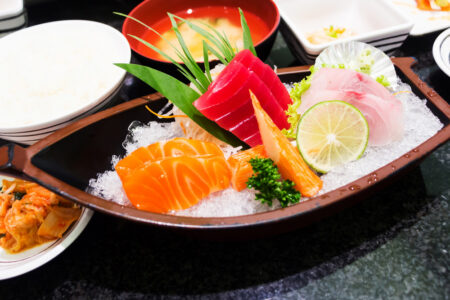
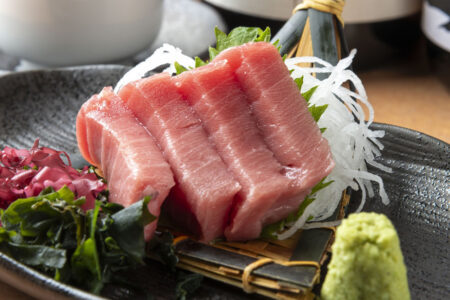
That distinction also helps explain why rice changes the experience of eating sushi compared with sashimi. Sashimi is generally served without the seasoned rice that defines sushi.
The main takeaway is simple: the grain matters, but the preparation is what gives the finished rice its particular character.
4. Why Seasoned Rice for Sushi Uses Vinegar, Sugar, and Salt
Seasoning is one of the clearest differences between rice prepared for sushi and an ordinary bowl of cooked rice.
A traditional seasoning mixture commonly combines rice vinegar, sugar, and salt. Each ingredient contributes something different.
The vinegar introduces a gentle acidity. Sugar balances that sharpness, while salt helps round out the overall flavor. Together, they create rice that complements other ingredients without needing to overpower them.
The balance can vary depending on the preparation, personal preference, or regional tradition. Some versions taste noticeably sweeter, while others place greater emphasis on acidity.
Japan’s Ministry of Agriculture, Forestry and Fisheries (MAFF) documents Shima-Zushi, a regional sushi preparation that uses rice seasoned with vinegar, sugar, and salt.
You might wonder whether adding vinegar makes the rice taste sour. It certainly adds acidity, but properly balanced seasoning should not make every bite feel overwhelmingly sharp.
Instead, the rice contributes a mild, complementary flavor that works alongside the other components of the dish.
5. How Rice Starch Creates the Right Consistency
Have you noticed how some cooked rice separates easily while other varieties naturally cling together?
Much of that difference comes from starch.
Rice contains two main starch components: amylose and amylopectin. Their relative proportions influence how the grains behave during cooking.
Generally, rice with a higher amylose content tends to cook into firmer, more separate grains. Varieties with lower amylose and a greater proportion of amylopectin often develop a softer, more cohesive texture.
That is one reason long-grain rice, such as many varieties of basmati, behaves differently from Japanese-style short-grain varieties.
However, achieving the right sticky rice texture does not mean making the grains as sticky as possible.
If the rice becomes overly wet or is stirred too aggressively, the grains may break down and create a dense, pasty consistency. This makes the finished preparation feel heavier and less pleasant.
Ideally, the grains should hold together when gently pressed while maintaining their individual shape.
Think of it as a balance between structure and softness. The rice needs to stay together, but it should not feel like a solid block.
6. Why Rice Temperature Matters During Preparation
Temperature is another detail that can change the finished result, even when you start with the right grain.
After cooking, the rice is typically transferred to a suitable container, where the seasoning is incorporated while the grains are still warm. This helps distribute the seasoning throughout the rice.
As the rice cools, careful handling becomes important. Excessive stirring can damage the grains, while leaving the rice exposed for too long can cause the surface to dry out.
The serving temperature also affects how you experience the dish.
Rice that is excessively cold can feel firmer and less pleasant, particularly when compared with freshly prepared rice that retains a softer texture. Rice that is too hot, on the other hand, may not be appropriate for assembling sushi with temperature-sensitive ingredients.
The ideal temperature depends on the preparation and how the rice will be used.
This is why sushi rice temperature is not simply a matter of waiting until the rice feels cool. It is part of maintaining the intended texture and eating experience.
For home preparation, follow a reliable recipe’s handling and food safety instructions. Cooked rice should not be left sitting at room temperature for extended periods because improper storage can allow harmful bacteria to grow.
7. How Washing and Cooking Affect the Finished Rice
Even an appropriate rice variety can produce disappointing results when it is prepared incorrectly.
Before cooking, Japanese-style rice is commonly rinsed to remove excess loose surface starch. This helps reduce the likelihood of an overly gummy result.
You do not need to scrub the grains aggressively. Gentle washing and draining are generally preferable because excessive force can damage them.
The next consideration is water.
Adding too much water can make the grains excessively soft, while too little may leave the center undercooked. The appropriate amount depends on the variety, cooking equipment, and preparation instructions.
Some methods also include a soaking period before cooking. This allows the grains to absorb moisture more evenly.
Once the rice is cooked, it needs to be handled with care. Rather than vigorously stirring it, the seasoning is commonly incorporated using gentle cutting and folding motions.
This helps distribute the liquid without unnecessarily crushing the grains.
If you are preparing rice at home, remember that consistency matters more than rushing through the process. Using the same variety, measuring your ingredients, and following a reliable cooking method will make it easier to understand what needs adjusting.
8. Common Mistakes That Change Rice Texture and Flavor
If your homemade sushi rolls fall apart or the rice feels unusually heavy, the problem may begin well before you start rolling.
Several small preparation mistakes can affect the finished result.
Common issues include:
Choosing an unsuitable variety: Some long-grain varieties do not provide the cohesion needed for shaping.
Adding too much water: Excess moisture can produce rice that feels mushy instead of tender.
Skipping careful seasoning: Uneven distribution can leave some bites bland and others excessively acidic.
Overmixing the grains: Aggressive stirring can break the rice and create an unpleasantly pasty texture.
Ignoring temperature: Rice that is too hot, too cold, or improperly held may affect both the eating experience and food safety.
Another mistake is assuming that more vinegar automatically creates better flavor.
The seasoning should complement the rice and other ingredients. An overly strong mixture can dominate delicate fillings, while insufficient seasoning may leave the dish tasting closer to plain cooked rice.
When something does not turn out as expected, change one variable at a time.
For example, if your rice feels too soft, review the water measurement before changing the seasoning. If the texture is pleasant but the flavor seems flat, examine the seasoning balance instead.
This makes troubleshooting much easier than changing the entire preparation process after every attempt.
9. Can You Make Sushi With Regular Rice?
You might be wondering whether you really need a particular rice variety when making sushi at home.
The answer depends on what you mean by regular rice.
If you already have plain Japanese-style short-grain rice, you may be able to use it successfully. The important next step is preparing and seasoning it appropriately rather than assuming it is ready to use immediately after cooking.
However, if your pantry contains only long-grain rice, the result may be noticeably different.
Long-grain varieties often cook into more separate grains, making it harder to shape them into a compact piece of nigiri or keep a roll together.
That does not mean you cannot experiment with alternative ingredients. It simply means you should expect a different texture and potentially adjust the preparation.
For beginners, using a suitable short-grain variety removes one major variable from the process.
It allows you to focus on learning how much water to use, how to distribute the seasoning, and how to handle the grains without crushing them.
Once you understand those fundamentals, experimenting with different varieties becomes more meaningful because you have a reliable result to compare them against.
10. How Rice Complements Different Sushi Preparations
Rice does not contribute exactly the same eating experience to every type of sushi.
In nigiri, a small portion of seasoned rice supports a topping, often seafood. Its texture and flavor should complement the topping while allowing the piece to hold together when handled.
In maki rolls, the rice works with the nori and fillings to create a cohesive bite. Its moisture and texture can influence how easily the roll is assembled and sliced.
Other preparations may present the rice differently, but its role remains important.
For example, a roll containing crisp vegetables benefits from the contrast between the tender grains and crunchy fillings. With richer ingredients, the mild acidity of the rice can help balance the overall flavor.
This is why the rice deserves attention even when the topping or filling initially seems like the most interesting part of the dish.
When exploring how different sushi preparations bring their ingredients together, notice how the rice changes your experience from one selection to another.
You may begin to recognize differences in texture, seasoning, and balance that previously went unnoticed.
11. Frequently Asked Questions
What type of rice is traditionally used for sushi?
Japanese-style short-grain rice is commonly used because its cooked texture allows the grains to cling together while retaining their individual structure.
The variety is important, but proper cooking and seasoning are equally necessary. Simply purchasing short-grain rice does not automatically produce the intended result.
Why is the rice used in sushi sticky?
Its cohesive texture comes largely from the starch characteristics of the grain, particularly the balance between amylose and amylopectin.
Cooking technique also affects the final consistency. The goal is rice that holds together when shaped without becoming excessively wet, dense, or gummy.
Is sushi rice the same as glutinous rice?
No. Glutinous rice, also called sweet rice, is a different type of rice with a particularly sticky cooked texture.
Despite its name, glutinous rice does not contain gluten. It is commonly associated with other dishes and is not the standard choice for traditional sushi preparation.
Why is vinegar added to rice used for sushi?
Rice vinegar contributes the characteristic acidity associated with seasoned rice. It is commonly combined with sugar and salt to create a balanced flavor.
The proportions may differ between recipes and regional preparations, so there is no single seasoning balance that everyone must prefer.
Can I use leftover cooked rice to make sushi?
Freshly cooked rice is generally preferable because it is easier to season and handle while achieving the intended texture.
Refrigerated leftover rice often becomes firmer, which can make it less suitable for shaping. Food safety is also important. Cooked rice should be cooled promptly, refrigerated appropriately, and handled according to established food safety guidance.
Do not assume that adding vinegar will make improperly stored rice safe to eat.
Key Takeaways
The difference between rice prepared for sushi and ordinary cooked rice involves more than its appearance.
Japanese-style short-grain varieties are commonly preferred because they provide a cohesive yet tender texture.
Vinegar, sugar, and salt give the finished rice its characteristic flavor.
Washing, water measurements, cooking, seasoning, and temperature all influence the result.
Plain short-grain rice and seasoned rice can begin as the same uncooked grain but serve different culinary purposes.
Good preparation balances individual grain structure, gentle cohesion, moisture, and flavor.
Understanding these details can help you appreciate why rice is such an important part of the finished dish.
A New Way to Appreciate Every Bite
The next time you enjoy sushi, pay attention to the rice before focusing entirely on the toppings or fillings.
Notice whether the grains feel tender, how the seasoning complements the other ingredients, and whether the rice holds together without feeling overly compressed.
These details may seem small, but they help explain why two preparations made with similar ingredients can offer noticeably different eating experiences.
You do not need to become an expert or prepare everything yourself to appreciate the care involved. A little understanding can make familiar dishes more interesting and help you recognize the balance between texture, flavor, and preparation.
Curious to explore how these elements come together? You can explore the available sushi selections and discover the different ways seasoned rice complements a variety of ingredients.
DISCLAIMER: This article is intended for general educational purposes. Rice varieties, preparation methods, seasoning proportions, and culinary traditions can vary.
Food safety should remain a priority when preparing or storing cooked rice. Vinegar seasoning is not a substitute for appropriate food handling, temperature control, or refrigeration. Follow established food safety guidance when preparing rice at home.