Sushi rolls explained and it starts with understanding what you are actually ordering. Walking up to a sushi menu for the first time can feel overwhelming. Dragon rolls, hand rolls, inside-out rolls; what does it all mean? And how do you know what you actually want?
The good news is that sushi rolls follow a logic once you understand the basics. This guide breaks down the most popular sushi roll types, what goes inside them, and how to order like you have done it a hundred times before.
Sushi Rolls Explained: What They Are and How They Work
Sushi rolls explained simply: a sushi roll is a combination of vinegared rice, fillings, and usually a sheet of seaweed called nori, all rolled together and sliced into bite-sized pieces. The rice is seasoned with rice vinegar, sugar, and salt, giving it a slightly tangy flavor that complements the fillings inside.
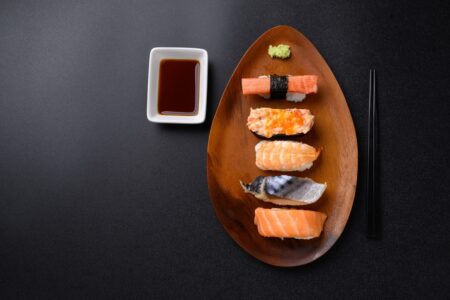
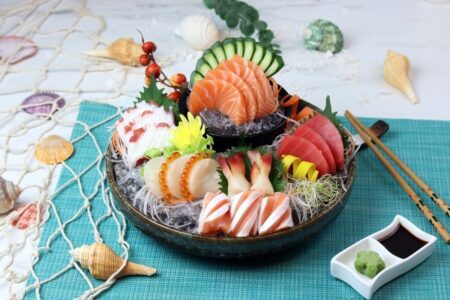
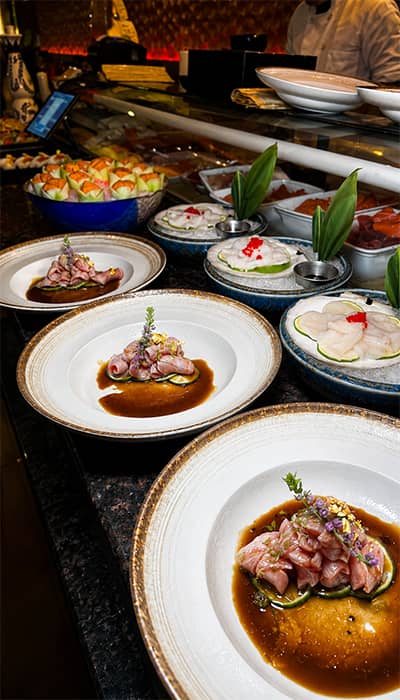
Unlike sashimi, which is just sliced raw fish served without rice, sushi rolls bring together multiple ingredients in every bite. That combination of textures and flavors is what makes them so popular with diners of all experience levels.
The fillings can include raw fish, cooked seafood, vegetables, cream cheese, avocado, and more. The variety is part of what makes sushi rolls so approachable, there is genuinely something for everyone.
The Main Types of Sushi Rolls
Not all sushi rolls are constructed the same way. The style of the roll determines how it looks, how it is eaten, and sometimes even how it tastes.
Maki (Traditional Roll)
Maki is the most classic sushi roll style. Nori is placed on the outside, rice is spread on top, and fillings are laid in the center before the whole thing is rolled and sliced. The result is a clean, compact cylinder with the seaweed visible on the outside.
Maki rolls are typically thinner than other roll styles and contain one or two simple ingredients. They are a great starting point for first-time diners because the flavors are straightforward and easy to identify.
Uramaki (Inside-Out Roll)
Uramaki flips the traditional construction. The rice goes on the outside and the nori wraps around the fillings on the inside. This style was actually developed in the United States to appeal to diners who were unfamiliar with eating seaweed on the outside of their food.
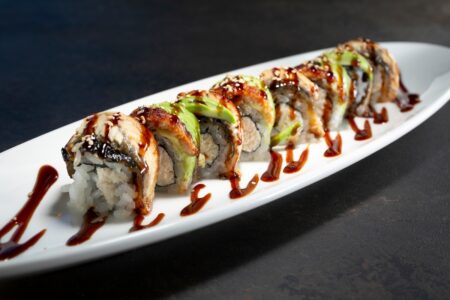
The California roll is the most well-known example of uramaki. The rice exterior is often coated with sesame seeds or tobiko, which adds texture and visual appeal. Most specialty and signature rolls you see on a menu today are built in the uramaki style.
Temaki (Hand Roll)
Temaki is a cone-shaped hand roll made by wrapping nori around rice and fillings without slicing it into pieces. It is larger than a standard maki roll and meant to be eaten with your hands in just a few bites.
Hand rolls are best eaten immediately after they are made because the nori softens quickly once it comes into contact with the rice. If you order a temaki, eat it right away for the best texture and crunch.
Futomaki (Thick Roll)
Futomaki is a larger version of the traditional maki roll. It contains multiple fillings rolled together inside a thicker layer of rice and nori. Common fillings include cucumber, pickled vegetables, egg, and sometimes cooked seafood.
Futomaki slices are wider and more colorful than standard maki, making them visually striking on the plate. They are a popular choice for diners who want a heartier, more filling option.
The Most Popular Sushi Rolls and What Is Inside Them
Understanding the roll styles is one thing. Knowing what is actually inside the most popular rolls is what helps you order with confidence.
California Roll
The California roll is one of the most recognized sushi rolls in the world. It contains imitation crab, avocado, and cucumber wrapped in rice and nori, with the rice on the outside. It uses no raw fish, which makes it an excellent entry point for diners who are new to sushi or cautious about raw ingredients.
Spicy Tuna Roll
The spicy tuna roll contains raw tuna mixed with spicy mayo and sometimes cucumber or avocado. It has a bold, savory heat that builds with each bite. It is one of the most ordered rolls at Japanese restaurants and a natural next step after the California roll.
Dragon Roll
The dragon roll is a visually impressive specialty roll typically made with shrimp tempura inside and thin slices of avocado layered on top to resemble dragon scales. It often comes drizzled with eel sauce and spicy mayo. The combination of warm tempura, creamy avocado, and sweet sauce makes it one of the most satisfying rolls on any menu.
Rainbow Roll
The rainbow roll is a California roll base topped with alternating slices of different fish such as tuna, salmon, yellowtail, and shrimp. It gets its name from the colorful presentation. It is a great option for diners who want to sample multiple fish types in a single order.
Spider Roll
The spider roll features soft shell crab, avocado, cucumber, and spicy mayo. The crab legs often extend beyond the ends of the roll, giving it its distinctive spider-like appearance. It has a satisfying crunch from the crab and a rich, creamy flavor from the avocado.
Shrimp Tempura Roll
The shrimp tempura roll contains battered and fried shrimp with avocado and cucumber. It is fully cooked, making it one of the most popular choices for diners who prefer not to eat raw fish. The light crunch of the tempura batter against the soft rice creates a satisfying contrast in every bite.
What Goes Into Sushi Roll Ingredients?
Most sushi rolls are built from a combination of the following core ingredients. Understanding each one helps you make better choices when ordering.
Nori is the dried seaweed sheet used to wrap the roll. It has a subtle oceanic flavor and a satisfying chew. In uramaki rolls it sits on the inside, while in maki it forms the outer layer.
Sushi rice is short-grain Japanese rice seasoned with rice vinegar, sugar, and salt. The seasoning gives it a mild tanginess that balances the richness of fish and other fillings. According to Serious Eats’ guide to sushi rice, the quality and preparation of the rice is considered just as important as the fish itself in traditional Japanese cuisine.
Fish and seafood options include tuna, salmon, yellowtail, shrimp, crab, and eel among others. Raw fish used in sushi is sourced as sushi-grade, meaning it meets specific standards for freshness and safe consumption.
Vegetables and extras such as avocado, cucumber, cream cheese, and pickled vegetables add texture, freshness, and flavor contrast to the roll.
Sauces and toppings like spicy mayo, eel sauce, tobiko, and sesame seeds are often added to specialty rolls for extra flavor and visual appeal.
How Sushi Rolls Are Made
Every sushi roll starts with a bamboo rolling mat called a makisu. The chef lays the nori flat on the mat, spreads an even layer of seasoned rice, and adds the fillings in a line across the center. The mat is then used to roll everything tightly into a cylinder before the roll is sliced into individual pieces.
The precision required to make a consistent, well-formed sushi roll takes significant practice. According to Healthline’s overview of sushi preparation, proper technique directly affects the texture and structural integrity of each piece, which is why trained chefs produce noticeably better results than home attempts.
Specialty rolls with toppings like avocado slices or sauces are finished after slicing, with each piece dressed individually for presentation.
How to Order Sushi Rolls With Confidence
If you are new to ordering sushi rolls or just want to feel more prepared, here are a few practical tips.
- Start with cooked or vegetarian rolls like the California roll or shrimp tempura roll if you are nervous about raw fish.
- Work your way toward raw fish rolls once you are comfortable. Spicy tuna and salmon avocado rolls are excellent next steps.
- Order a variety of roll styles rather than multiples of the same type to get a well-rounded experience.
- Ask your server what the chef’s specialty rolls are. These are often the most creative and freshest options on the menu.
- Do not feel obligated to eat everything in a specific order. Sushi is meant to be shared and enjoyed at your own pace.
For a deeper look at the top rolls worth trying, check out our guide to the top 15 best sushi rolls to order from a sushi restaurant.
FAQs
What is the difference between maki and uramaki?
Maki has nori on the outside with rice on the inside. Uramaki is the reverse, with rice on the outside and nori wrapped around the fillings inside. Most specialty rolls you see at Japanese restaurants today are made in the uramaki style.
Are all sushi rolls made with raw fish?
No. Many popular rolls like the California roll and shrimp tempura roll use cooked or imitation seafood. There are also fully vegetarian options available at most Japanese restaurants.
What is the easiest sushi roll to start with?
The California roll is widely considered the best starting point for new diners. It contains imitation crab, avocado, and cucumber with no raw fish, making it approachable and mild in flavor.
How many pieces come in a sushi roll order?
Most sushi rolls are sliced into six to eight pieces per order. Larger rolls like futomaki may yield fewer but thicker slices.
What does inside-out mean on a sushi menu?
Inside-out refers to the uramaki style where the rice is on the outside of the roll instead of the nori. The seaweed wraps around the fillings on the inside, and the rice forms the outer layer.
Can I request custom fillings in a sushi roll?
Many Japanese restaurants accommodate simple substitutions or modifications. It is always worth asking your server, especially if you have dietary restrictions or strong preferences.
Ready to Order Your Next Sushi Roll?
Sushi rolls are one of the most versatile and enjoyable ways to experience Japanese cuisine. Whether you prefer the simplicity of a classic maki, the richness of a dragon roll, or the freshness of a rainbow roll, there is a combination out there that will become your new favorite.
The more you order, the more you discover. Start with what feels comfortable, branch out when you are ready, and let the menu be your guide.
Take a look at our full menu to explore the sushi rolls available and find your next favorite order.
Disclaimer
The information in this post is intended for general educational purposes only. Individuals with allergies, dietary restrictions, or health concerns related to raw fish consumption should consult a qualified healthcare professional before dining.