Opening a sushi menu for the first time can feel like being handed a document in a language you almost speak. The names are familiar. The categories are not. You recognize salmon and tuna, but when the server asks whether you would like nigiri, maki, or temaki, the table goes quiet.
This guide covers the most important types of sushi so that the next time you sit down at a Japanese restaurant, you order exactly what you want without hesitation.
What Sushi Actually Means
Before separating the types, it helps to understand what connects them. Sushi, at its core, refers to vinegared rice prepared and served in a specific way. The rice, known as shari, is the constant across nearly every form. What changes is how that rice is shaped, paired, and presented.
Raw fish is common in sushi but not required. Cooked ingredients, vegetables, and egg are all found across the different types of sushi. What defines the category is the rice, not the protein.
Nigiri: The Purist's Choice
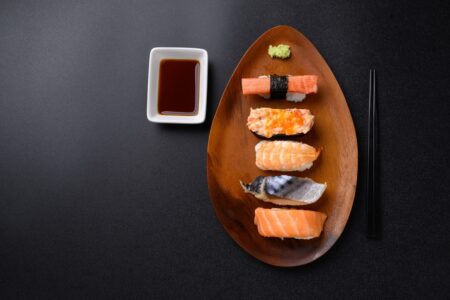
Nigiri is perhaps the most direct expression of what sushi is meant to be. It is a small, hand-shaped mound of sushi rice with a single slice of fish or other topping pressed gently across it. No rolling. No nori wrapping. Just rice and topping, occasionally with a small brush of soy or a dab of wasabi placed between them by the chef.
Because nigiri is so simple, the quality of its ingredients has nowhere to hide. A great piece reveals the flavor and texture of the fish without distraction. Common nigiri options include tuna (maguro), salmon (sake), yellowtail (hamachi), shrimp (ebi), eel (unagi), and scallop (hotate).
Nigiri is typically served in pairs. If you are exploring types of sushi for the first time and want to experience each ingredient without anything else competing for your attention, nigiri is the place to start.
For a deeper breakdown of how these formats compare, our post on the difference between nigiri, sashimi, and sushi covers every distinction worth knowing.
Maki: The Roll You Already Know
Maki is what most people picture when they think of sushi. It is rice and fillings wrapped in nori and rolled into a cylinder, then sliced into individual pieces. Within maki there are several subcategories worth knowing.
Hosomaki (Thin Rolls)
Hosomaki are small, single-filling rolls. A classic cucumber roll or tuna roll is hosomaki. They are clean, simple, and easy to eat in one bite. Their restraint makes them an excellent companion to more complex rolls on the same order.
Futomaki (Thick Rolls)
Futomaki are larger rolls with multiple fillings. They are more substantial and visually striking when sliced, often revealing several colors and textures in cross-section. These are a good choice when you want variety delivered in a single piece.
Uramaki (Inside-Out Rolls)
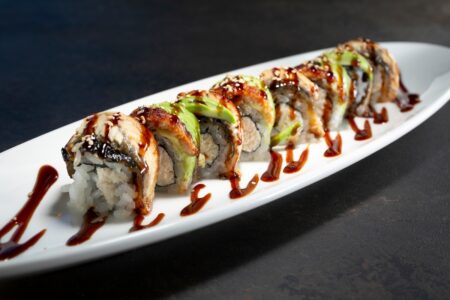
In uramaki, the rice sits on the outside and the nori wraps around the filling inside. Most specialty rolls you encounter on American sushi menus are made in the uramaki style. The rice exterior is often rolled in sesame seeds or tobiko for added texture and visual appeal.
Temaki: The Hand Roll
Temaki is a hand roll rather than a sliced roll. A sheet of nori is shaped into a cone, then filled with rice, fish, and other ingredients. It is meant to be eaten immediately after it is made, while the nori is still crisp.
Because temaki does not hold up well over time, receiving a good one at the table is often a sign that the kitchen is working with care and speed. It is also one of the most satisfying types of sushi to eat because the cone shape allows a generous ratio of filling to rice in every bite.
If you want something more casual and abundant than nigiri but less structured than a sliced roll, temaki is worth ordering.
Sashimi: Adjacent, But Not Sushi
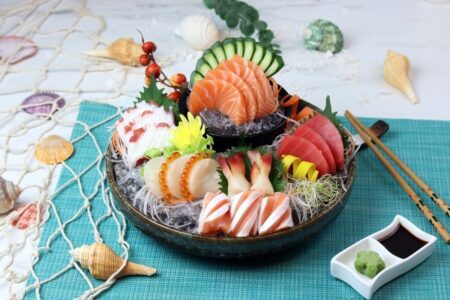
Sashimi appears on most sushi menus and is often ordered alongside the other types of sushi, but it belongs to its own category. Sashimi is thinly sliced raw fish or seafood served without rice. It is one of the purest expressions of Japanese cuisine, dependent entirely on the quality of the fish and the precision of the cut.
If you want to appreciate the fish on its own terms, order sashimi. If you want the full rice-and-fish experience, order nigiri or maki.
Gunkan Maki: Worth Knowing by Name
Gunkan maki, sometimes called battleship rolls, are a specific format in which a strip of nori is wrapped around a mound of rice, extending slightly above the top to form a small open cup. That cup holds soft or loose toppings that would not stay in place on standard nigiri, such as sea urchin (uni), salmon roe (ikura), or spicy tuna. If these appear on a menu and you are open to adventurous flavors, they reward the curious diner.
How to Build a Complete Sushi Order From Scratch
Knowing the names of the types of sushi is one thing. Knowing how to assemble them into a coherent, satisfying order is another skill entirely, and it is one that most dining guides skip over entirely. A well-built sushi order is not just a list of things that sound appealing. It is a sequence of flavors, textures, and formats that work together across the full meal.
Start Light, Then Build
The most common mistake when ordering sushi is front-loading the richest, most filling items. A table that opens with heavy specialty rolls filled with cream cheese, tempura, and thick sauce will find the palate fatigued long before the meal is finished.
A better approach mirrors the way a thoughtfully designed meal progresses. Begin with lighter, cleaner types of sushi that let the fish speak without interference. Hosomaki with a single filling or a few pieces of lean nigiri set the table well. From there, richer cuts like salmon or yellowtail feel earned rather than overwhelming, and specialty uramaki rolls work best toward the middle or end of the order as a satisfying payoff.
Order Across Formats, Not Just Across Fish
Many diners focus entirely on choosing different fish when building their order but overlook format variety. Ordering exclusively from one category limits both the textural range and the overall enjoyment of the meal.
A well-rounded order draws from at least two or three of the types of sushi covered in this guide. A few pieces of nigiri deliver the clean, direct experience of fish and rice. A hosomaki or two provides a familiar, bite-sized counterpoint. A specialty uramaki roll adds complexity and visual interest. If the table is open to something more adventurous, a gunkan maki or temaki rounds out the range in a way neither a roll nor a nigiri can replicate.
Know When to Ask
A sushi menu can be long, and even experienced diners sometimes encounter items they are uncertain about. Asking the server what is freshest that day, which rolls are made to order, or what they would recommend for a particular format is always a reasonable move.
Good sushi kitchens welcome that kind of engagement, and the best experiences often come from allowing the kitchen to guide at least part of the order. The types of sushi available to you are more varied than most menus make them appear at first glance.
A Simple Framework for Ordering
When you sit down and feel uncertain, this framework makes the types of sushi easier to navigate:
- Want to taste the fish directly? Order nigiri or sashimi.
- Want a classic, familiar roll? Order hosomaki or futomaki.
- Want something more elaborate and filling? Order uramaki specialty rolls.
- Want something fresh, generous, and informal? Order temaki.
- Want to try something adventurous? Try gunkan maki with roe or uni.
There is no wrong approach. The best strategy on an unfamiliar menu is to order across a few types of sushi in a single visit so you can identify which formats suit your preferences most naturally.
FAQs
What is the difference between nigiri and maki?
Nigiri is a hand-shaped mound of rice with a slice of fish pressed on top, served without rolling. Maki is rice and fillings wrapped in nori and sliced into rounds. Both are types of sushi but differ significantly in form and eating experience.
What does uramaki mean?
Uramaki means inside-out roll. The rice sits on the outside of the nori rather than the inside. Most specialty rolls on American sushi menus are made in the uramaki style.
Is temaki the same as a hand roll?
Yes. Temaki and hand roll refer to the same preparation: a cone-shaped nori filled with rice and ingredients, meant to be eaten immediately while the nori is still crisp.
Does sushi always contain raw fish?
No. Sushi refers to the vinegared rice preparation, not raw fish specifically. Many types of sushi contain cooked proteins such as shrimp, eel, or crab, as well as vegetables and egg.
What is the easiest type of sushi to start with?
For first-time diners, a California roll or similar uramaki with familiar ingredients is a comfortable entry point. From there, hosomaki with a single filling and nigiri with salmon or tuna are natural next steps for building confidence across the types of sushi.
See Something That Catches Your Eye?
A sushi menu is not a test. It is an invitation. Now that you understand the difference between nigiri, maki, temaki, and the other types of sushi you are likely to encounter, the menu becomes a tool for building exactly the experience you want rather than a source of uncertainty.
The best sushi meals are the ones where curiosity drives the order. Start with what you know, stretch toward something unfamiliar, and let the plate guide you from there. Every visit is an opportunity to discover a new favorite among the many types of sushi available to you.
Whether you are building your first order or refining a regular one, start with a look at what a sushi restaurant should genuinely offer, then come experience it for yourself.
Disclaimer
Some sushi preparations contain raw or lightly prepared fish and seafood. Individuals who are pregnant, elderly, immunocompromised, or have underlying health conditions should consult a healthcare provider before consuming raw seafood.