A sashimi menu that never changes is telling you something about the kitchen behind it. It may be telling you that the menu is built for convenience and consistency rather than quality, or that the kitchen sources from a limited pool of suppliers that does not vary with the season. Either way, it is information worth having.
The best sashimi menus are living documents. They shift with the availability of fish, reflect what is at peak quality during a given time of year, and treat the season as an ingredient in its own right. This is not a modern dining trend. It is one of the oldest principles in Japanese culinary culture.
Why Seasonality Matters in Japanese Cuisine
The Japanese concept of shun refers to the peak season for a particular ingredient, the brief window during which it is at its most flavorful, its most texturally ideal, and its most abundant. Shun is central to Japanese culinary philosophy and has shaped the way Japanese chefs approach sourcing for centuries.
For fish, shun is determined by a combination of factors including water temperature, feeding patterns, migration cycles, and spawning activity. Fish caught just before spawning season, for example, tend to have higher fat content because the body has been building energy reserves. That fat content translates directly to richer, more complex flavor on the sashimi menu.
A kitchen that understands shun builds its sashimi menu around what is genuinely at its best rather than what is easiest to source year-round. This approach rewards both the diner and the chef with a more dynamic and honest expression of the cuisine.
Spring: Delicate and Fresh
Spring brings a shift in the character of what belongs on a quality sashimi menu. Water temperatures begin to rise and certain species become more active and available in ways that affect their flavor profile.
Tai (Sea Bream) is one of the most celebrated spring fish in Japanese cuisine. Spring tai, sometimes called sakura-dai in reference to the cherry blossom season it coincides with, has a delicate, clean sweetness that makes it one of the most prized sashimi menu offerings of the year. Its texture is firm without being tough and its flavor is subtle enough to reward minimalist preparation.
Katsuo (Skipjack Tuna) begins its first seasonal run in spring and is considered a seasonal event in Japanese food culture. Early spring katsuo has a leaner, lighter character than the richer autumn version and is typically served with grated ginger and green onion rather than wasabi and soy.
Squid (Ika) is at high quality through spring and early summer, with firm texture and clean sweetness that makes it one of the more rewarding entries on a spring sashimi menu.
Summer: Bold and Rich
Summer sashimi menu options trend toward richer, more assertive flavors as warmer water temperatures affect fish behavior and fat content.
Aji (Horse Mackerel) reaches peak quality in summer. It has a clean, slightly assertive flavor with a firmer texture than standard mackerel. When sliced thinly and served with grated ginger, it is one of the most satisfying summer sashimi options available.
Anago (Sea Eel) is a summer specialty that differs from the more commonly known unagi in both flavor and preparation. Sea eel sashimi has a softer, more delicate flavor than freshwater eel and is available in limited quantities during the warmer months.
Uni (Sea Urchin) reaches one of its quality peaks in summer. The roe has a rich, sweet, oceanic flavor that is unlike any other item on the sashimi menu and is among the most intensely seasonal ingredients in Japanese cuisine. Quality uni has a creamy texture and clean finish. Poor quality or out-of-season uni has a bitter, ammoniated quality that makes it one of the most unforgiving ingredients to order without reliable sourcing.
Autumn: Fat and Flavorful
Autumn is widely considered one of the most rewarding seasons for the sashimi menu. Fish that have spent the warmer months feeding heavily arrive at their peak fat content just as the water begins to cool.
Katsuo (Skipjack Tuna) makes its second seasonal appearance in autumn, and this version is considered superior to the spring run by many Japanese chefs. Autumn katsuo has significantly higher fat content, a richer flavor, and a deeper color. It is typically served as tataki, lightly seared on the outside, which amplifies the richness of the fat.
Sanma (Pacific Saury) is an autumn-exclusive sashimi menu item that has near-iconic status in Japanese seasonal cuisine. Its oily, rich flesh and distinctive flavor are available only during a brief seasonal window and are considered one of the clearest expressions of shun in the entire Japanese fish calendar.
Salmon (Sake) reaches peak fat content in autumn as it prepares for its migration cycle. The extra fat that accumulates through the summer feeding season makes autumn salmon one of the richest and most flavorful versions of a fish that is excellent year-round.
Winter: Clean and Precise
Winter sashimi menu options tend toward leaner, cleaner fish that excel in cold water conditions. The cold slows metabolism and tightens muscle tissue, producing a firm, precise texture in many species.
Hirame (Flounder) is at its best in winter. Cold water produces firmer, sweeter flesh with a more refined texture than the same fish caught in warmer months. Winter hirame sashimi is one of the most delicate and prized items on a seasonally aware sashimi menu.
Fugu (Puffer Fish) is a winter-exclusive item available only at licensed restaurants with specially certified chefs. It is included here for completeness as one of the most distinctive seasonal items in Japanese cuisine, though its preparation requires specific expertise and licensing.
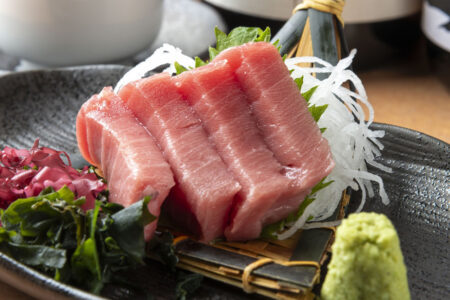
Toro (Fatty Tuna) is at peak quality during winter months when bluefin tuna have accumulated maximum fat reserves. Winter otoro is widely considered the finest expression of this already exceptional cut and represents the seasonal sashimi menu at its most indulgent.
How to Use Seasonality When Ordering
Knowing which fish are in season is useful, but using that knowledge at the table requires a simple approach. The most practical step is to ask the kitchen what is freshest that day or what they would recommend from the current sashimi menu. A kitchen that sources seasonally will have a clear answer and often an enthusiasm for sharing it.
Looking for daily specials or a separate seasonal section on the sashimi menu is another signal that the kitchen is working with seasonal awareness. A menu that includes a rotating fish of the day or a chef’s selection section is more likely to reflect what is genuinely at its best than one with a fixed list of year-round options.
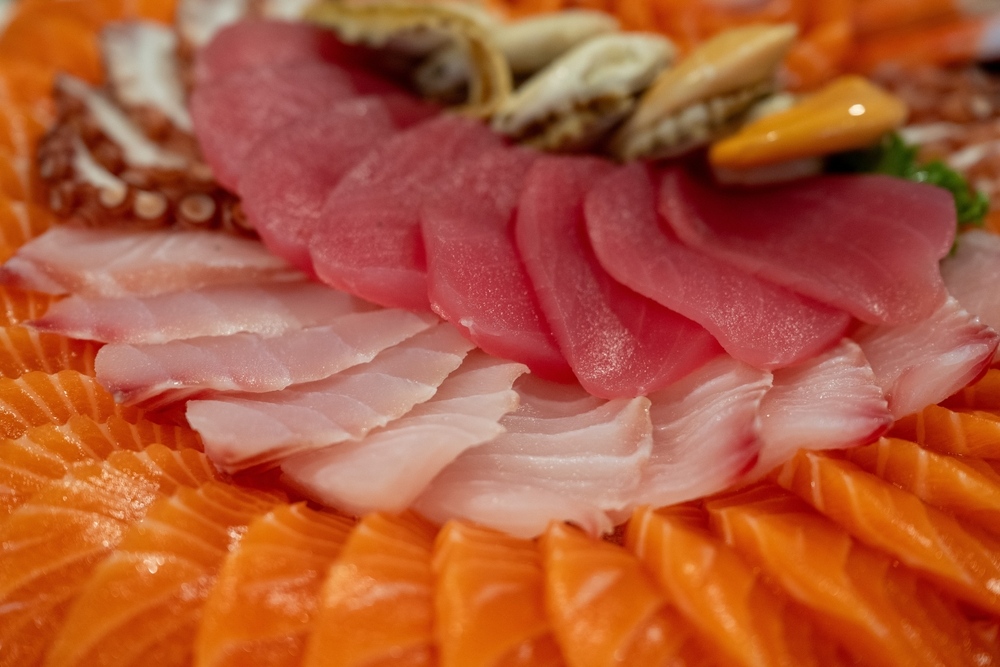
For a broader understanding of the variety available on any sashimi menu, our post on underrated sashimi cuts every diner should try covers many of the species mentioned here in more detail.
Understanding how fish is handled from harvest to plate is equally important. Reviewing the basics of seafood cold chain and handling safety gives useful context for evaluating any sashimi menu with confidence.
FAQs
Why does fish taste different in different seasons?
Fish flavor and texture are directly affected by water temperature, feeding patterns, fat content, and where a species is in its life cycle at the time of harvest. Fish caught at peak season, when fat reserves are highest and feeding has been most active, consistently produce a richer, more complex flavor than the same species caught out of season.
Is salmon available year-round as a sashimi menu option?
Salmon is widely available year-round due to a combination of wild and farmed sourcing, but its quality varies seasonally. Wild salmon reaches peak fat content in autumn. Farmed salmon offers more consistency across the year but lacks the seasonal variation that makes wild-caught autumn salmon particularly distinctive.
What is shun in Japanese cuisine?
Shun refers to the peak season for a particular ingredient in Japanese culinary culture. It is the brief window during which a fish, vegetable, or other ingredient is at its most flavorful and abundant. Japanese chefs have built menus around the concept of shun for centuries.
How do I know if a restaurant sources seasonally?
Look for seasonal specials or a rotating selection on the sashimi menu. Ask the server what is freshest that day. A kitchen that sources seasonally will have confident, specific answers. One that does not tends to offer the same fixed list regardless of time of year.
Is out-of-season sashimi worth ordering?
Common sashimi menu staples like salmon and tuna are available and enjoyable year-round due to reliable sourcing channels. The seasonal quality variation is most pronounced in species like uni, sanma, and katsuo that have narrow windows of peak availability. Knowing which items are seasonal helps you make more informed choices on any given visit.
The Season Is an Ingredient
The best sashimi menu is not simply a list of available fish. It is a reflection of what the season is offering at that particular moment. A kitchen that honors seasonality brings something to the table that no fixed menu can replicate: the specific character of this time of year, expressed through the most direct medium available.
That kind of attentiveness to sourcing is what separates a genuinely memorable sashimi experience from a routine one. If you want to experience a sashimi menu built around care and quality, explore what a sushi restaurant committed to hand-selected fish looks like, and come taste the difference for yourself.