- August 16, 2026
- 10 min read
SUSHI
Table of Contents
- 1. What Most Sushi Diners Experience vs. What Japanese Sushi Culture Is
- 2. The Origins of Sushi as Street Food
- 3. The Sushi Counter as the Intended Setting
- 4. Omakase: The Most Direct Expression of Japanese Sushi Culture
- 5. How Sushi Is Eaten in Japan
- 6. The Role of the Chef-Diner Relationship
- 7. Regional Sushi Traditions Within Japan
- 8. What Japanese Sushi Culture Means for Dining Outside Japan
- 9. How to Bring More of This Tradition to Your Next Visit
- 10. Frequently Asked Questions
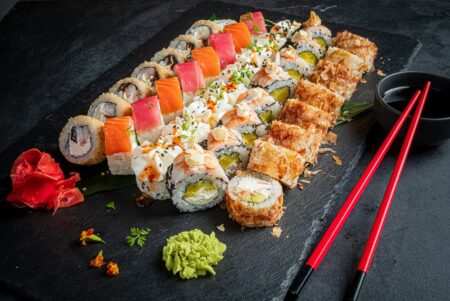
Most people who eat sushi regularly have never experienced Japanese sushi culture as it exists in Japan. The sushi most Western diners know, served from a menu with rolls named after American cities, specialty items topped with cream cheese, and generous soy sauce pools on every plate, is a genuinely distinct food culture that has evolved far from the tradition it originated in.
Neither version is wrong. But understanding what Japanese sushi culture actually looks like changes the way you think about the food and gives you a richer context for evaluating what you are eating wherever you eat it.
1. What Most Sushi Diners Experience vs. What Japanese Sushi Culture Is
The sushi most commonly served outside Japan is a creative and often excellent adaptation of a Japanese culinary tradition. It has been shaped by local ingredients, local palates, and decades of evolution driven by what diners in each market respond to. The California roll, which was developed in North America and does not exist in traditional Japanese sushi culture, is now one of the most recognized sushi preparations in the world.
Japanese sushi culture is built on a set of principles that prioritize restraint, simplicity, and direct engagement with the quality of the fish. The elaborate roll constructions, heavy sauces, and complex topping combinations that define modern Western sushi menus are largely absent from traditional Japanese sushi preparation. What takes their place is a focus on the fish itself, the seasoning of the rice, and the relationship between the diner and the chef.
2. The Origins of Sushi as Street Food
Understanding Japanese sushi culture begins with understanding where sushi came from. The form most directly connected to modern sushi is Edo-mae sushi, which originated in Edo, the historical name for Tokyo, in the early nineteenth century. It was fast food. Street vendors sold nigiri from stalls, and the preparation was designed to be eaten quickly, standing at the counter, with no elaborate ceremony.
Edo-mae sushi used fish from Tokyo Bay, preserved and seasoned with vinegar, salt, and soy to extend their freshness in an era before modern refrigeration. The flavors were often stronger and more assertive than what most diners associate with sushi today, and the rice was made with a higher proportion of vinegar to compensate for the ambient temperature of outdoor serving conditions.
This origin as an accessible, quick, everyday food is important context for understanding how different the elaborate and often expensive dining experience that sushi has become in some contexts is from its actual roots.
3. The Sushi Counter as the Intended Setting
In Japanese sushi culture, the sushi counter is the primary intended setting for the experience. Sitting directly in front of the chef, watching each piece prepared and receiving it directly, is how sushi has traditionally been eaten at dedicated sushi restaurants in Japan.
The counter setting serves several purposes. It creates a direct communication channel between chef and diner that allows the chef to adjust what they are serving based on what the diner is enjoying. It allows pieces to be eaten immediately after preparation, when the rice is at its ideal temperature and the nori, where present, is still crisp. It creates a pace to the meal that is set by the kitchen rather than by a menu, which tends to produce a more thoughtful and considered eating sequence.
Eating sushi from a table with a large menu, ordering everything at once, and waiting for it to arrive on shared platters is a functional and enjoyable experience but is quite different from the counter-centered tradition of Japanese sushi culture.
4. Omakase: The Most Direct Expression of Japanese Sushi Culture
Omakase, which translates roughly as I leave it to you, is the dining format most directly connected to the values of Japanese sushi culture. In an omakase setting, the diner places their full trust in the chef, who determines what is served, in what sequence, and in what portion based on what is best that day.
Omakase dining is built on the premise that the chef has better information than the diner about what is at peak quality on any given day and is best positioned to build a meal around those ingredients. The diner’s role is to be present, attentive, and open rather than to navigate a menu and make selections.
This format requires a level of trust in the kitchen that most Western dining contexts do not cultivate as a norm, which is part of why it represents such a distinct expression of Japanese sushi culture. When it works well, it produces a meal where every piece arrives at precisely the right moment and the sequence builds in a way that a menu-driven order rarely achieves.
5. How Sushi Is Eaten in Japan
Several specific habits around how sushi is eaten in Japan differ meaningfully from what most Western diners do at the sushi table.
Eating immediately: In Japanese sushi culture, each piece is eaten as soon as it is placed in front of the diner, while the rice is at the correct temperature and the nori retains its texture. Letting pieces sit and accumulate before eating flattens the temperature of the rice and softens the nori in ways that are considered to reduce the quality of the experience.
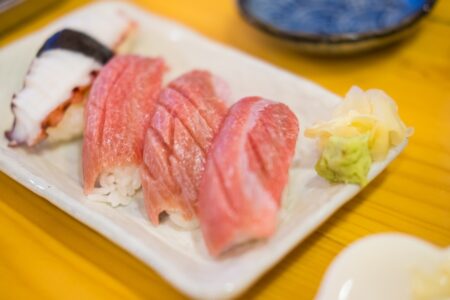
Using fingers for nigiri: Eating nigiri with fingers is the traditional approach in Japanese sushi culture. Fingers provide more control than chopsticks for a small, carefully balanced piece and reduce the risk of disrupting the proportions the chef has set.
Minimal condiment use: Soy sauce is used sparingly in traditional Japanese sushi culture, applied to the fish rather than the rice, and often omitted entirely for pieces where the chef has already seasoned them before serving. Mixing wasabi into soy sauce is not the traditional practice.
No conversation during eating: In a formal omakase setting, the eating moment itself is treated with a degree of quiet attention that reflects the value placed on being fully present with the food. This is less a rule than a cultural disposition, but it reflects how seriously Japanese sushi culture treats the act of eating.
6. The Role of the Chef-Diner Relationship
In Japanese sushi culture, the relationship between the sushi chef and regular diners is an ongoing one that develops over many visits. A chef who knows a diner’s preferences, tolerances, and history with the menu adjusts what they serve accordingly, building a sequence that reflects accumulated knowledge of that particular person’s palate.
This relationship-based dining model is central to why omakase works as well as it does in its original context and why it can feel less personal when replicated without that foundation. The chef-diner relationship in Japanese sushi culture is a long-term investment from both sides, and its quality deepens with time.
7. Regional Sushi Traditions Within Japan
Japanese sushi culture is not uniform across the country. Different regions have distinct sushi traditions that reflect local fish availability, local taste preferences, and local culinary history.
Osaka is associated with oshi-zushi, a pressed sushi made by compressing fish and rice in a wooden mold before cutting it into pieces. This style predates Edo-mae nigiri and represents an older tradition of Japanese sushi culture. Kyoto, being inland and historically distant from fresh ocean fish, developed sushi traditions using pickled and preserved ingredients. Hokkaido in the north, with access to some of the coldest and most pristine waters in Japan, is known for sushi prepared with fish species that are rarely available elsewhere.
These regional variations illustrate that Japanese sushi culture is not a single fixed tradition but a family of related practices, each shaped by geography, history, and the specific resources of the region.
8. What Japanese Sushi Culture Means for Dining Outside Japan
Understanding Japanese sushi culture does not require a trip to Japan to be useful. It provides a framework for thinking about what sushi is at its best and what each element of the dining experience is designed to achieve.
Knowing that the counter is the ideal setting makes sitting at the counter rather than a table a more deliberate choice. Knowing that omakase exists as a format makes asking a trusted chef for their recommendation a natural extension of the same principle. Knowing that soy sauce is a finishing accent rather than a base changes how you use it. Knowing that each piece is meant to be eaten immediately after it is placed in front of you changes the pace at which you approach the meal.
None of these changes require the full context of Japan to apply. They require only awareness of what the tradition was designed to achieve, which this post and the broader context available in our guide on types of sushi and how to order confidently can help provide.
9. How to Bring More of This Tradition to Your Next Visit
A few practical adjustments bring the values of Japanese sushi culture closer to any sushi meal.
Sit at the counter when one is available. Ask the chef or server what is freshest that day rather than ordering entirely from the menu. Eat each piece immediately after it arrives rather than waiting until the full order is on the table. Use soy sauce sparingly and on the fish rather than the rice. Try eating nigiri with your fingers. Let the pace of the meal be determined by when the kitchen sends pieces rather than by how quickly you can order.
These are small changes in behavior that reflect large changes in orientation, from sushi as a menu-driven transaction to sushi as an engagement with craft and quality in the tradition it comes from.
10. Frequently Asked Questions
What is omakase in Japanese sushi culture?
Omakase means leaving the selection of food entirely to the chef. In a sushi context, the chef determines what is served, in what sequence, and in what portion based on what is at peak quality that day. It is the dining format most directly connected to the values and priorities of Japanese sushi culture.
Is it acceptable to eat sushi with your fingers?
Yes, and it is in fact the traditional approach for nigiri in Japanese sushi culture. Using fingers provides more control than chopsticks for the small, precisely balanced pieces that nigiri represents, and it is considered entirely appropriate in both casual and formal Japanese sushi settings.
What is Edo-mae sushi?
Edo-mae sushi is the style of sushi that originated in Edo, the historical name for Tokyo, in the early nineteenth century. It is the direct ancestor of the nigiri-centered sushi most familiar today and was originally served from street stalls as a fast, affordable everyday food.
Why is the sushi counter important in Japanese sushi culture?
The counter allows pieces to be eaten immediately after preparation when rice temperature and nori texture are optimal. It creates direct communication between chef and diner. It allows the chef to adjust the meal in real time based on the diner’s responses. These qualities are central to why the counter is the primary intended setting for sushi in Japanese dining culture.
How does regional sushi in Japan differ from what most diners know?
Different regions of Japan have distinct sushi traditions shaped by local fish availability and culinary history. Osaka has pressed oshi-zushi. Kyoto has pickle-based preparations. Hokkaido features fish species rarely available elsewhere. The familiar nigiri-centered style most associated with sushi globally comes primarily from the Tokyo tradition.
Key Takeaways
Japanese sushi culture is built on principles of restraint, direct engagement with ingredient quality, and a chef-diner relationship that the menu-driven format of most Western sushi restaurants does not fully replicate. Sushi originated as accessible street food in nineteenth-century Edo and was designed to be eaten immediately, simply, and at a counter in direct view of the chef. Omakase represents the purest expression of these values, placing the selection and sequencing of the meal entirely in the hands of the chef. Traditional habits around how sushi is eaten in Japan, including eating pieces immediately, using fingers for nigiri, and applying soy sauce sparingly to the fish rather than the rice, all reflect the underlying priorities of freshness, balance, and attentiveness that define the tradition. Regional variations within Japan illustrate that Japanese sushi culture is not a single fixed practice but a family of related traditions unified by a shared set of values. These values are accessible and applicable in any sushi context once you understand what they are designed to achieve.
Experience the Tradition Behind Every Piece
If you want to experience sushi with the attention to quality and craft that Japanese sushi culture is built on, explore what a sushi restaurant in Brooklyn, NY that takes those values seriously looks and tastes like. Sit at the counter. Ask what is freshest. Let the meal take care of the rest.
DISCLAIMER: Consuming raw or undercooked seafood carries food safety risks. Individuals who are pregnant, elderly, immunocompromised, or have underlying health conditions should consult a healthcare provider before consuming raw seafood.
References
- Nippon.com. Japanese sushi culture and culinary philosophy. https://www.nippon.com/en/japan-topics/g00661/
- Japan Times. Japanese seasonal cuisine and sushi tradition. https://www.japantimes.co.jp/life/2019/09/07/food/japanese-seasonal-cuisine-shun/