- Masuta Japanese Fusion Restaurant
- October 4, 2026
- 13 min read
Sushi
Table of Contents
- 1. Why Pickled Ginger Has a Place on Your Sushi Plate
- 2. What Is Sushi Ginger and What Does It Do?
- 3. Pickled Ginger with Sushi: Why It Refreshes Your Palate
- 4. Japanese Pickled Ginger and Its Traditional Preparation
- 5. What Gives Gari Its Sweet and Tangy Flavor?
- 6. Why Is Some Pickled Ginger Pink?
- 7. How to Eat Ginger Between Sushi Pieces
- 8. How Gari Complements Different Sushi Selections
- 9. Common Mistakes When Eating Sushi Condiments
- 10. How to Appreciate the Role of Ginger in Sushi Dining
- 11. Frequently Asked Questions
You have probably noticed the small pile of pink or pale yellow ginger served alongside your sushi. It might look like a garnish, but sushi ginger has a purpose that goes beyond adding color to your plate.
Known in Japanese as gari, this sweet and tangy accompaniment helps refresh your palate as you move between different sushi selections. Understanding when and how to eat it can make your next meal more enjoyable, especially when you’re trying several types of fish with distinct flavors.
There is also more to this familiar condiment than you might expect. From its traditional preparation to its role in Japanese dining etiquette, a few simple details can change how you experience it.
Here’s what you need to know about why pickled ginger is served with sushi and how to enjoy it.
1. Why Pickled Ginger Has a Place on Your Sushi Plate
Sushi is an experience built around individual flavors. Each piece can offer a different combination of seafood, seasoned rice, texture, and aroma. When you move directly from one selection to another, some of those flavors may linger.
Pickled ginger gives you a way to refresh your mouth between bites without introducing a heavy sauce or overpowering seasoning.
It is one of those small details that becomes more interesting once you understand the thought behind sushi preparation. If you enjoy learning about these details, exploring how chefs approach the sushi dining experience can give you another perspective on the care involved in preparing and presenting each piece.
You do not need to follow an elaborate routine to appreciate ginger’s role. Simply knowing why it is there can help you become more attentive to the differences between the sushi selections on your plate.
2. What Is Sushi Ginger and What Does It Do?
Gari is thinly sliced ginger that has been pickled, typically in a mixture containing vinegar and sugar. The result is a condiment with a refreshing combination of sweetness, acidity, and mild ginger heat.
Unlike fresh ginger, which can have a noticeably sharp bite, gari is generally softer in texture and gentler in flavor. The pickling process changes its taste, making it easier to enjoy in small portions between other foods.
Its main purpose in sushi dining is to act as a palate cleanser.
Think about eating a piece of rich salmon nigiri followed by something with a lighter, more delicate flavor. Without a pause between the two, the richness of the salmon may still influence what you taste next.
A small piece of gari provides a contrasting flavor that can help you approach the next selection with a refreshed palate.
It is not intended to cover up the taste of the seafood or make every piece taste the same. Instead, it gives each selection a little more room to stand on its own.
3. Pickled Ginger with Sushi: Why It Refreshes Your Palate
The idea behind eating ginger between sushi pieces is simple: different flavors are easier to appreciate when they are not competing with whatever you just ate.
According to the Japan National Tourism Organization, pickled ginger is traditionally eaten between pieces of sushi to refresh the palate.
For example, imagine enjoying tuna followed by a piece of white fish. Tuna has its own distinctive flavor, while some white fish selections are more delicate. Eating a little ginger between them may help you notice the second piece without as much lingering influence from the first.
The same principle can apply when moving between richer and lighter sushi preparations.
However, this does not mean you need to eat ginger after every bite. Your preferences matter, and some diners prefer to enjoy several similar pieces before refreshing their palate.
The important distinction is that ginger is traditionally eaten between sushi selections, rather than automatically placed on top of each piece.
That approach allows the seafood, rice, and intended seasonings to remain the focus of the bite.
4. Japanese Pickled Ginger and Its Traditional Preparation
Gari is part of the broader tradition of Japanese pickled foods, known as tsukemono. Pickling is used in Japanese cuisine to create a variety of accompaniments with distinctive flavors and textures.
Traditional pickled ginger preparation begins with thin slices of ginger. These are prepared and placed in a seasoned pickling liquid, commonly made with vinegar and sugar.
The ginger gradually absorbs the surrounding flavors, producing the familiar sweet and sour taste associated with gari.
The Ministry of Agriculture, Forestry and Fisheries of Japan discusses gari as a traditional accompaniment to sushi within Japanese food culture.
Although the finished condiment may seem simple, its balance matters. Too much sweetness can make it taste more like candy, while excessive acidity can distract from the food it accompanies.
Different preparations can vary in sweetness, acidity, thickness, and texture. As a result, you may notice subtle differences in the ginger served at different establishments.
These variations are part of what makes traditional sushi accompaniments interesting rather than interchangeable.
5. What Gives Gari Its Sweet and Tangy Flavor?
The characteristic taste of gari comes from the interaction between ginger’s natural flavor and the ingredients used in pickling.
Fresh ginger contains aromatic compounds responsible for its recognizable pungency. When it is sliced and pickled, that natural sharpness becomes part of a different flavor experience.
Vinegar provides acidity, while sugar adds sweetness. Together, they create a contrast that makes the condiment refreshing in small amounts.
You may notice three characteristics when tasting gari on its own:
An initial sweet and sour flavor.
A gentle ginger warmth that follows the first bite.
A crisp or tender texture, depending on the preparation.
The exact balance depends on the recipe and the ginger used.
Some versions taste particularly sweet, while others have a more noticeable vinegar flavor. Neither automatically determines how well the condiment works with sushi. What matters is whether its taste remains pleasant without dominating the rest of your meal.
If you have never paid much attention to gari before, try tasting a small piece separately. You may be surprised by how much flavor is contained in such a thin slice.
6. Why Is Some Pickled Ginger Pink?
One of the most common questions about gari concerns its color.
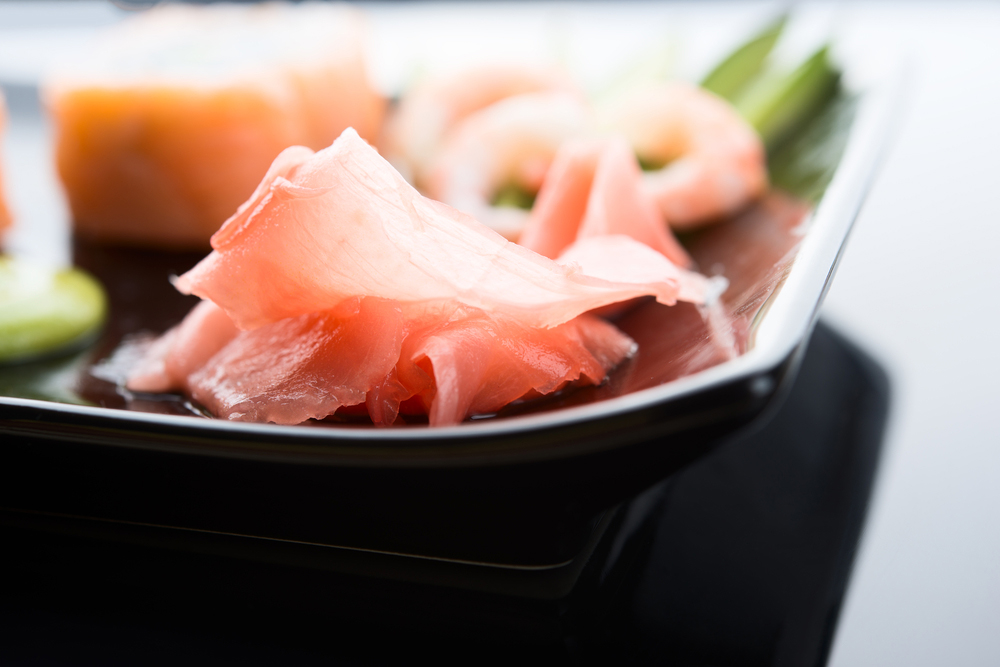
You may have seen sushi plates served with delicate pink ginger, while others feature slices that look pale yellow, cream-colored, or nearly white.
Young ginger can naturally develop a light pink appearance during pickling. This is associated with naturally occurring pigments in the ginger, particularly around its younger portions.
However, not every bright pink version gets its color naturally. Some commercially prepared products contain added coloring to create a consistent appearance.
This means color alone cannot tell you whether ginger was freshly prepared, whether it contains added ingredients, or whether one version will taste better than another.
If you are curious about what you are eating, checking the ingredient information is more useful than making assumptions based on appearance.
Both pink and pale varieties can serve the same purpose alongside sushi. The more meaningful differences are usually found in their sweetness, acidity, texture, and overall ginger flavor.
7. How to Eat Ginger Between Sushi Pieces
If you are new to sushi dining traditions, you might wonder whether there is a correct way to eat the ginger provided with your meal.
Fortunately, the basic approach is straightforward.
Take a small piece of gari after finishing one sushi selection and before beginning another. Eat it separately, allowing its contrasting flavor to refresh your palate.
For example, you might enjoy a piece of salmon nigiri, eat a small amount of ginger, and then move on to tuna or another selection.
There is no need to consume the entire serving at once. Gari is generally intended to accompany your meal in small portions.
It is also worth remembering that ginger is not a substitute for proper food safety practices. Although ginger has a long culinary history, eating it does not make improperly handled raw seafood safe.
When enjoying sushi, the most useful habit is to pay attention to the individual flavors. Ginger is there to support that experience, not become the main attraction.
And if you prefer to skip it occasionally, that is fine too. Understanding the tradition gives you a choice rather than another complicated dining rule to remember.
8. How Gari Complements Different Sushi Selections
Not every sushi selection offers the same eating experience.
Some varieties have a richer mouthfeel, while others are delicate, mildly sweet, or more noticeably savory. Seasoned rice, seaweed, sauces, and other ingredients can also influence what you taste.
This is where gari becomes particularly useful.
For instance, moving from a rich piece of fatty tuna to a lighter white fish can reveal how different their flavors are. A little ginger between the two may help you appreciate that contrast.
The experience also changes depending on whether you are eating sushi or sashimi. Sushi commonly includes seasoned rice, while sashimi generally consists of carefully prepared slices of fish or other seafood without sushi rice.
Understanding how these two Japanese dishes differ can help you recognize how rice, texture, and accompaniments influence each bite.
You might find that you reach for ginger more often when sampling several contrasting selections than when enjoying a few pieces of the same variety.
There is no universal amount that works for everyone. Your own taste preferences and the food on your plate will help determine when a palate cleanser feels useful.
9. Common Mistakes When Eating Sushi Condiments
Sushi is often served with several accompaniments, and it can be tempting to combine everything before taking your first bite.
However, ginger, soy sauce, and wasabi have different culinary roles. Treating them as interchangeable can make it harder to appreciate the intended flavor of your sushi.
One common misunderstanding is that pickled ginger should automatically be placed directly on top of each piece. While personal preferences vary, this is not its traditional palate-cleansing role.
Another mistake is eating a large amount of ginger immediately before a delicate selection. Its vinegar and sweetness may temporarily become more noticeable than the flavors you are trying to appreciate.
You also do not need to mix gari into your soy sauce. Keeping the accompaniments separate allows you to decide how much of each flavor you want.
If you are unfamiliar with a particular sushi selection, try tasting it before adding extra condiments. You can always adjust your next bite based on your preferences.
A useful approach is to begin simply and let the individual ingredients tell you what additional seasoning, if any, you actually want.
10. How to Appreciate the Role of Ginger in Sushi Dining
The next time you enjoy sushi, try approaching the ginger as part of the overall experience rather than something you automatically eat or leave untouched.
Begin by noticing the flavors of your first piece. Is it rich, delicate, sweet, savory, or slightly briny?
Then, before trying something different, eat a small slice of gari. Notice its acidity, sweetness, and mild warmth.
When you move to the next sushi selection, consider whether its flavor feels more distinct.
You do not need to turn dinner into a formal tasting exercise. These small observations simply help you understand why seemingly minor accompaniments have remained part of sushi dining traditions.
If learning about these details has made you curious about trying different preparations, you can explore more sushi options and consider which selections you would like to compare.
The more familiar you become with different flavors, the easier it is to understand how ginger fits into the meal without distracting from the sushi itself.
11. Frequently Asked Questions
Should you eat pickled ginger before or after sushi?
Pickled ginger is traditionally eaten between different pieces of sushi. Its purpose is to refresh your palate before you move to another selection.
You can eat a small amount after finishing one piece, particularly when the next has a noticeably different flavor. There is no need to eat ginger before every bite.
Are you supposed to put ginger directly on sushi?
Gari is traditionally enjoyed separately rather than used as a topping.
Eating it between selections allows you to appreciate the intended combination of seafood, rice, and seasonings without introducing another strong flavor directly into the bite.
Personal preferences can vary, but understanding this distinction helps explain why ginger is served alongside sushi.
Why is sushi ginger sometimes pink and sometimes white?
Young ginger may develop a naturally pale pink color during pickling. Other varieties can remain cream-colored or pale yellow.
Some commercially prepared versions also contain added coloring. Appearance alone does not establish freshness, quality, or whether the ginger contains additional ingredients.
Is pickled ginger spicy?
Gari usually has a mild ginger warmth rather than the sharper intensity associated with fresh ginger.
Its flavor is also influenced by the pickling liquid, which typically contributes sweetness and acidity. The overall taste can vary depending on the recipe and the type of ginger used.
Does eating ginger make raw sushi safer?
No. Pickled ginger should not be relied upon to eliminate foodborne pathogens or parasites in raw seafood.
Its traditional culinary role is to refresh your palate. Safe sourcing, handling, preparation, and storage remain important when serving raw seafood.
Key Takeaways
Pickled ginger, or gari, is traditionally served alongside sushi as a palate cleanser.
Eating a small amount between different selections can help you appreciate contrasting flavors.
Gari typically combines ginger with a sweet and acidic pickling liquid.
Its color may vary naturally or because of added coloring.
Ginger is generally eaten separately rather than placed directly on top of sushi.
It is a culinary accompaniment, not a food safety treatment.
Discover More in Every Sushi Experience
Understanding why ginger accompanies sushi can make an ordinary meal a little more interesting. Instead of viewing it as a decorative extra, you can appreciate how its refreshing flavor creates a pause between different selections.
The next time you try several types of sushi, pay attention to how each piece tastes before and after a little gari. You may begin noticing subtle differences that previously went overlooked.
If you’re curious about exploring different preparations, take a look at the Masuta Japanese Restaurant menu to discover more selections and consider what you might enjoy trying next.
A little curiosity can make familiar food feel new again.
DISCLAIMER: This article is intended for general educational purposes about Japanese food culture and dining traditions. Preparation methods, ingredients, and serving customs may vary.
Pickled ginger does not eliminate the food safety risks associated with raw or undercooked seafood. People who are pregnant, immunocompromised, older adults, or otherwise at increased risk of foodborne illness should follow applicable food safety and healthcare guidance when choosing what to eat.