- Masuta Japanese Fusion Restaurant
- October 25, 2026
- 14 min read
SASHIMI
Table of Contents
- 1. Understanding Sashimi Fish Varieties
- 2. Tuna: One of the Most Recognizable Sashimi Choices
- 3. Salmon: A Rich and Familiar Favorite
- 4. Yellowtail: A Balance of Flavor and Texture
- 5. Sea Bream: A Delicate White Fish Option
- 6. Flounder: A Mild Choice with a Distinct Texture
- 7. Other Common Sashimi Fish Worth Knowing
- 8. How Different Types of Sashimi Compare
- 9. How Fish Selection Influences the Sashimi Experience
- 10. What to Consider When Exploring Different Fish
- 11. Frequently Asked Questions
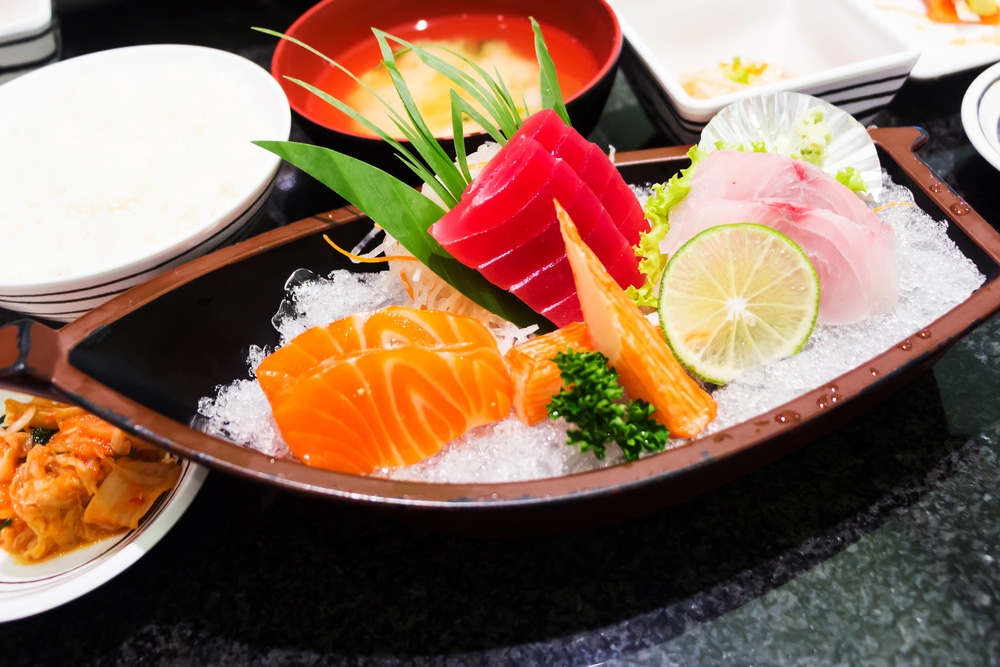
When you look at a sashimi platter, you might notice that every slice has a different color, shape, and texture. Some fish have a rich, buttery quality, while others taste delicate and feel pleasantly firm. But what makes these selections different, and which types are commonly used?
Understanding sashimi fish varieties can help you appreciate what is on your plate and feel more confident when exploring unfamiliar seafood. From tuna and salmon to yellowtail and traditional white fish, each selection offers something distinctive.
In this guide, you will learn about popular sashimi choices, their Japanese names, how their flavors and textures compare, and what to consider when trying something new.
1. Understanding Sashimi Fish Varieties
Sashimi is a Japanese preparation in which carefully sliced raw seafood is served without the seasoned rice associated with sushi. Because the seafood is the central ingredient, its natural flavor, texture, and preparation become especially noticeable.
Although tuna and salmon are familiar choices, sashimi can include a much wider range of fish and other seafood. The selection may vary according to culinary tradition, regional preferences, seasonal availability, and what a kitchen is equipped to source and handle appropriately.
If you have ever wondered why one sashimi plate tastes different from another, the answer goes beyond the species alone. The particular cut, fat content, slicing technique, and serving temperature can all influence your experience.
Learning more about what contributes to a thoughtfully prepared sashimi selection offers useful context for understanding why these details matter.
One important distinction is that not every fish sold for cooking is appropriate for raw consumption. Seafood intended for sashimi requires suitable sourcing and handling, including applicable parasite-control measures. Appearance alone cannot establish whether raw seafood is safe to eat.
2. Tuna: One of the Most Recognizable Sashimi Choices
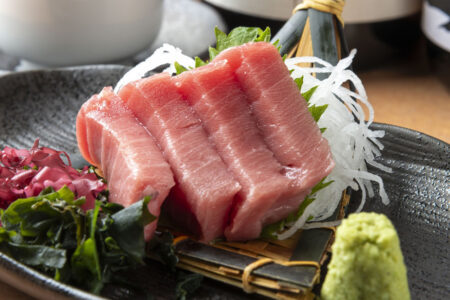
Tuna sashimi, commonly called maguro in Japanese, is among the most recognizable forms of sashimi. Its deep red appearance, meaty texture, and distinctive flavor make it an interesting starting point when comparing different fish.
However, tuna is not a single, uniform sashimi experience. Different species and cuts can taste noticeably different.
Bluefin tuna, for example, is associated with several cuts that vary in fat content. Leaner portions, commonly called akami, offer a more pronounced tuna flavor and a firmer bite. Fatty portions, including chutoro and otoro, have a richer mouthfeel.
Yellowfin tuna is another species used for sashimi. According to NOAA Fisheries, yellowfin has a mild, meaty flavor and a firm texture.
If you prefer seafood that feels substantial rather than especially delicate, tuna is worth exploring.
You may also notice that its color varies between species and cuts. Color can contribute to presentation, but it should never be treated as a stand-alone measure of freshness or food safety.
3. Salmon: A Rich and Familiar Favorite
Salmon sashimi, known as sake or shake in Japanese culinary contexts, is widely recognized for its orange appearance and visible streaks of fat.
Its flavor is generally mild yet rich, making it approachable if you are still getting familiar with raw seafood. Compared with lean tuna, salmon often feels softer and more buttery because of its fat content.
The natural richness also changes how you experience each bite. Rather than delivering a particularly firm chew, salmon tends to have a smooth texture that makes its flavor linger.
Although salmon is common in contemporary sashimi dining, its widespread use as raw sashimi in Japan is a more recent development than that of several traditional fish selections.
If you are comparing salmon with tuna for the first time, consider how each feels rather than focusing only on taste. Tuna can offer a meatier bite, while salmon generally delivers a softer, richer sensation.
Neither is automatically the better choice. Your preference depends on whether you enjoy a firmer texture or a more pronounced buttery mouthfeel.
As with other raw fish, salmon must be sourced and handled specifically for its intended preparation.
4. Yellowtail: A Balance of Flavor and Texture
Yellowtail sashimi is appreciated for its combination of mild sweetness, satisfying texture, and varying degrees of richness.
You may encounter the Japanese names hamachi and buri. These terms are associated with Japanese amberjack, with naming conventions influenced by the fish’s growth stage and regional culinary usage.
Yellowtail is sometimes confused with yellowfin tuna because their English names sound similar. They are different fish with different characteristics.
Compared with salmon, yellowtail can offer a firmer bite while still providing a pleasantly rich sensation. Its flavor is generally less pronounced than that of some stronger-tasting fish, which makes it useful when exploring seafood beyond your usual choices.
Fat content can vary, so one yellowtail selection may feel noticeably richer than another.
This is part of what makes tasting sashimi interesting. Even when you recognize a familiar fish name, the actual eating experience may change depending on the specific selection and cut.
If you enjoy salmon but want to try something with a slightly different texture, yellowtail provides a useful point of comparison.
5. Sea Bream: A Delicate White Fish Option
Sea bream sashimi, commonly associated with the Japanese name tai, offers a different experience from the richer, more familiar red and orange fish.
Instead of a buttery texture, sea bream is generally appreciated for its delicate flavor and relatively firm flesh.
Its appearance is usually pale, sometimes with a slightly translucent quality depending on the species and preparation. Because the flavor is subtle, the way the fish is sliced can make a noticeable difference to how it feels when eaten.
Sea bream also has an established place in Japanese food culture.
A publication from Japan’s Ministry of Agriculture, Forestry and Fisheries identifies sea bream among the fish traditionally enjoyed as sashimi, alongside several other species.
If you usually choose salmon or tuna, sea bream can introduce you to a lighter flavor profile without relying on strong seasonings.
It is also a reminder that sashimi is not defined by richness alone. Some selections are appreciated precisely because their flavors are restrained, allowing you to notice smaller differences in texture and taste.
6. Flounder: A Mild Choice with a Distinct Texture
Flounder sashimi, known as hirame in Japanese, is another traditional white fish option.
At first glance, it may appear similar to other pale sashimi selections. However, its texture gives it a distinct identity.
Flounder is generally mild, with a firmer, more delicate bite than fatty fish such as salmon. Depending on the cut and preparation, it may also have a subtle sweetness.
Because its flavor is understated, flounder can be particularly interesting when you want to pay attention to texture rather than pronounced richness.
You may notice that it requires a little more chewing than softer sashimi varieties. This is not necessarily a sign of toughness. Different species naturally have different muscle structures, which contribute to their characteristic mouthfeel.
For someone accustomed to tuna and salmon, trying flounder can broaden their understanding of what sashimi offers.
Rather than expecting every slice to feel soft or buttery, you begin to recognize how firmness, delicacy, and subtle flavor can be equally important parts of the experience.
7. Other Common Sashimi Fish Worth Knowing
Tuna, salmon, yellowtail, sea bream, and flounder are only part of the broader world of sashimi.
Traditional Japanese seafood includes several additional fish that offer different flavors and textures. Some are more commonly associated with particular seasons or preparation methods, while others may be less familiar to diners exploring sashimi for the first time.
Here are a few examples worth recognizing:
Bonito (katsuo): A fish with a more pronounced flavor. It is also commonly enjoyed in preparations such as tataki, where the exterior is briefly seared.
Horse mackerel (aji): Known for its distinctive flavor and a texture that differs from richer fish.
Mackerel (saba): A flavorful, oil-rich fish that is often served after an appropriate curing preparation rather than simply sliced raw.
Sardine (iwashi): A smaller, oily fish with a comparatively assertive taste.
These examples show that sashimi extends beyond a few familiar menu selections.
The varieties associated with Japanese cuisine have also developed through fishing practices, local food traditions, and access to different marine species.
If you are interested in that cultural connection, exploring how fishing traditions have shaped Japanese seafood cuisine adds another perspective to the foods you encounter today.
8. How Different Types of Sashimi Compare
When exploring different types of sashimi, one of the most useful approaches is to compare the fish according to flavor and texture.
You do not need extensive seafood knowledge to notice these differences. Simply paying attention to each bite can help you identify what you enjoy.
For example, tuna may feel meaty and substantial, while salmon tends to offer a softer, richer experience. Yellowtail falls into another category, balancing mild flavor with a satisfying bite.
White fish such as sea bream and flounder generally provide a more delicate experience, although their individual textures are not identical.
Here is a simple comparison of common selections:
| Fish | General Flavor | Typical Texture |
|---|---|---|
| Tuna | Mild to pronounced, depending on species and cut | Meaty, ranging from firm to richly fatty |
| Salmon | Mild and rich | Soft and buttery |
| Yellowtail | Mild, slightly sweet, and sometimes rich | Smooth with a satisfying bite |
| Sea bream | Delicate and subtle | Relatively firm |
| Flounder | Mild with subtle sweetness | Delicate but pleasantly firm |
These descriptions are general guides rather than fixed rules. Species, fat content, cut, and preparation can change how an individual serving tastes.
The main takeaway is that variety matters. Trying contrasting fish can reveal differences that are harder to notice when you eat only one type.
9. How Fish Selection Influences the Sashimi Experience
The fish you choose is only one part of the overall sashimi experience.
A thoughtfully arranged plate can make it easier to appreciate differences between species, especially when several selections are served together.
For example, you might begin with a mild white fish before moving toward richer salmon or a more pronounced tuna selection. This approach can help you notice delicate flavors before experiencing stronger ones.
There is no universal tasting order that everyone must follow. Your personal preferences matter, and you can explore the selections in whichever sequence makes the most sense to you.
Presentation also contributes to the experience. The spacing of the slices, their thickness, and the accompanying ingredients can affect how you approach the plate.
If you are curious about how different selections may appear together, reading more about exploring a freshly prepared sashimi selection can provide additional context.
Remember that an attractive presentation does not establish raw seafood safety. Appropriate sourcing, storage, and handling remain essential regardless of how appealing the finished plate looks.
10. What to Consider When Exploring Different Fish
Trying unfamiliar sashimi does not need to feel complicated. A little curiosity and an understanding of your preferences can make the experience more enjoyable.
Start by thinking about the seafood you already like.
Do you prefer rich flavors or something lighter? Do you enjoy a firm bite, or are you more interested in softer textures? These questions can help you narrow down your choices without assuming that one fish is universally preferable.
If you enjoy salmon, for example, yellowtail may be an interesting comparison. If you prefer leaner tuna, exploring sea bream or flounder can introduce you to a different kind of delicacy.
It also helps to remember that Japanese names do not always correspond neatly to a single English market name. When you are unsure about a particular selection, asking which species is being served can make the description more meaningful.
For raw seafood, appropriate handling is more important than a general marketing label or appearance. If you have concerns about sourcing, preparation, allergies, or whether a particular item is suitable for you, ask before eating.
You can appreciate sashimi without trying every available variety. Exploring a few contrasting selections and noticing their individual characteristics is already a useful way to develop your preferences.
11. Frequently Asked Questions
What fish is most commonly used for sashimi?
Tuna and salmon are among the most recognizable contemporary sashimi choices. Yellowtail is also familiar on many menus, while traditional selections include fish such as sea bream, flounder, bonito, and horse mackerel. Availability varies according to sourcing, regional traditions, and the individual menu.
What is the difference between tuna and salmon sashimi?
Tuna generally has a meatier texture, although fatty cuts can be exceptionally rich. Salmon is typically softer and has a buttery mouthfeel. Their flavor and texture also depend on the species, specific cut, and preparation.
Which sashimi fish has the mildest flavor?
Sea bream and flounder are commonly appreciated for their delicate flavors. However, mildness is subjective, and the way a particular fish tastes can vary with its species, fat content, and preparation.
Is yellowtail the same as yellowfin tuna?
No. Yellowtail and yellowfin tuna are different fish. Yellowtail sashimi is commonly associated with Japanese amberjack, while yellowfin is a tuna species. Their flavors, textures, and culinary characteristics differ.
Can other seafood besides fish be served as sashimi?
Yes. Sashimi is not limited to finfish. Depending on the culinary setting and appropriate sourcing and preparation, selections may include seafood such as scallops, shrimp, or squid. Each offers a different texture and eating experience.
Key Takeaways
Tuna, salmon, and yellowtail are recognizable sashimi choices, while sea bream and flounder offer more delicate alternatives.
Different fish provide different flavor profiles, textures, and levels of richness.
Japanese names can help you recognize traditional selections, although naming conventions sometimes vary.
The cut and preparation influence how sashimi tastes, not just the fish species.
Suitable sourcing and handling are essential for seafood intended to be consumed raw.
Exploring contrasting selections can help you discover which flavors and textures you enjoy.
Discover Your Favorite Sashimi Flavors
Learning about common sashimi fish can make your next dining experience more interesting. Instead of choosing only what looks familiar, you can begin recognizing the differences between rich tuna, buttery salmon, mild yellowtail, and delicate white fish.
Whether you enjoy a firmer texture or prefer something softer, understanding these characteristics gives you a useful starting point for exploring Japanese cuisine.
Curious about the available selections? Browse the Masuta Japanese Restaurant menu and discover what you might like to try next.
DISCLAIMER:
This article is intended for general educational purposes and does not provide individualized food safety or medical advice. Consuming raw or undercooked seafood carries a risk of foodborne illness, including risks associated with parasites and harmful microorganisms.
People who are pregnant, older adults, young children, individuals with weakened immune systems, and those with relevant underlying health conditions may face greater risks from raw seafood. If you are uncertain whether raw seafood is appropriate for you, consult a qualified healthcare professional.
Seafood appearance, color, and taste alone cannot confirm that it is safe for raw consumption.